

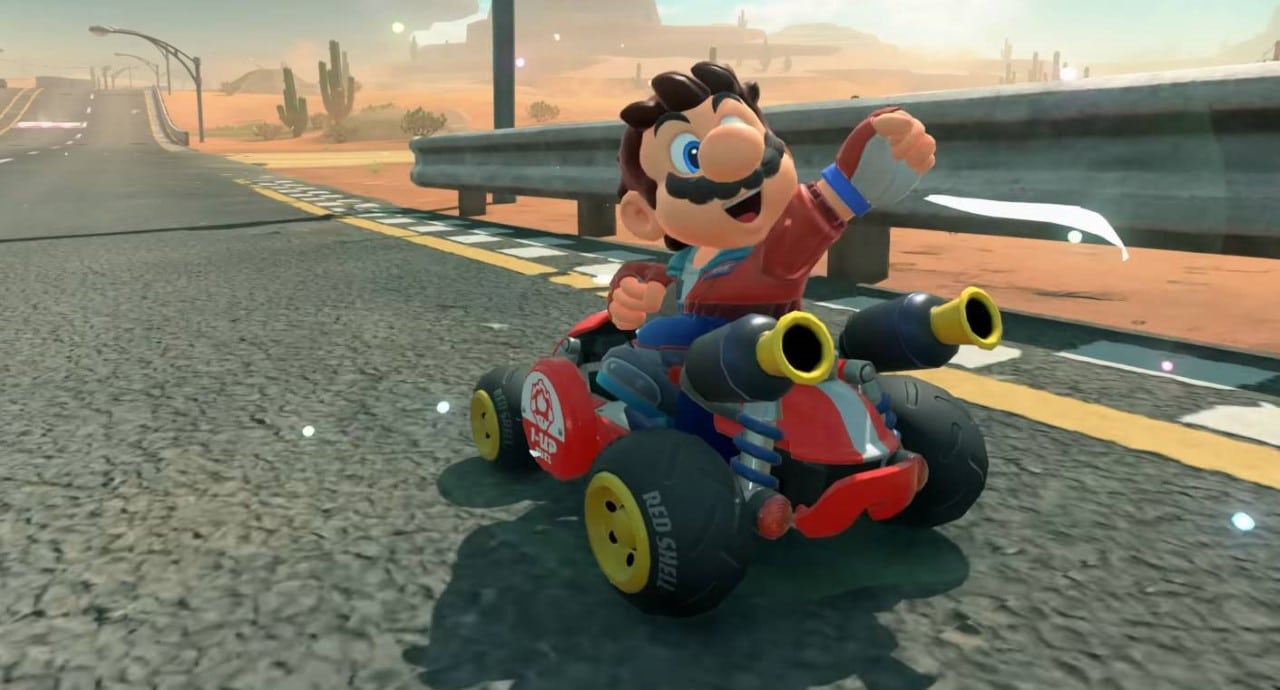
Retro racing enthusiasts now have an unprecedented opportunity to revisit one of the biggest hits of the 1990s, but the newness requires a strong stomach. A recent modification, made available in the digital environment in early August 2026, adapts Nintendo’s iconic title to virtual reality (VR) format. This unprecedented immersion places the user directly in the driver’s seat, drastically intensifying the perception of speed and bumps on the track, a factor that has generated reports of motion sickness, known scientifically as motion sickness, due to the sensory conflict between vision and the maze.
Developer recreates the visual perspective of classic races
This camera change completely redefines the experience with the famous game originally released in 1996 for the 64-bit console. The technical work was signed by the programmer known as RaYRoD TV, a name already familiar in the community for converting works such as Star Fox 64 and Banjo-Kazooie for immersive platforms. Using as a base an adaptation for computers called SpaghettiKart, the project gained traction after being shared on the social network X by the profile BeardoBenjo. By abandoning the traditional camera positioned behind the character, the system inserts the virtual driver inside the vehicle, radically altering the dynamics of navigating the tracks.
Head tracking intensifies speed and nausea risks
In the images published by user BeardoBenjo, it is possible to observe the path of the Koopa Troopa Beach phase from a first-person perspective, where each player’s movement is monitored by the sensors of the VR glasses. The section that crosses the cave shortcut, in particular, was identified as a quick trigger for gastric discomfort. Even with the polygonal graphics characteristic of that generation maintaining its rustic style, the transition to the internal view creates an illusion of extreme acceleration that the original camera was never able to convey. Several testers stated that the mechanics don’t just feel like a race, but rather a simulation of free fall at high speed through the sands of the scenario.
Learn more: Gamers create tool that turns off the PC and prevents the RTX 5090 from burning
Step by step and technical requirements to run the modification on the computer
Gamers who want to test their physical limits can find the necessary files for free on the GitHub platform. However, execution requires that the individual possess a legalized digital copy of the title, extracted directly from an authentic cartridge, thus guaranteeing compliance with intellectual property regulations. In addition to enabling compatibility with the main virtual reality glasses on the PC market, the installation package adds an exclusive settings panel for the immersive format.
On the same topic: PS5 owners gain permanent access to two major titles in the virtual store
- Stereo depth adjustment, which calibrates the three-dimensional perception of objects on the track.
- Eye height control, allowing you to adapt vision to different character sizes.
- Customization of the information panel (HUD), which allows the map and speedometer to move around the screen.
Japanese manufacturer’s history with visual immersion technologies
The independent creation sheds light on a sector that the franchise owner herself explored with extreme caution for decades. Historically, the Asian company has kept its distance from the virtual reality segment, with the exception of the ill-fated attempt with the Virtual Boy in the 1990s and the Nintendo Labo cardboard experiences in recent years. The old table console with a red and black display became one of the brand’s biggest financial missteps, being widely criticized for causing severe headaches and extreme eye strain. The initiative with Labo, despite being colorful and functional, focused only on children and playful installations, without representing a definitive investment in the immersive glasses market.
Given this absence of official products, the work of the modding community gains considerable weight in the preservation and modernization of historical works. The unofficial adaptation fills a gap left by the industry, giving VR equipment owners the chance to face the 1996 tracks from a dizzying and updated perspective. This dedication reinforces how consumers can prolong the relevance of old software through contemporary tools. However, there is a final warning from the developers: avoid heavy meals before putting on your glasses and speeding along the polygonal asphalt.