

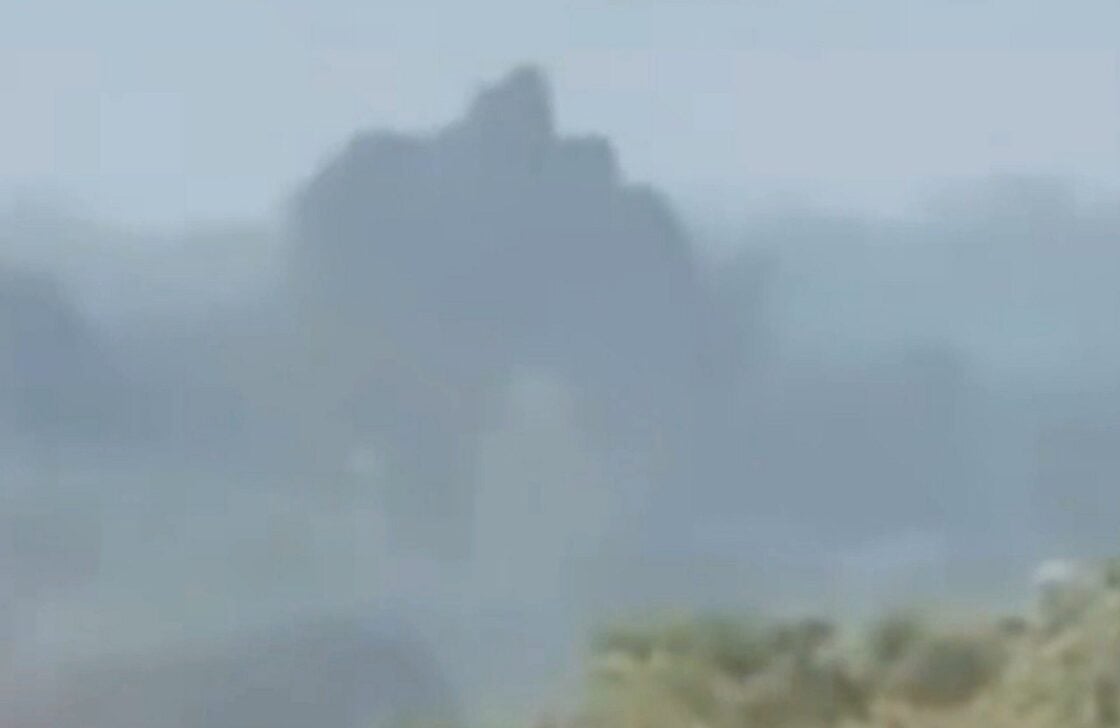
A mud volcano eruption hit the Alto Mulato region, in Urabá Antioqueño, Colombia, on August 11, 2026. The natural phenomenon triggered an emergency scenario, with initial information pointing to the existence of people trapped and several families severely impacted. Relief organizations were immediately mobilized to the scene.
The alert situation in this part of Colombia takes on an even more complex nature, considering that the country is still recovering from the effects of a strong earthquake that shook the region the day before, on August 10, 2026. The sequence of natural events intensifies the need for response and support for already fragile communities.
On the same topic: 7.4 earthquake in Colombia leads to search for 179 dead on second day
Residents report beginning of volcanic activity and concern
Residents of the Molinillo village, belonging to the Santa Catalina corregimento, were the first to report the eruptive activity of the mud volcano. They recorded images of the phenomenon, which quickly became public, amplifying concern among neighboring communities. The appearance of sludge and gases from the soil is an event that generates fear among the population, given the unpredictability of their evolution.
Local authorities are awaiting further assessment to determine the exact extent of the damage and the precise number of people affected. The main concern at this time is to ensure the safety of all residents and to initiate rescue work for those who may be in risk areas.
Mobilization of relief teams in the face of gravity
In response to the emergency, relief teams were called and are already working in the Alto Mulato sector to provide assistance. The priority is to locate and assist people who would be trapped, in addition to offering emergency support to families who lost their homes or had property damaged. The muddy terrain presents additional challenges for rescue operations, making access and movement difficult.
More on this story: Hospital in Kumamoto treats around 50 injured people, with some cases of cardiac arrest
Rapidly advancing silt can cause burials and destroy critical infrastructure, making agile response essential. The specific nature of a mud volcano, which spews a mixture of water, clay and gas rather than incandescent lava, still poses a considerable threat of suffocation and structural collapse of buildings.
Community impact and need for support
The local community of Urabá Antioqueño, already known for its resilience in the face of diverse geographic challenges, now faces the double impact of a natural disaster following the previous day’s tremor. The attention of emergency teams turns not only to immediately containing the effects of the eruption, but also to planning humanitarian aid and long-term reconstruction.
It is expected that a more detailed assessment of the situation will be released in the coming hours, as teams are able to access all affected areas and carry out the necessary surveys. Effective coordination between different government and relief agencies will be crucial to mitigate the impacts of this series of natural events in Colombia.