
Research shows how a lack of fiber leads intestinal bacteria to attack the body
A recent study points out that a lack of fiber in the diet can lead bacteria present in the intestine to damage the body itself. The discovery reveals a new perspective on the fundamental importance of diet for digestive and general health, reinforcing warnings from experts about the risks of poor nutrition.
The absence of essential nutrients, such as fiber, deprives the intestinal microbiota of its main source of food. When this occurs, beneficial and pathogenic microorganisms begin to seek other forms of subsistence, resulting in a direct attack on the cells lining the intestine.
This phenomenon causes the degradation of the protective mucus layer, which functions as a physical barrier against harmful agents and inflammation. The integrity of this barrier is crucial to prevent unwanted toxins and bacteria from passing into the bloodstream, triggering systemic immune responses.
Understand the importance of fiber for the body
Dietary fibers are complex carbohydrates that are not digested by the human body but play a vital role in health. They are divided into soluble, which dissolve in water and form a gel, and insoluble, which add volume to the fecal cake.
Both categories are crucial for the optimal functioning of the digestive system. Fiber helps regulate intestinal transit, prevent constipation and promote a feeling of satiety, helping to control weight and prevent chronic diseases, such as type 2 diabetes and cardiovascular diseases. Furthermore, they serve as food for the beneficial bacteria in the intestine, contributing to a balanced microbiota.
Full coverage: Latest News (EN)

How much fiber is recommended daily for adults
The recommended daily fiber intake for adults varies depending on age, gender and level of physical activity. Generally, nutritionists and health bodies recommend around 25 to 38 grams of fiber per day to maintain intestinal health and prevent disease. Adult women, for example, should consume around 25 grams, while men need approximately 38 grams.
However, the majority of the global population does not meet this goal, which contributes to long-term health and digestive problems. Awareness of these values is the first step towards a more balanced and nutrient-rich diet. For children, the recommendation is lower, gradually increasing with age.
Foods that are excellent sources of fiber
Including a variety of fiber-rich foods in your diet is simple and affordable. The key is to diversify to get the benefits of both soluble and insoluble fiber.
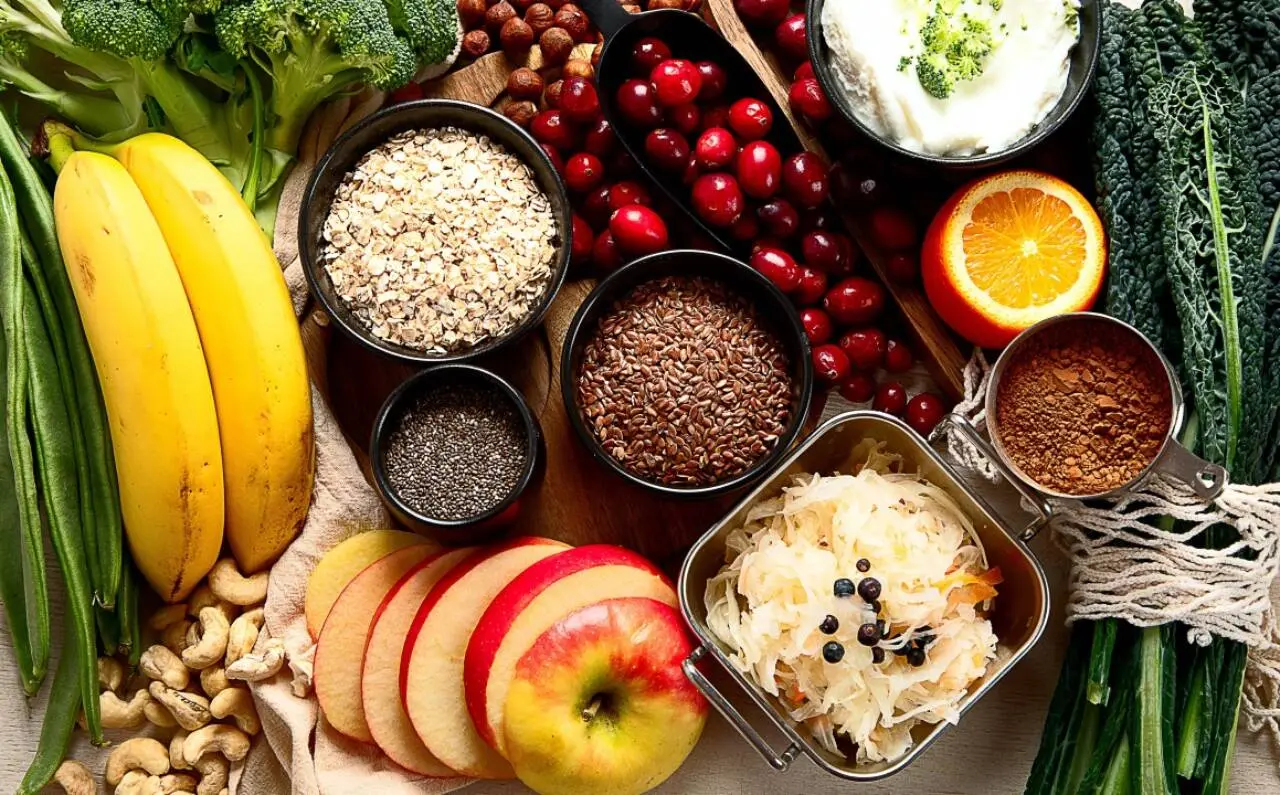
Whole grains such as oats, brown rice, whole grain bread, quinoa, corn and barley are excellent options to start the day and for main meals.
More on this story: Experts detail hidden dangers of excessive fiber consumption in the body, warn scientists
Legumes such as beans, lentils, chickpeas and peas are powerhouses of fiber and protein and can be incorporated into salads, soups, stews and main dishes.
Fresh fruits such as apple (with skin), pear (with skin), banana, berries (blueberries, raspberries, blackberries), orange (with pomace) and avocado are also essential. Consuming whole fruits, rather than juices, ensures full fiber intake.
Dark leafy vegetables such as spinach, kale, broccoli, cauliflower and artichokes, as well as other vegetables such as carrots, sweet potatoes, zucchini and beets, provide large amounts of fiber.
Seeds and oilseeds such as flaxseed, chia, almonds, chestnuts and walnuts are great snacks and complements to various recipes, adding fiber and healthy fats.
Consequences of low fiber intake in the intestine
When the diet lacks fiber, the consequences for the intestine are severe and progressive. The intestinal flora, deprived of its favorite food (prebiotic fibers), begins to feed on mucin, which makes up the protective layer of the intestine. This layer is the first line of defense against pathogenic bacteria and toxins.
This erosion of the mucus barrier directly exposes the intestinal epithelial cells to toxins and bacteria. The result is an increase in intestinal permeability, known as “leaky gut”, which facilitates the entry of unwanted substances into the bloodstream.
Learn more: New technique in the intestine prevents weight gain after pausing the use of weight loss medications
Increased intestinal permeability can trigger chronic inflammation in other parts of the body, affecting the immune system and contributing to the development of various conditions. These include allergies, autoimmune diseases, metabolic problems such as insulin resistance and even mood disorders, due to the connection between the intestine and the brain.
Suggestion for a fiber-rich menu for everyday life
Adopting a dietary plan that prioritizes fiber can transform your intestinal and general health. This practical menu offers nutritious and tasty options for a whole day:
Breakfast:Oat porridge (1 cup) prepared with water or vegetable milk, with red fruits (1/2 cup of chopped blueberries or strawberries) and a tablespoon of chia seeds or ground flaxseed. Or a slice of whole grain bread (100% grain) with mashed avocado and a boiled egg.
Morning snack:A medium apple with skin and a handful (about 30g) of almonds or walnuts. Alternatively, a natural unsweetened yogurt with 2 tablespoons of homemade granola (rich in oats and seeds).
Lunch:Large salad with mixed green leaves (lettuce, arugula, spinach), 1/2 cup of chickpeas or lentils, cucumber, tomato, grated carrot and 1 tablespoon of pumpkin seeds. Brown rice (1/2 cup cooked) and grilled chicken fillet or baked fish.
Follow: all about bactéria
Afternoon snack:Carrot and cucumber sticks with hummus (3 tablespoons). Or an unpeeled pear and some Brazil nuts. A practical option is seasonal fruit.
To have lunch:Assorted vegetable soup (broccoli, cauliflower, zucchini, green beans, pumpkin) with a piece of wholemeal bread. Or a plate with roasted sweet potatoes (1 medium unit), steamed broccoli and a piece of grilled salmon or tofu.
Supper (optional):A small glass of natural yogurt with a pinch of cinnamon.
The conscious inclusion of fiber in your diet is a direct investment in intestinal health and disease prevention. Small changes in eating habits can generate great benefits, promoting lasting well-being and protecting the body from internal attacks caused by nutritional deficiencies.
More news in Latest News (EN)
See more → German racer Michael Schumacher remains secluded 12 years laterMenendez brothers granted earlier 2027 parole hearing, reigniting debate over high-profile caseAlaskan cruise dreams shattered as technical woes force abrupt cancellation for hundreds of passengersIndiana farm manager affirms dedication to controversial Charlie Kirk corn maze despite widespread public backlashBeijing injects $53.6 billion into key financial institutions to bolster economic stabilityBureau warns record El Niño will intensify drought, driving up Australian food pricesUK poised to implement trade restrictions on Israeli West Bank settlements amid rising international concern
 Apple prepares iOS 27 with contextual Siri and visual search
 Chinese leaks reveal Xiaomi 18 Fold panel reaches 4,000 nitsXiaomi 18 Fold display reaches 4,000 nits peak brightnessApple redesigns iOS 27 with upgraded Siri and camera search
More news on Mix Vale
- 1AfD electoral win in Saxony-Anhalt faces governance hurdles, minor party crucial
- 2Austin Reaves enjoys Labor Day weekend after pivotal Lakers contract, poised for leadership
- 3Quieter Russian nuclear submarines heighten NATO’s Arctic defense concerns, alliance boosts northern presence
- 4NTSB confirms Amazon cargo jet crew survived Miami crash, five dead and five injured in runway overrun incident
- 5Final Fantasy VII trilogy bundle hits Japan for 500 dollars
- 6Capcom classics and Mycopunk arrive on PlayStation Plus tiers
- 7Dino Crisis 2 leads fresh wave of PlayStation Plus games
- 8Trilogy pack for Final Fantasy VII arrives in Japan for $500
- 9Ten classic PlayStation 2 titles that deserve full remakes
- 10Classic PlayStation 2 games demand complete modern revivals