
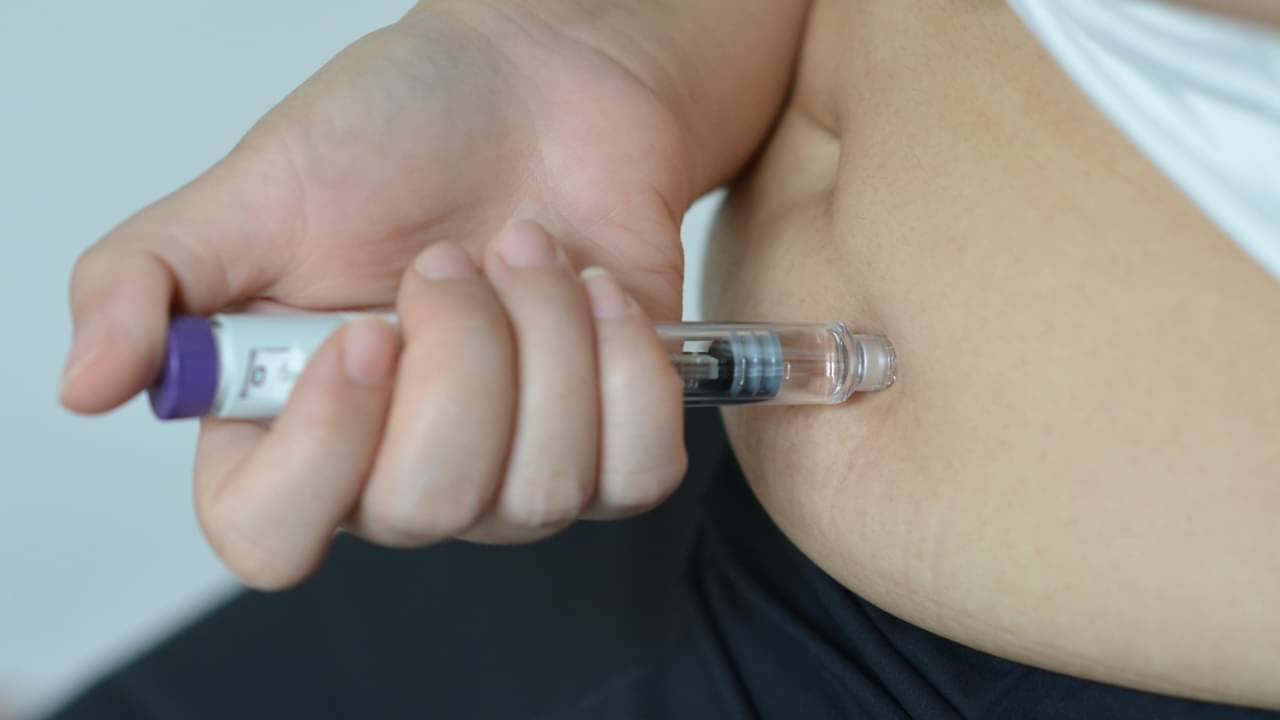
Brazil’s health regulatory agency Anvisa has opened an investigation into 13 notifications of suspected non-arteritic anterior ischemic optic neuropathy, known as NAION, in patients treated with glucagon-like peptide-1 receptor agonists. The condition is an uncommon and severe optic nerve disorder that can trigger irreversible loss of sight in one eye, primarily recorded among individuals prescribed formulations for type 2 diabetes and clinical weight management.
The regulatory inquiry follows adverse event filings submitted through the national pharmacovigilance surveillance database, which collects voluntary alerts from medical practitioners, treated individuals and pharmaceutical manufacturers. Anvisa stressed that all recorded cases are categorized as suspected events, noting that the presence of a medication and a medical diagnosis on the same notification sheet does not confirm direct biological cause and effect.

Distribution of GLP-1 notifications across pharmaceutical brands
Data registered in the Anvisa pharmacovigilance system indicate that 12 of the 13 notifications involve semaglutide, the active substance produced by Novo Nordisk, while one case involves tirzepatide, the dual-action molecule manufactured by Eli Lilly. The agency maintains ongoing clinical surveillance to verify whether pharmacological mechanisms contributed to the vascular occlusions reported by treating ophthalmologists.
Follow: With an eye on Ozempic users, Nestlé creates a line of nutritional products
A breakdown of the specific commercial presentations documented in the federal database reveals the following distribution among reported cases:
- Ozempic: 5 notifications
- Wegovy: 3 notifications
- Wegovy FlexTouch: 2 notifications
- Rybelsus: 2 notifications
- Mounjaro: 1 notification
Since 2018, Anvisa has recorded a total of 24 suspected cases of ischemic optic neuropathy across all therapeutic drug classes in its general registry. The remaining 11 cases recorded outside the GLP-1 group involved immunomodulators, antineoplastic oncology therapies, ophthalmic preparations and other classes of antidiabetic agents, showing that vascular interruptions in the eye occur across multiple patient profiles.
Medical mechanism of NAION and underlying vascular factors
Non-arteritic anterior ischemic optic neuropathy operates through a sudden restriction of microvascular blood supply to the anterior section of the optic nerve, which carries visual signals from the retina to the brain. When local microcirculation is obstructed, cellular tissue is starved of oxygen and vital nutrients, leading to rapid nerve fiber necrosis. The resulting deterioration in visual acuity typically presents abruptly upon waking, often without ocular pain, and frequently leaves permanent central or peripheral field deficits.
Evaluating clinical causality remains complex because patients prescribed GLP-1 receptor agonists frequently present chronic vascular conditions that independently elevate the probability of optic nerve ischemia. Longstanding diabetes damages the vascular endothelium, the inner layer of endothelial cells lining blood vessels, reducing elasticity and predisposing individuals to microvascular damage comparable to diabetic retinopathy, nephropathy and peripheral neuropathy.
“Essa é uma doença rara, mas que a gente tem em alguns pacientes com doenças preexistentes como é o caso da diabetes. Esse tipo de paciente já tem a doença atacando seus vasos, trazendo mais risco. Com isso, fica difícil saber se esse paciente já teria a doença pelo quadro dele ou se ele tem porque está usando o medicamento,” said ophthalmologist Rubens Belfort Neto.
Additional visual disturbances registered in the federal database
Beyond the 13 specific NAION alerts, the Anvisa pharmacovigilance repository includes 74 reports detailing other visual complaints among individuals taking GLP-1 class medications. These reports cover patients treated with Rybelsus, which registered 22 events, Wegovy with 19, Mounjaro with 17, and Ozempic with 16 filings, reflecting a broad range of ocular symptoms experienced during active treatment.
The most recurring symptom recorded in the monitoring platform is blurred vision, accounting for 37 entries, followed by general visual impairment with 29 entries. The database also documents individual episodes of reduced visual acuity, loss of central visual fields, sudden vision loss and specific localized field deficits. Because an individual clinical report can list multiple concurrent symptoms, the number of recorded events exceeds the total count of individual patients.
Medical evaluations emphasize that blurred vision and transient refractive fluctuations are common clinical complaints that arise from shifting blood sugar concentrations rather than direct drug toxicity. When glycemic levels drop rapidly following the start of an effective antidiabetic regimen, osmotic shifts alter the shape of the crystalline lens, causing temporary focusing difficulties that resolve as glucose measurements stabilize.
Regulatory history, observational research and international litigation
Regulatory scrutiny regarding semaglutide and ocular microvascular risks expanded on Thursday, June 12, 2025, at 10:58 BRT, when Anvisa issued a formal health alert instructing pharmaceutical companies to include NAION in the packaging inserts of semaglutide products as a very rare adverse reaction. The administrative measure established mandatory documentation for healthcare providers without withdrawing the commercial distribution licenses of the therapies.
Scientific attention gained global traction following a July 2024 observational study published in the medical journal JAMA Ophthalmology. Analyzing medical records from over 1,600 individuals, the authors identified an increased relative risk of NAION among patients prescribed semaglutide compared to those receiving alternative treatments for diabetes or weight control. However, the study researchers explicitly acknowledged methodological limitations, highlighting that retrospective data could not prove a causal relationship due to confounding comorbidities.
Legal scrutiny increased in September 2026, when patients in the United States initiated civil lawsuits against Novo Nordisk alleging irreversible blindness caused by NAION, legal actions that were detailed in coverage by The Wall Street Journal. The lawsuits assert that product labels should have contained earlier warnings regarding potential optic nerve complications.
Pharmaceutical industry positions and clinical recommendations
Novo Nordisk stated that its clinical trial programs, comprising extensive randomized, placebo-controlled evaluations with liraglutide and semaglutide representing over 83,000 patient-years of observation in the semaglutide arm, revealed an extremely low number of ophthalmologist-confirmed NAION occurrences. The manufacturer noted that statistical assessments showed the incidence of NAION did not differ significantly between individuals receiving semaglutide and those receiving a placebo, maintaining that total commercial exposure spanning over 49 million patient-years continues to demonstrate a favorable benefit-risk profile.
Eli Lilly stated that patient safety remains its operational priority, emphasizing that the company continuously tracks, analyzes and forwards adverse safety data to national regulatory authorities. The company confirmed ongoing consultations with regulatory agencies concerning potential safety signals, including ophthalmic developments, and advised anyone experiencing adverse symptoms while using Lilly therapies to seek prompt evaluation from an attending physician.
Specialized medical associations recommend that patients who have previously been diagnosed with NAION or who develop sudden visual impairment discontinue the medication under medical guidance. Diabetic patients undergoing GLP-1 therapy should maintain scheduled retinal examinations, particularly when managing longstanding disease. Experts emphasize that patients should avoid obtaining these medications without formal medical supervision for cosmetic weight reduction.
“É nesse grupo que a conta entre risco e benefício deixa de fechar: quem não tem uma doença a tratar assume os efeitos adversos do remédio, ainda que raros, sem ganho equivalente para a saúde,” said Belfort Neto.
Scientific and regulatory authorities have not confirmed a direct biological link establishing that GLP-1 receptor agonists cause non-arteritic anterior ischemic optic neuropathy. Anvisa continues to analyze the 13 clinical dossiers alongside global pharmacovigilance networks to determine whether additional regulatory actions or updated clinical advisories are required.