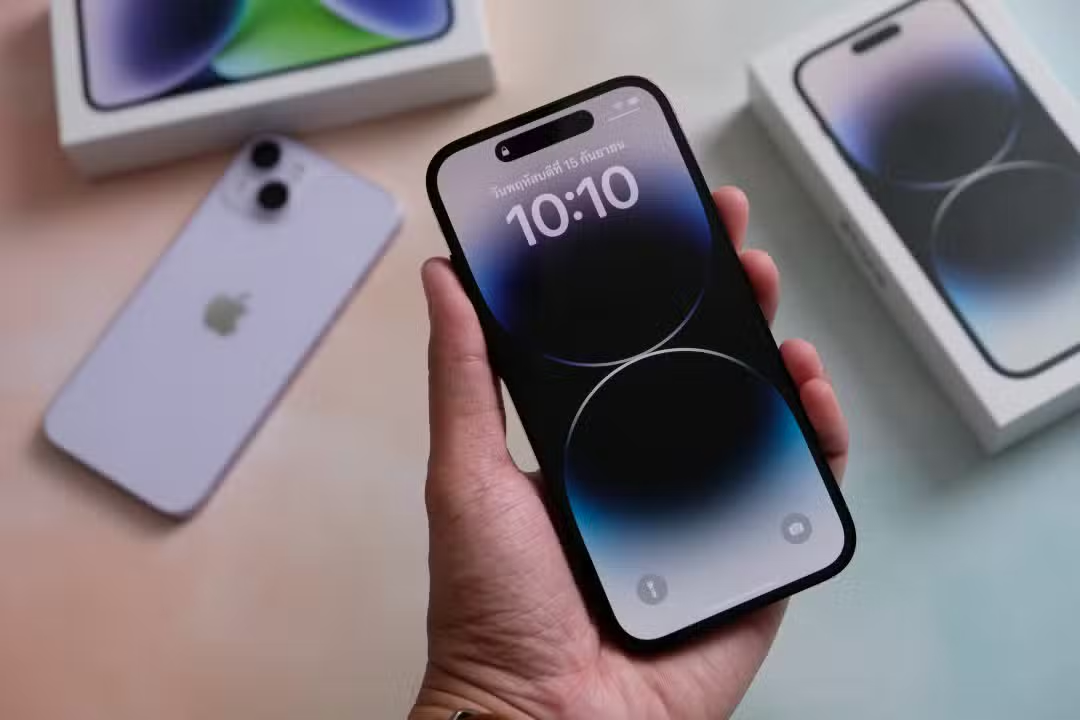
Official storefronts managed by Apple removed the iPhone 14, iPhone 14 Plus, and third-generation iPhone SE from global manufacturing lines, adjusting consumer availability across retail operations as of September 28, 2026. The shift directs market demand toward devices capable of executing machine learning tasks under the Apple Intelligence architecture. Flagship releases such as the iPhone 16 family and subsequent hardware generations established baseline processing requirements that older component designs can no longer satisfy.
Production cycles for the iPhone 14 and its larger Plus variant began in 2022, introducing camera sensor updates and emergency satellite messaging powered by the A15 Bionic chip. The third-generation iPhone SE arrived in the same calendar window, offering compact dimensions and a physical Home button with Touch ID authentication. Operating systems demand greater memory bandwidth, prompting hardware transitions across markets where entry-tier units previously commanded large sales volumes.

Hardware catalog revisions happen systematically across Apple product cycles as outdated component sourcing winds down. With an active global install base surpassing 1.2 billion smartphones, retiring earlier generations clears manufacturing capacity for newer designs and ensures component suppliers focus on modern assembly standards.
Hardware gaps accelerate departure of older chipsets
Technological requirements established by newer operating systems left the retired handsets behind modern baseline specifications. Successive generations introduced universal USB-C ports, Dynamic Island interfaces, and neural engines optimized for local processing workloads. The third-generation iPhone SE relied on a single rear sensor and an older display design, lacking the multi-lens versatility and thermal management built into contemporary releases.
Concentrating retail distribution on modern hardware simplifies software optimization and long-term security engineering. Market metrics indicate that roughly 70 percent of iPhone owners operate hardware released within the previous three years. Phasing out older chassis configurations frees assembly lines for thinner device profiles, including streamlined chassis variants designed around optimized thermal envelopes.
Software support continues across multiyear update window
Hardware retirement does not interrupt daily operation for consumers who currently possess these smartphones. Official service policies maintain operating system upgrades and patches for approximately five years following the commercial launch of a device. Handsets running on the A15 Bionic architecture remain compatible through iOS 20 and iOS 21 cycles before transitions limit full feature availability.
Replacement devices range from entry hardware to Pro flagships
Consumers looking to upgrade from retired handsets find diverse alternatives within the remaining catalog. Standard editions of the iPhone 15 provide 48-megapixel imaging sensors and improved power regulation over earlier platforms. Users seeking higher screen refresh rates and advanced processing turn toward Pro models featuring 120 Hz ProMotion panels alongside A-series Pro chips.
Secondary marketplaces and certified refurbishment outlets handle extensive inventories of earlier hardware. Resale data shows the iPhone 14 accounted for 15 percent of used smartphone transactions worldwide, retaining broad consumer demand. Shoppers seeking brand-new hardware at lower entry pricing utilize the iPhone 16e, which pairs the A18 processor with modern software capabilities.
Trade-in trade credit structures provide direct deductions when trading aging units toward contemporary devices. Evaluation scales assign credit values reaching up to $235 for functional hardware in good condition, allowing owners to offset the acquisition cost of current inventory.
Phased service timeline outlines final operational milestones
Hardware support trajectories adhere to standardized lifecycle milestones established across previous hardware generations:
- Manufacturing and direct retail inventory distribution concluded across corporate stores.
- System software updates continue delivering new interface features through upcoming operating system cycles.
- Security maintenance transitions into critical bug mitigation schedules through 2028 before full obsolescence protocols apply.
This structured progression allows consumers sufficient runway to evaluate replacement hardware while maintaining daily productivity. Routine system updates preserve encrypted communications and system stability during the remaining maintenance window.
Learn more: Apple tests AutoLock in new iOS beta to freeze stolen iPhones
Supply chains and accessory makers pivot after portfolio shift
Downstream commerce feels the impact of catalog retirements across multiple manufacturing sectors. Protective case manufacturers, screen protector suppliers, and peripheral makers reduce fabrication quotas for older physical footprints. Historical market reactions observed during the retirement of the iPhone 13 generated a 20 percent surge in secondary trade volume, creating parallel opportunities for refurbishing operations.
Corporate earnings reports demonstrate that premium models drive significant portions of corporate revenue, with Pro tiers generating approximately 60 percent of smartphone income. Apple captured an estimated 20 percent share of global smartphone volume, steering consumers toward modern silicon to maintain revenue density. Independent repair businesses and regional electronics distributors adjust part inventories to match changing consumer upgrade cycles.
Maintenance steps preserve functionality during transition period
Maintaining retired devices requires deliberate operating habits to protect user data and hardware integrity:
- Install system maintenance updates promptly to maintain current network security defenses.
- Monitor battery degradation thresholds and replace depleted battery packs at certified repair providers.
- Evaluate device trade-in credit values before secondary resale pricing depreciates significantly.
Implementing basic device maintenance keeps older handsets secure and responsive throughout their supported lifespan. These precautions ensure uninterrupted utility while service components remain accessible through authorized repair channels.
Product roadmap prioritizes artificial intelligence integration
Phasing out older product lines aligns production logistics with software architectures centered on machine intelligence. Modern hardware requirements necessitate expanded random-access memory and integrated neural processing engines capable of handling generative data models. Software platforms debuted at corporate developer events emphasize local computational power, making older memory configurations obsolete.
Global shipments exceeding 300 million units over recent manufacturing cycles reflect consumer interest in faster wireless standards and improved optical sensors. Retiring obsolete generations ensures new retail purchasers receive hardware capable of running next-generation operating system capabilities.
Unified silicon architecture ties mobile hardware to connected devices
Component consolidation across the smartphone catalog mirrors structural updates taking place across personal computing lines. Tablets running M-series processors and laptops operating modern silicon share underlying architecture with current mobile devices, unifying features such as iPhone Mirroring and financial transactions across the ecosystem. Phasing out legacy hardware solidifies a unified technological baseline across the entire consumer hardware lineup.