Keeping bread in the fridge makes it stale up to 6 times faster than at room temperatureBy Manuela
5 min read
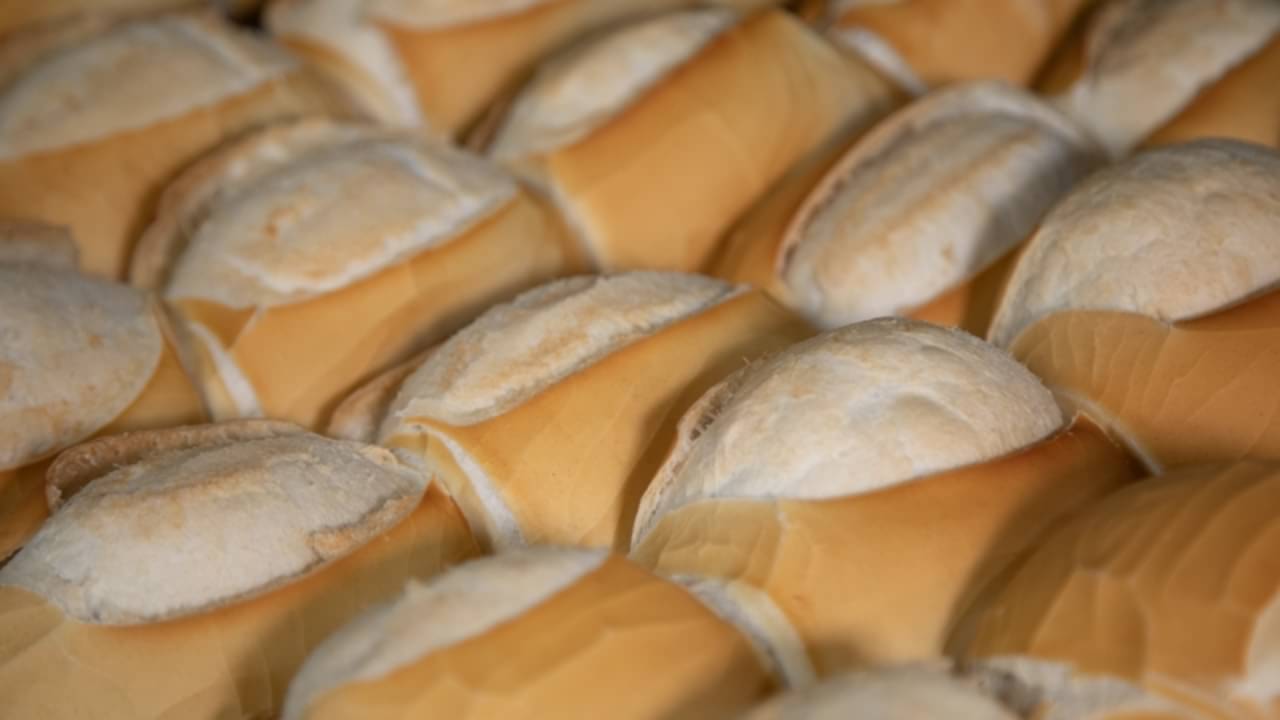 |
Bread kept in the fridge can turn stiff up to 6 times faster than bread left at room temperature, according to bakery technology manuals and food science guidelines published on October 25, 2026. Cooling slows the growth of mold, but the choice between the fridge, a plastic bag, a cloth, or the freezer changes how much water the bread keeps and how its starch structure behaves at home.
Bread loses softness in the fridge even when the package stays closed, because the cold triggers a physical and chemical reaction. “What really happens is a phenomenon called starch retrogradation. When bread cools, the molecules rearrange, pushing out water and leaving the texture firm,” said Raquel Siqueira, professor of Nutrition at Faculdade Anhanguera de Taubaté.
Why the fridge’s 0 °C to 4 °C range makes bread harden
During baking, the starch in the flour mixes with water and goes through gelatinization, a process in which the starch granules absorb liquid and leave the crumb elastic and soft. As soon as the loaf leaves the oven and begins to cool, the process reverses. The starch molecules bind together again in a firm crystalline network.
Domestic fridges typically operate between 0 °C and 4 °C, a range that speeds up this crystallization and squeezes the retained water out of the dough. The change makes bread look stale well before any sign of microbial spoilage, even when it is stored in airtight containers. The bread may seem fine to eat yet already feel dry in the mouth.
Jorge Pinho, nutritionist and professor at Centro Universitário Internacional (Uninter), described the practical effect of the appliance on everyday bread. “Most of the time, it gets in the way. The fridge temperature makes bread ‘old’ and dry much faster,” he said.
What a German lab test found about plastic, paper and cloth
The Technical University of Munich, in Germany, measured how well common wrappers protect bread outside the fridge in a study conducted in 2021. Researchers compared water loss, the speed of hardening, and mold growth in wheat and sourdough loaves kept under different covers, including plastic bags, microperforated paper, and refrigeration.
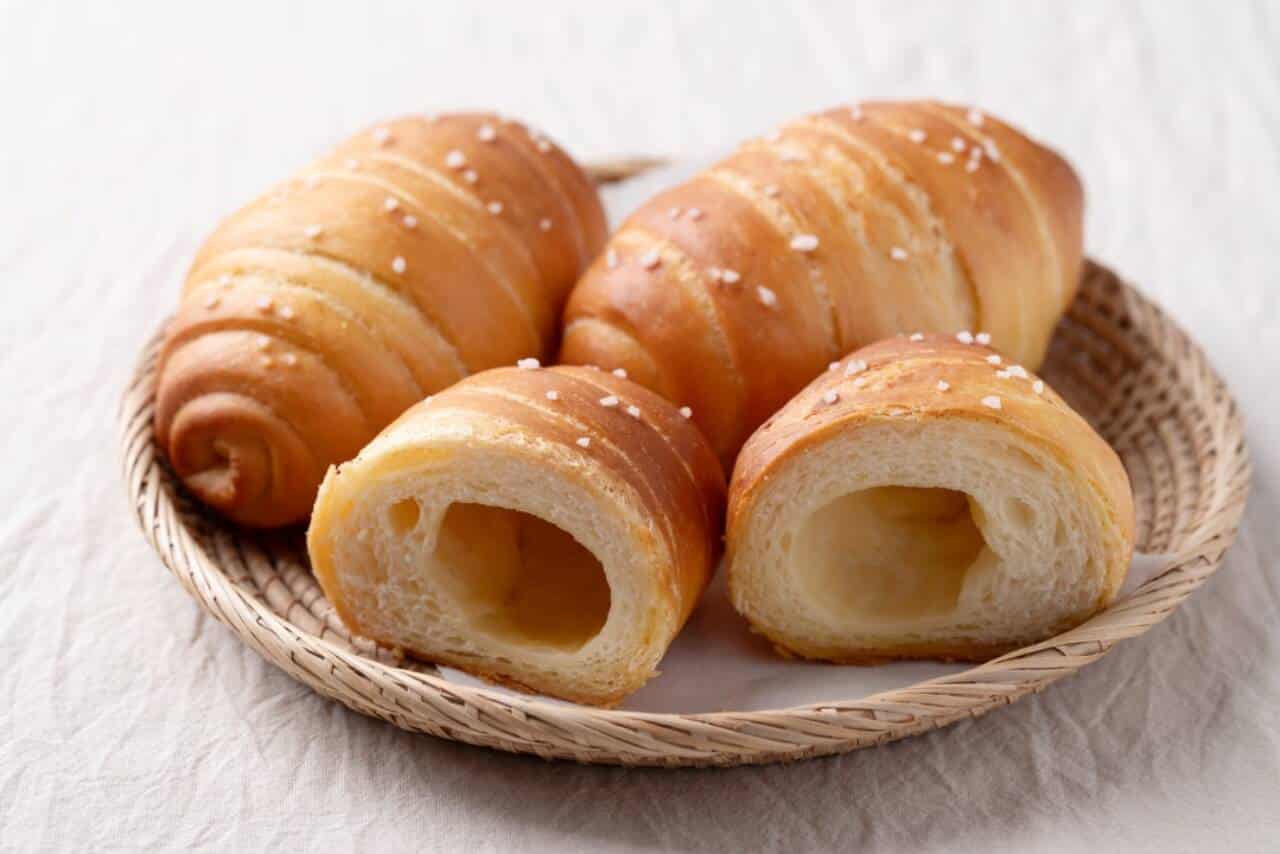
The lab results showed that samples kept in a closed plastic bag lost less water to the environment than those wrapped in microperforated paper, which helped keep the crumb soft in the short term. The advantage of plastic, however, depends on cooling the bread completely before sealing it, because warm loaves produce condensation on the inner surface of the bag.
The German team analyzed the samples under controlled conditions and noted a limitation: it is not possible to set universal shelf-life periods for every home recipe, since climate changes the result. In hot and humid kitchens, the water trapped by plastic softens the crisp crust of loaves such as French bread and creates a microenvironment that favors mold growth at room temperature.
Check out: Florida SNAP payments begin October 1 with increased food benefit rates
Wrapping bread in a clean, dry cotton cloth or a plain paper bag allows more water vapor to escape. That exchange keeps the crust firm and crunchy for more hours, but it also speeds up drying and hardening of the crumb. In this case, the cover works only as a temporary shield against dust and contact with surfaces.
Storage methods and temperatures compared
Food conservation guidelines set specific temperature and packaging conditions, depending on how soon the bread will be eaten and what it contains:
- Fast retrogradation range: between 0 °C and 4 °C inside domestic refrigerators.
- Hardening speed in the cold: dough firms up to 6 times faster in refrigeration than at room temperature.
- Closed plastic bag: suited to bread eaten soon at room temperature, and only once the bread is fully cool.
- Clean cloth or paper bag: lets vapor circulate, keeping the crust crisp in the short term, with faster loss of internal moisture.
- Home freezer: recommended for longer periods, with portions divided and wrapped in double layers or packaging made for freezing.
- Mandatory refrigeration: breads filled with perishable ingredients, such as meat or cream, must follow the safety instructions on the package.
How freezing and mold rules from USU and USDA apply at home
To avoid waste from early hardening in the fridge or mold in hot weather, Teresa Hunsaker and the guidance of the USU Extension recommend freezing. USU Extension is the outreach service of Utah State University, in the United States, which turns academic research into practical advice for the public. At sub-zero temperatures, both the rearrangement of starch molecules and the growth of microorganisms slow down at the same time.
The technical advice for the freezer is to slice the loaf or divide it into portions for daily use, then wrap them in freezer bags or in double layers, removing as much air as possible before sealing. Freezing preserves the crumb far better than the fridge does. Even so, long storage in extreme cold can gradually change the aroma, flavor, and original texture.
When bread kept in the kitchen shows spots of mold, the food safety rule prohibits eating slices that look clean or cutting away only the stained part. The Food Safety and Inspection Service of the United States Department of Agriculture (USDA), the federal agency that regulates food safety in the country, requires the whole package to be discarded.
“Porous foods can be contaminated below the surface,” the USDA said, in a free translation of its official guidance on bakery products. According to the agency, the airy structure of the crumb lets microscopic fungal roots and toxic substances called mycotoxins spread through the whole loaf before they become visible to the naked eye.