US midterm elections 2026: voters decide all 435 House seats and 35 Senate seats By Luís Henrique Costa
4 min read
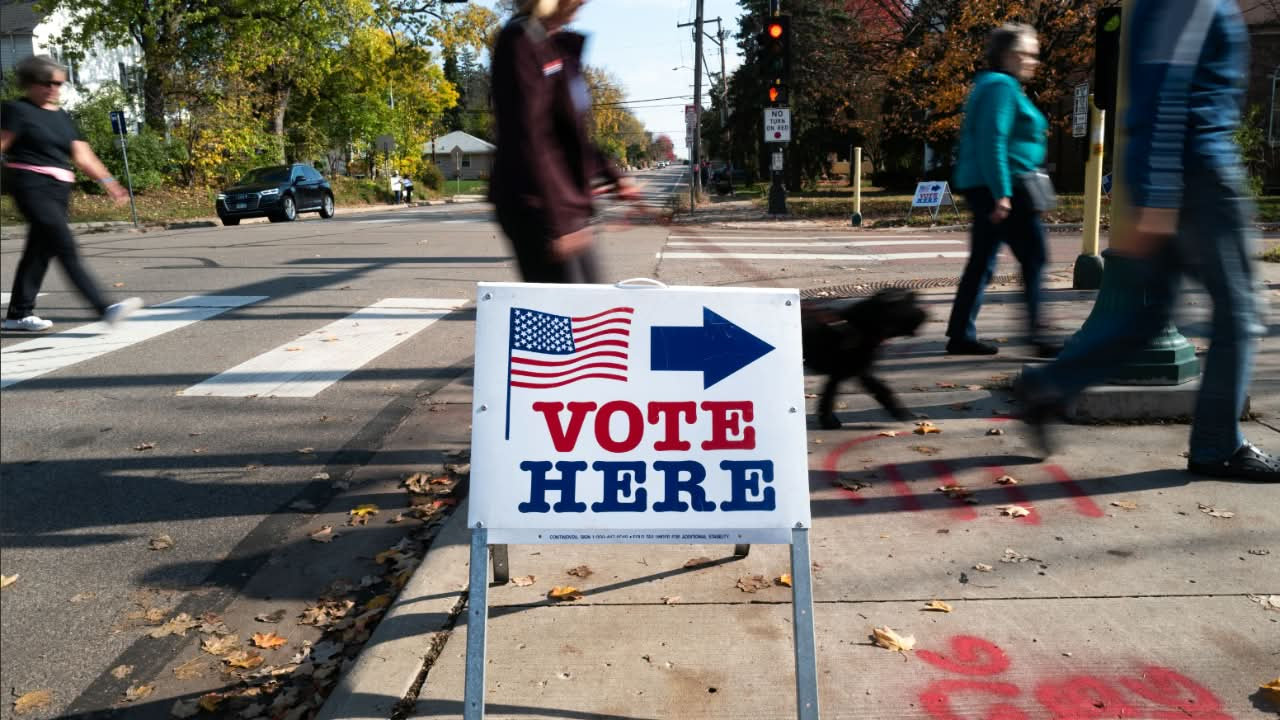 |
Voters in all 50 states go to the polls on Tuesday, November 3, 2026, to renew the US Congress. The midterm elections, known internationally as the midterms, put all 435 House of Representatives seats and 35 Senate seats in dispute. The result will show how much political backing President Donald Trump keeps for the last two years of his term.
The outcome also decides who chairs the committees in Washington and how easily the federal budget gets approved. Lawmakers in both chambers use these committees to review bills and government spending.
About 250 million citizens are eligible to vote. Voting is not compulsory, and each state sets its own rules. Some voters cast ballots by mail or went to polling stations days early. The federal government tried to restrict mail voting through a presidential decree in the months before the vote, but courts blocked the measure before voting began.
Because the entire House is renewed every two years and more than a third of the six-year Senate terms are up, the vote works as a referendum on the sitting president’s popularity.
Narrow majorities going into the final day of voting
Republicans entered the race with narrow majorities in both chambers. The governing party began the period with 218 House members, against 214 Democrats. In the Senate, Republicans held 53 seats, while Democrats had 45 and received operational support from two independents on joint votes.
Reuters/Ipsos, a public opinion research institute, found that 53% of likely voters favored Democratic candidates, compared with 44% for Republicans. On Sunday, Al Jazeera reported that Democrats remained ahead in national polls.
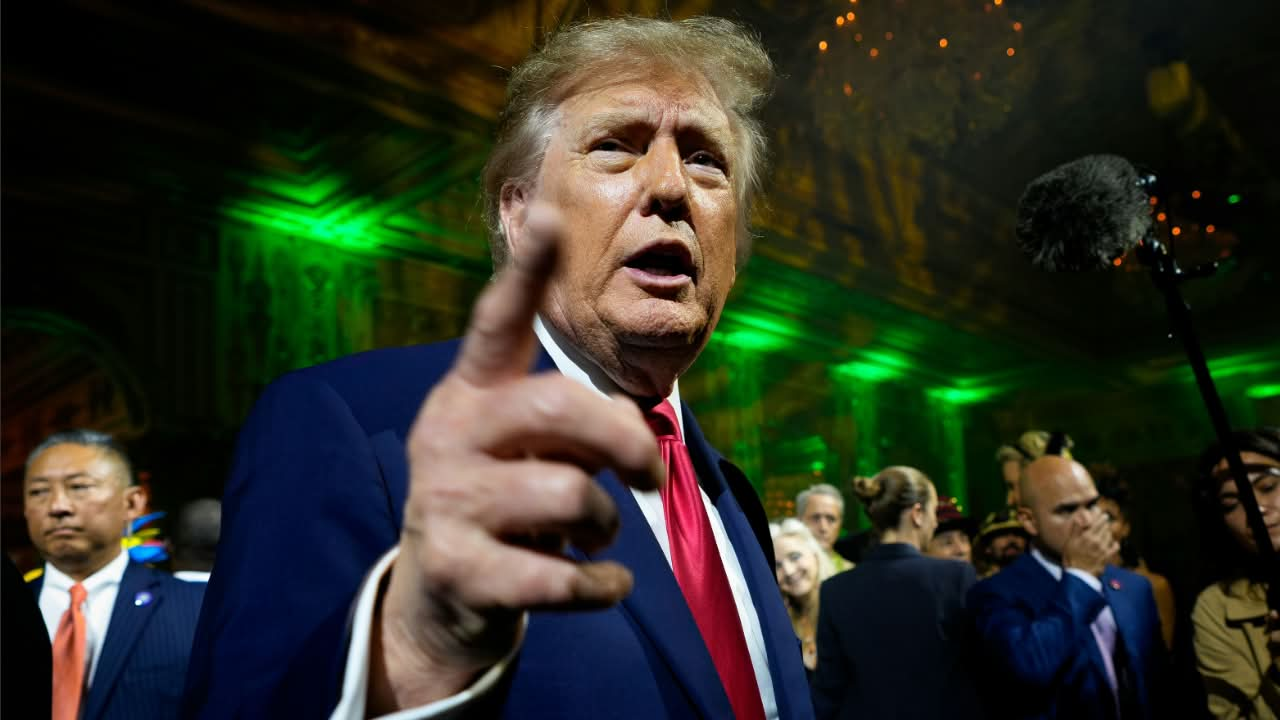
To counter the risk of losing control, Trump campaigned across the country. NBC News described his tour as 28 stops, and his final rally took place in Salina, Kansas, on Sunday, Nov. 1. His stops included Texas, where Democrats are trying to win a Senate seat, and on Monday, Nov. 2, he closed the campaign at the Lincoln Memorial Reflecting Pool in Washington.
Keep reading: Donald Trump crypto bill stalls in US Senate vote on Sept 15
What a change in congressional control allows
Majorities in each chamber give lawmakers power to open investigations into executive agencies, block budget allocations and reject diplomatic nominations. If Democrats take the speakership of the House, opposition lawmakers would gain the legal power to demand more office documents and oversee directly the conduct of Immigration and Customs Enforcement (ICE).
A change in majority would also open a procedural path for new impeachment requests against the president. Impeachment is the process in which the House formally accuses a president of wrongdoing, and the Senate decides on the charges.
Trump faced two impeachment proceedings during his first term. In 2019 and 2021, the House approved articles of impeachment, and the Senate voted to acquit him on all charges. In the courts, he was convicted in New York of falsifying business records, with no prison sentence or fine, while three other investigations on classified documents, the 2020 election and challenges in Georgia were closed by the competent courts.
How the vote could shape trade and diplomatic disputes
The congressional vote affects long-term trade talks, but the conduct of foreign policy remains under the direct authority of the White House. In July 2026, the Trump administration imposed an additional 25% tariff on certain goods from Brazil, a measure that drew objections from industry groups and farm exporters.
In 2025, the US government imposed diplomatic sanctions on Brazilian officials, including Supreme Federal Court (STF) Justice Alexandre de Moraes. Washington cited formal claims of arbitrary restrictions on free public expression as the reason.
Learn more: Donald Trump attacks Tom Cotton over stalled permanent daylight saving time
Academic analysis indicates that a change of party in Congress would tend to increase legislative control over such measures. It would not, however, automatically revoke decrees signed by the executive branch.
Karina Calandrin, PhD in international relations and professor at Ibmec-SP, said the congressional vote has limited reach over international decisions by the executive.
“It does not change foreign policy, because foreign policy belongs to the president together with his advisers. So with the midterms, even if Trump loses both chambers, a change in foreign policy is not guaranteed. What increases is the scrutiny. So any action by Trump comes under more pressure from Congress.”
Rules that govern the midterm vote and the count
The midterm vote follows specific institutional rules. Each state sets the details of its own voting, including mail voting, after the courts blocked federal restrictions.
- Terms: two years for House members and six years for senators.
- Senate seats: 35 are in dispute among the states in this electoral cycle.
- Polling hours: polls close at different times across the country’s time zones.
- Counting: secretaries of state and municipal election boards handle the district ballots after voting ends.
The count runs state by state, and each time zone closes its polls at a different hour. Results are reported as the tally advances in each district.