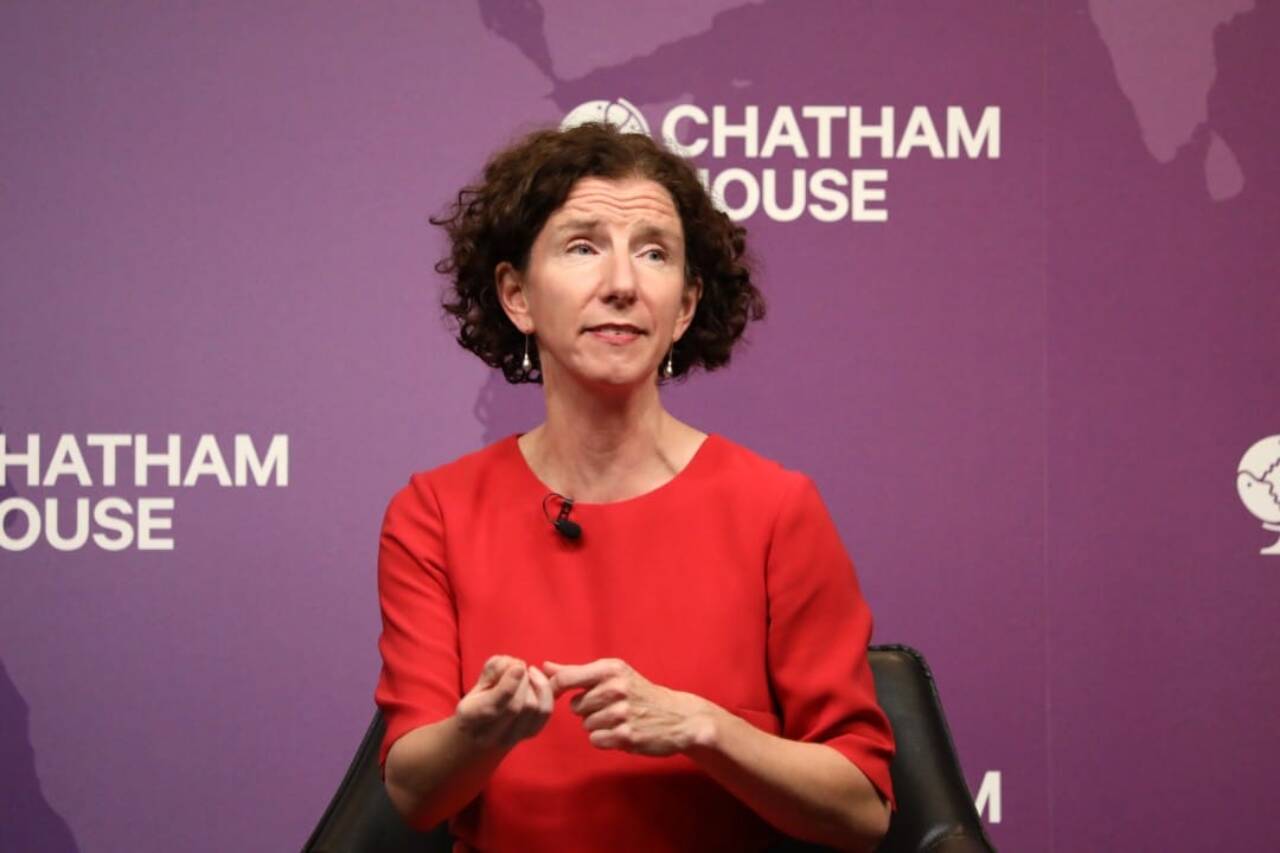
The decision by British Prime Minister Keir Starmer to slash the international aid budget by 40% to fund a boost in defense spending has ignited a political firestorm, both within his own Labour Party and on the global stage. Announced just days before a critical meeting with U.S. President Donald Trump in Washington, the move will see the aid allocation drop from 0.5% to 0.3% of Gross National Income (GNI) by 2027, saving approximately £6 billion annually. However, it prompted the immediate resignation of International Development Minister Anneliese Dodds, who accused the government of abandoning vulnerable populations and tarnishing the UK’s international reputation at a time of escalating global instability. The cut, designed to finance an increase in defense spending from 2.3% to 2.5% of GDP, reflects Starmer’s pivot toward national security amid rising geopolitical tensions, but it has revealed deep divisions within his party and drawn sharp criticism from humanitarian groups fearing the rise of rival powers like Russia and China in affected regions.
Anneliese Dodds, who also served as Minister for Women and Equalities, formalized her resignation on Friday, following Starmer’s return from Washington, noting in her letter that she delayed her exit to avoid undermining the cabinet’s unity during the high-stakes U.S. visit. With the aid budget already partially allocated to housing asylum seekers in UK hotels, the effective amount for overseas programs will plummet to roughly 0.15% of GNI, a historic low for a nation once hailed as a leader in global assistance.
Starmer has defended the shift, arguing that conflict drives migration and poverty—pointing to crises like the war in Ukraine—and that bolstering defense is a necessary response. Yet, the resignation of Dodds, the fourth ministerial departure since July, underscores the fragility of his young government as it grapples with balancing security priorities against Labour’s traditional progressive commitments.
Roots of the crisis and Starmer’s bold move
UK’s legacy in global aid under strain
The United Kingdom has long positioned itself as a cornerstone of international aid, a legacy cemented in 2005 under Tony Blair’s Labour government when it pledged 0.7% of GNI to overseas assistance—a target met by 2013 and sustained until 2021. That figure was trimmed to 0.5% by Boris Johnson’s Conservative administration during the pandemic, citing fiscal pressures, with Labour vowing in opposition to restore the higher benchmark. Starmer’s decision to further cut it to 0.3% represents a dramatic break from this history, particularly as he opted to fund defense entirely through aid reductions rather than exploring tax reforms or other fiscal adjustments. Anneliese Dodds, in her resignation letter, decried this choice, warning that the annual £6 billion cut will force the UK to pull out of key nations in Africa, the Caribbean, and the Western Balkans—regions where Russia has been aggressively expanding its footprint.
This shift comes against a backdrop of heightened global insecurity, with the post-World War II order fraying and the U.S. pushing European allies to shoulder more of the defense burden. Dodds argued that the cuts will not only slash food and healthcare aid to desperate communities but also diminish Britain’s voice in multilateral bodies like the G7, G20, and climate talks, a retreat from its once-prominent role.
Political fallout hits Labour hard
Anneliese Dodds’ exit has exposed a rift within the Labour Party that threatens Starmer’s leadership. Sarah Champion, chair of the international development committee, labeled the cut a “false economy” that could destabilize the world further, while Diane Abbott called it “shameful” that more ministers didn’t resign in protest. Deputy Prime Minister Angela Rayner, however, backed Starmer, calling the defense hike “absolutely right” despite her regret over Dodds’ departure, highlighting the cabinet’s struggle to reconcile ideological divides.
Beyond Labour, Conservative leader Kemi Badenoch unexpectedly endorsed Starmer’s focus on defense, stressing its necessity in a “dangerous world,” while former Tory development minister Andrew Mitchell praised Dodds as a “politician of decency” and slammed the government’s “cynical” approach. This mix of support and condemnation underscores the complexity of Starmer’s gamble, aligning him with some opposition figures while alienating parts of his own base.
Strategic stakes and the Trump factor
Starmer’s geopolitical chess game
Announcing the aid cut just before meeting Donald Trump was a calculated move by Starmer to signal alignment with U.S. demands for Europe to bolster its military spending. Trump has long criticized NATO allies for leaning too heavily on American forces, urging them to hit at least 2% of GDP on defense—a threshold the UK already exceeds at 2.3%. By committing to 2.5% by 2027, Starmer aimed to strengthen Britain’s hand in Washington, where he sought Trump’s continued support for Ukraine. The £6 billion saved from aid cuts will fuel this defense expansion, a choice Starmer framed as unavoidable given threats like Russia’s aggression and the war in Ukraine.
In their Thursday meeting, Trump praised Starmer as a “tough negotiator” and welcomed the UK’s defense pledge, though he offered no firm commitments on Ukraine—a key goal for the British leader. The aid reduction, thus, doubled as a diplomatic olive branch to the U.S. and a bid to cement the UK’s relevance in a shifting global order.
Global ripple effects in numbers
The cuts will reverberate far beyond Britain’s borders, hitting regions reliant on UK aid. With the budget already stretched by asylum costs, the real overseas aid figure will drop to about 0.15% of GNI, a stark fall from the 0.7% high of 2013-2021. Humanitarian groups warn of dire consequences, including:
- Healthcare: Millions in conflict zones will lose access to vaccines and treatment.
- Food security: Famine relief in places like Sudan faces suspension.
- Education: School programs in impoverished areas will shrink.
Dodds emphasized that the £6 billion annual reduction will also erode Britain’s clout in regional banks, the World Bank, and climate negotiations, ceding ground to rivals like Russia and China.
Labour’s internal strife and historical context
Starmer’s journey from progressive roots
Keir Starmer took the Labour helm in 2020, promising a centrist shift from Jeremy Corbyn’s tenure while retaining core progressive ideals, including robust support for international aid. His July 2024 election win rested on a platform blending security, economic stability, and social justice, yet the aid cut marks a pragmatic turn that clashes with Labour’s past. Anneliese Dodds, a former shadow Treasury minister under Corbyn and shadow chancellor under Starmer, was demoted in 2021 before taking the development role in 2024. Her resignation reflects a broader tension between campaign promises and governing realities, as Starmer prioritizes defense over humanitarian commitments.
The defense boost, lauded by Trump and Badenoch, has alienated Labour’s left wing, which sees aid as a moral and strategic pillar. With Dodds’ exit joining those of Louise Haigh, Tulip Siddiq, and Andrew Gwynne, Starmer faces mounting pressure to unify a party fraying early in his term.
Regional fallout and rival gains
The aid cuts will hit regions where Britain has historic ties hardest. In Africa, nations like Kenya and Nigeria may lose development programs, opening doors for Russia’s military and economic inroads. In the Caribbean, countries like Jamaica will see support dwindle amid migration pressures. In the Western Balkans, a UK pullback could bolster Russian and Chinese influence near Europe’s edge. Dodds warned that the £6 billion cut will also shrink Britain’s role in global financial institutions, a far cry from its 2005-2021 leadership in poverty reduction and climate action.
Practical impacts and political road ahead
Timeline of the budget shift
The aid reduction and defense hike will unfold over years, with key milestones:
- 2024: Initial cuts trim programs in less strategic nations.
- 2025: Withdrawals from Africa and the Caribbean accelerate.
- 2027: Defense hits 2.5% of GDP, aid settles at 0.3% of GNI.
This schedule challenges Starmer to justify the cuts amid emerging crises while upgrading Britain’s military to counter global threats.
Party fractures and international pressure
Anneliese Dodds’ resignation has deepened Labour’s internal divide, with figures like Champion and Abbott pushing back against future fiscal moves, while Rayner’s faction defends the security focus. The loss of four ministers since July signals a shaky start for Starmer, compounded by external criticism from Liberal Democrat Monica Harding, who called the cuts “unsustainable,” echoing Dodds’ fears of a Russian and Chinese takeover in vacated regions. Badenoch’s backing offers Starmer rare cross-party support, but it may not offset the domestic backlash or the ire of humanitarian allies pressing for a policy rethink.