Mykhailo Viktorovych Polyakov, a 24-year-old American, was detained by Indian authorities after illegally entering North Sentinel Island in the Indian Ocean. Known as a digital influencer and self-described “thrill-seeker,” he attempted to contact the Sentinelese, one of the world’s last isolated tribes. Polyakov landed on the island for about five minutes, leaving a can of Diet Coke and a coconut as “gifts” while recording the stunt with a GoPro camera. The incident, which occurred on March 29, violated Indian laws prohibiting anyone from approaching within 5 kilometers of the territory, a rule designed to shield the tribe from external diseases and preserve their way of life. Arrested days later, Polyakov now faces up to five years in prison.
North Sentinel Island, part of India’s Andaman and Nicobar archipelago, is a tightly controlled area. Declared a tribal reserve in 1956, it is home to the Sentinelese, a group estimated at 150 to 200 people, though exact numbers remain unconfirmed due to their complete rejection of outsiders. Living as hunter-gatherers, they rely on bows, arrows, and basic tools, sustaining a lifestyle unchanged for thousands of years. Polyakov’s actions have reignited discussions about the fragility of such groups and the dangers posed by unauthorized intrusions.
Organizations like Survival International condemned the event as “deeply disturbing.” The group, which advocates for indigenous rights, warned that Polyakov’s stunt endangered both his life and the tribe’s survival. Lacking immunity to common illnesses like the flu or measles, the Sentinelese could face devastating consequences from even brief contact. The incident also spotlighted a rising threat: influencers exploiting restricted areas for social media fame.
What drove the forbidden island invasion
Polyakov’s venture was no spontaneous act. He had visited the Andaman and Nicobar region twice before, once attempting to reach the island in an inflatable kayak but failing. This time, he meticulously planned his move. Departing from Kurma Dera Beach near the protected zone around 1 a.m., he used an inflatable boat with an outboard motor. For an hour, he blew a whistle along the shore, hoping to draw the tribe’s attention, before stepping onto the island.
Footage from his confiscated GoPro confirmed his landing. Polyakov gathered sand samples and filmed his brief stay, leaving behind the soda can and coconut. After his arrest, he told police his goal was to chase extreme thrills and possibly create content for his online audience. Media reports linked him to a YouTube channel showcasing risky trips, including a recent journey to Afghanistan. His actions reflect a growing trend of influencers pushing boundaries for digital clout.
Risks of unwanted contact
Polyakov’s stunt endangered more than just himself. The Sentinelese have a long history of hostility toward outsiders, a trait honed by decades of failed contact attempts. In 2018, American missionary John Allen Chau, 27, was killed by the tribe’s arrows after illegally landing on the island to spread Christianity. His body was never retrieved, with authorities avoiding further confrontation. In 2006, two Indian fishermen, Sunder Raj and Pandit Tiwari, met a similar fate when their boat drifted too close and they were attacked.
These incidents highlight the physical danger of approaching the island, but the greater threat lies elsewhere. The Sentinelese lack immunity to external diseases, a vulnerability that has decimated isolated groups in the past. In the late 19th century, British colonizers exposed the tribe to infections like measles, killing many. Since then, India has enforced a “hands-off, eyes-on” policy, patrolling the surrounding waters to block access and protect the tribe’s health and autonomy.
Legal actions and global response
Following his arrest, Polyakov appeared before a local court in Port Blair, the capital of the Andaman and Nicobar Islands, where he was held in custody for three days of questioning. Police charged him under the Foreigners Act of 1946 and the 2012 Andaman and Nicobar Aboriginal Tribes Protection Regulation. Authorities are probing whether locals aided his trip, a crime also punishable by law. The U.S. government acknowledged the case and said it is closely monitoring developments.
Survival International praised India’s swift response but raised concerns over how Polyakov reached the island undetected. The group stressed that safeguarding the Sentinelese is a legal duty under the United Nations Convention on Indigenous and Tribal Peoples. The event underscores the need for stricter enforcement to deter thrill-seekers and protect vulnerable communities.
- Immediate action: Polyakov was arrested on March 31, two days after his incursion.
- Seized items: His inflatable boat, motor, and GoPro are in police custody.
- Potential sentence: He faces up to five years for breaking Indian laws.
- Global call: Groups urge tighter controls on reckless tourism.
Who are the Sentinelese and why they stay isolated
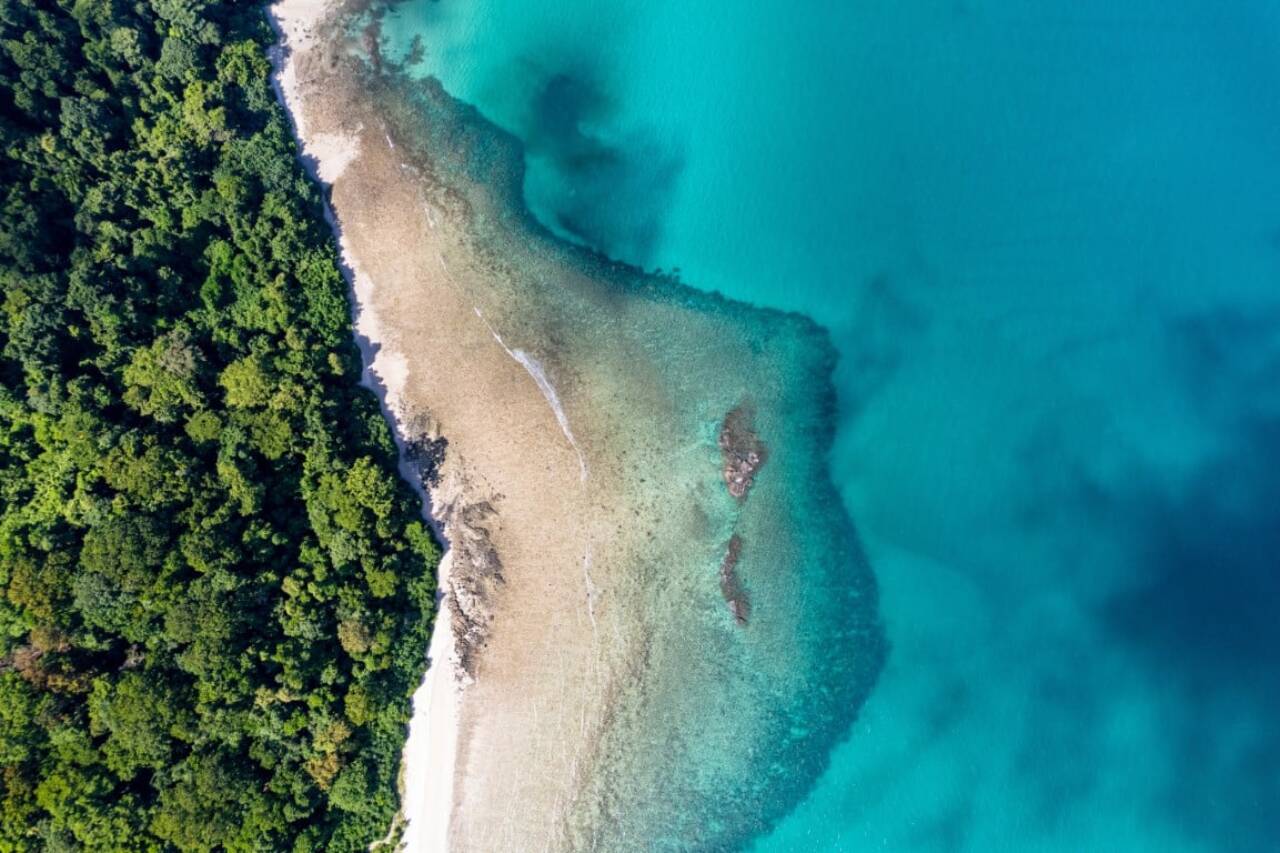
The Sentinelese have lived on North Sentinel Island for possibly 60,000 years, according to anthropological estimates. As hunter-gatherers, they craft stone and salvaged-metal tools, living in small forest settlements. Their language, traditions, and social structure remain unknown due to their refusal of contact. The island, roughly the size of Manhattan, is cloaked in dense jungle and ringed by reefs that deter visitors.
India’s deliberate isolation policy reinforces their seclusion. Since 1996, access has been banned, with naval patrols enforcing the 5-kilometer buffer zone. This protects the tribe from disease and preserves their independence, a stark contrast to earlier failed integration efforts. In 2004, after a tsunami ravaged the region, the Sentinelese fired arrows at a relief helicopter, signaling their rejection of outside aid and resilience in isolation.
Their isolation sets them apart from other Andaman tribes like the Jarawa and Onge, who have had limited modern contact. The Sentinelese’s resistance is a survival strategy, shaped by centuries of hostile encounters with outsiders, from colonial explorers to modern adventurers.
History of contact attempts with the Sentinelese
Encounters with the Sentinelese have long been marked by tension. In the 1880s, British colonizers abducted tribe members, taking them to Port Blair. Most died from unfamiliar diseases, and the survivors, returned to the island, likely deepened the group’s distrust. Later efforts in the 1970s, 1980s, and 1990s by Indian anthropologists met armed resistance, with arrows injuring or killing intruders.
A rare peaceful moment came in 1991, when an Indian team briefly exchanged coconuts with the tribe. Yet subsequent visits reverted to violence. After Chau’s 2018 death, India tightened its no-contact stance, prioritizing the tribe’s safety over curiosity. Today, the Sentinelese’s isolation is both their choice and a government mandate.
Timeline of key events on North Sentinel Island
- 1880: British attempt to “civilize” the Sentinelese leads to deaths from disease.
- 1956: India designates the island a tribal reserve with a no-entry zone.
- 1991: Indian team achieves brief, peaceful coconut exchange.
- 2004: Tribe fires arrows at a post-tsunami aid helicopter.
- 2006: Two Indian fishermen killed after boat drifts ashore.
- 2018: Missionary John Allen Chau slain by the tribe.
- 2025: Polyakov invades and is arrested by Indian authorities.
Emerging threats to isolated peoples
Polyakov’s case reflects a broader trend. The rise of digital influencers has fueled reckless tourism, with individuals chasing extreme experiences for online fame. Jonathan Mazower of Survival International called this a top threat to isolated communities, alongside illegal fishing and missionary activity. He warned that social media’s allure amplifies the danger to groups like the Sentinelese.
In the Andaman and Nicobar Islands, economic pressures compound the issue. India plans a $9 billion investment to boost naval bases and tourism infrastructure, potentially exposing tribes to more outsiders. Despite criticism over land rights, local officials insist they prioritize indigenous welfare. For the Sentinelese, any breach—like Polyakov’s soda can—could introduce germs with lethal consequences, given their confined habitat and lack of medical access.
Fallout and protection challenges
Polyakov’s arrest sparked varied reactions. Some view it as youthful recklessness, while others see a serious ethical breach. Survival International argued that his undetected landing reveals security gaps, urging India to punish enablers as well as intruders. The items he left behind remain unrecovered, as entering the island is too risky and prohibited, raising questions about long-term impacts.
The incident highlights the tension between cultural preservation and media exploitation. North Sentinel Island’s mystique draws adventurers, but each breach threatens a way of life sustained for millennia. As influencers increasingly target such sites, protecting the Sentinelese grows more complex.
Facts about the Sentinelese
- They live in small communal huts and temporary shelters without walls.
- Women wear fiber ropes around waists and necks; men use thicker belts and necklaces.
- Expert archers, they craft arrows with metal tips from shipwreck debris.
- Post-2004 tsunami, they rejected aid, proving total self-reliance.