Formula 1, the pinnacle of motorsport, is steering into uncharted territory with a groundbreaking partnership. Announced in May 2025, the collaboration with Disney will bring iconic characters like Mickey Mouse and his friends to the world of racing. Set to kick off in 2026, this deal promises a blend of products, immersive experiences, and digital content, merging two global entertainment giants. Fans are already buzzing with anticipation.
This strategic alliance aims to broaden the appeal of Formula 1, which boasts 820 million viewers worldwide, and Disney, a cultural juggernaut nearing a century of storytelling. The move reflects a growing trend of sports brands reaching beyond their traditional audiences, targeting families and younger consumers. Here’s a snapshot of what’s in store:
- Licensed merchandise: T-shirts, caps, and toys featuring Disney characters.
- Immersive experiences: Race-day events with Mickey Mouse interactions.
- Multi-platform content: Videos and campaigns blending F1 and Disney worlds.
Executives from both companies have hailed the deal as a game-changer, emphasizing its potential to captivate diverse audiences. While details remain sparse, the partnership is poised to redefine how motorsport engages with pop culture.
Disney x @f1 🏎️ Coming 2026
— Disney (@Disney) May 20, 2025
Gear up for a new #MickeyandFriendsxF1 collaboration kicking into high-speed next year. pic.twitter.com/nryDG6FFyE
Partnership details
The Formula 1 and Disney collaboration, formalized in May 2025, marks a bold step for motorsport. Emily Prazer, F1’s chief commercial officer, highlighted the goal of integrating Mickey Mouse & Friends into the sport, creating a bridge between racing fans and Disney enthusiasts. While financial specifics and the deal’s duration remain undisclosed, the first outcomes will emerge in 2026.
The partnership spans three key areas: merchandise, interactive experiences, and digital content. For Formula 1, this is a chance to tap into Disney’s massive global fanbase, particularly in markets like the United States, Europe, and Asia. Disney, celebrating nearly a century of Mickey Mouse, sees F1 as a dynamic platform to amplify its brand.
Speculation suggests merchandise will include apparel, accessories, and collectible toys. Race-day experiences, such as family-friendly interactive zones, are also planned, according to industry insiders. The collaboration aims to balance F1’s high-octane identity with Disney’s family-oriented appeal.
- Exclusive merchandise: Miniature F1 cars with Disney character designs.
- Race activations: Themed zones at events like the Monaco Grand Prix.
- Digital campaigns: Promotional videos featuring pilots and animated characters.
- Global reach: Targeting markets like China and Latin America.
The announcement has sparked excitement, but questions linger about how the partnership will unfold on and off the track.
History of motorsport collaborations
Cross-industry partnerships are not new to motorsport. Formula 1 has previously collaborated with brands like Rolex and Heineken, but the Disney deal stands out for its focus on family-friendly characters. The sport has been diversifying its audience, especially since the Netflix series Drive to Survive brought in new viewers.
Disney has a track record of venturing beyond entertainment, partnering with brands like Adidas and sports leagues like the NBA. The F1 collaboration, however, is a bold leap, merging the thrill of racing with the whimsy of animation. In 2024, F1 saw a 10% increase in younger fans, per Liberty Media data, and this deal could further boost that trend.
The global licensed merchandise market, valued at $340 billion in 2023 according to Licensing International, underscores the potential of this partnership. By combining F1’s prestige with Disney’s universal appeal, the deal could set a new standard for sports-entertainment crossovers.
Fan reactions
The F1-Disney partnership quickly gained traction online. Social media platforms like X buzzed with fans sharing memes and imagining characters like Donald Duck at the races. Parents, in particular, welcomed the prospect of family-friendly race experiences, seeing it as a way to introduce kids to motorsport.
However, some traditional F1 fans expressed skepticism. Comments on X suggested that Disney characters might “dilute” the sport’s competitive edge, with one user joking, “I’m here for lap times, not Mickey in a helmet.” Despite the mixed reactions, most fans appear open to the novelty, provided it respects F1’s core identity.
Disney’s expertise in engaging diverse audiences will likely shape campaigns that appeal to both kids and adults. The company has hinted at products designed for collectors, tapping into the growing market for limited-edition memorabilia.
Planned products and experiences
While specifics are limited, the partnership promises a wide range of merchandise. Drawing from Disney’s past collaborations, expect apparel like graphic tees, accessories like backpacks, and collectibles like F1 car replicas featuring characters. These items will likely be sold through F1’s official stores, Disney theme parks, and online platforms.
Race-day experiences are a key focus. Themed zones, similar to existing fan areas at Grands Prix, may offer interactive activities like racing simulators with Disney flair. High-profile races like the Miami Grand Prix, known for their festive vibe, are prime candidates for these activations.
- Themed apparel: Shirts blending pilot logos with Disney characters.
- Toys: Remote-controlled F1 cars with Mickey Mouse designs.
- Interactive events: Character meet-and-greets at select circuits.
- Collectibles: Limited-edition items for adult fans.
Sustainability will play a role, aligning with F1’s carbon-neutral goals since 2020 and Disney’s environmental commitments. Expect eco-friendly materials in merchandise production.
Global market expansion
The partnership has a strong international focus. Formula 1 hosts races in 24 countries, reaching diverse audiences. Disney plans to leverage this platform to promote Mickey Mouse & Friends in key regions. Markets like Asia, where F1 is growing, and Latin America, where Disney enjoys widespread popularity, are priorities.
In China, the Shanghai Grand Prix draws millions of viewers. The partnership could feature localized campaigns, such as merchandise tailored to Chinese culture. In Latin America, the Mexican Grand Prix offers a stage for family-oriented activations, capitalizing on Disney’s regional fanbase.
The deal may also boost tourism. Disney theme parks in Orlando or Tokyo could introduce F1-themed exhibits or simulators, creating cross-promotional opportunities. This synergy aligns with both brands’ focus on memorable experiences.
Engaging younger audiences
Formula 1 has prioritized younger fans, and the Disney partnership supports this goal. Kids and teens familiar with Disney content may discover motorsport through accessible products and events. Parents benefit from more family-friendly options at Grands Prix, enhancing the race-day experience.
Educational initiatives, like workshops on racing technology, could incorporate Disney characters to engage children. Such programs already exist at events like the Australian Grand Prix, and the partnership could expand them. In 2024, 25% of F1 fans were under 25, per Liberty Media, a figure likely to rise with this collaboration.
- Kids’ activities: Car design workshops with Disney themes.
- Educational content: Videos explaining F1 with animated characters.
- Digital engagement: Social media filters featuring Mickey and race cars.
Disney gains access to a new demographic, potentially driving park visits and merchandise sales among F1 fans.
Implementation timeline
The partnership will fully launch in 2026, though some elements may debut earlier. Formula 1 plans to promote the deal during pre-season events, such as testing in Bahrain. Disney, known for robust marketing, may release teasers in 2025, possibly at the season-closing Abu Dhabi Grand Prix.
Merchandise will roll out gradually, starting with popular characters like Mickey, Minnie, and Goofy. Limited-edition collectibles may debut at iconic races like Monaco or Silverstone. Large-scale production hinges on agreements with licensed manufacturers already tied to both brands.
- 2025: Promotional campaigns and teasers.
- 2026: Initial product launches and race activations.
- 2027: Expansion to additional markets and events.
Future phases could involve other Disney properties, like Pixar or Marvel characters, depending on the partnership’s success.
Drivers’ perspectives
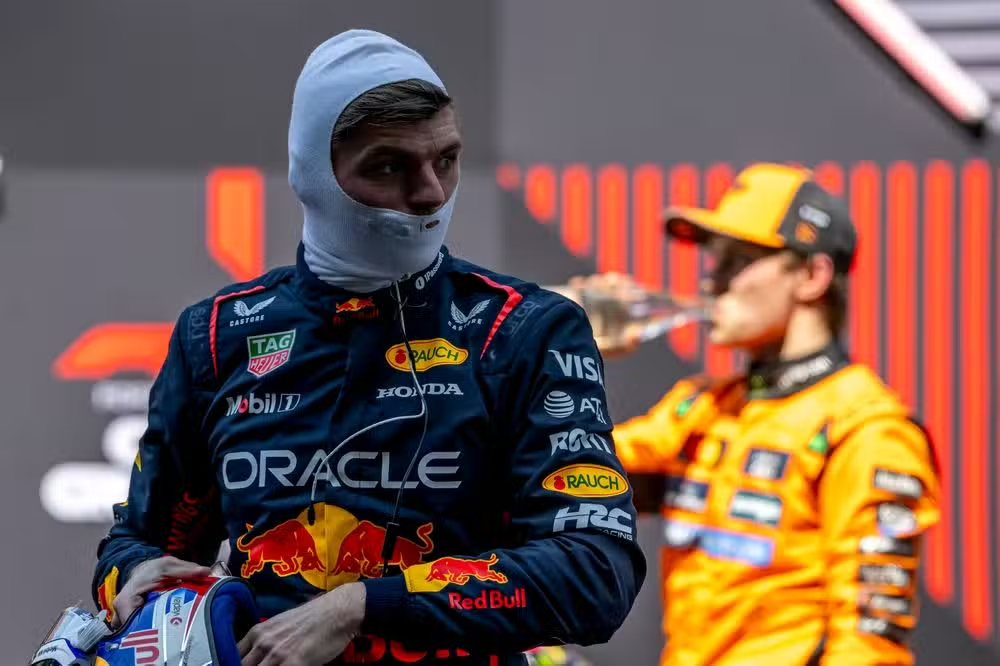
Formula 1 drivers, the sport’s biggest stars, have weighed in on the news. Lando Norris, a fan favorite, shared his excitement on X, suggesting the partnership could make races more fun. Others, like Max Verstappen, have remained quiet, indicating a neutral stance.
Disney characters offer drivers a chance to connect with fans in a lighter, more approachable way. Past events, like the Miami Grand Prix, have seen drivers engage in celebrity-driven activations, and this deal follows a similar playbook.
The partnership could also attract new sponsors. Brands like Hasbro, which work with Disney, may invest in driver-led campaigns, boosting the sport’s visibility.
Future of sports partnerships
The F1-Disney collaboration signals a broader trend of sports and entertainment converging. Other motorsport series, like MotoGP, have explored media partnerships, but none match the scale of this deal. A successful outcome could inspire leagues like the NFL or Premier League to pursue similar ventures.
Formula 1, already a global marketing powerhouse, strengthens its position through this partnership. Disney gains a high-profile stage for its characters. The model could extend to other Disney franchises, like Star Wars, in future collaborations.
Licensing remains a key driver. In 2023, F1’s licensed merchandise market generated $2 billion, per Sport Business Journal. Adding Disney characters could double that by 2030, benefiting both brands.