

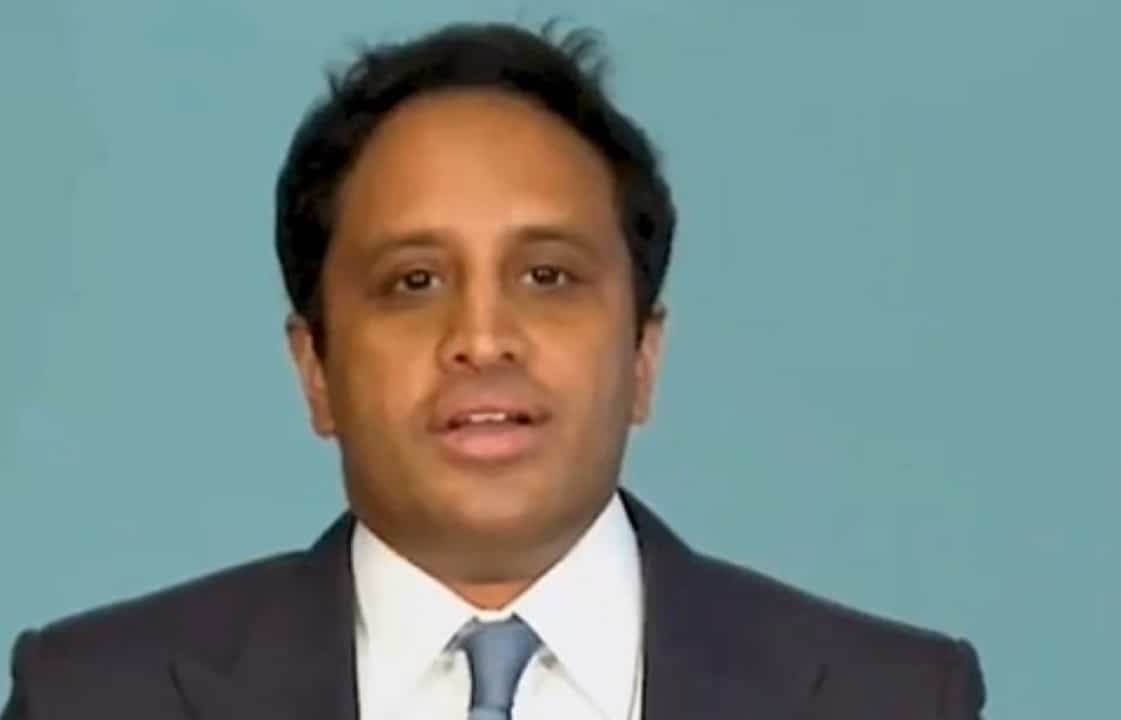
Zia Yusuf, chairman of Britain’s Reform UK party, resigned on June 5, 2025, after 11 months, stating that working to elect a Reform government is no longer “a good use of my time.” Announced via social media, his exit follows a public clash with newly elected MP Sarah Pochin, who called for Prime Minister Keir Starmer to ban the burqa, a proposal Yusuf labeled “dumb.” The departure of Yusuf, a former banker and British Muslim who led the party’s rapid growth from 14% to 30% in national polls, highlights internal divisions within Reform UK. Nigel Farage, the party’s leader, expressed regret, crediting Yusuf for victories in May 2025’s elections, including a by-election, two mayoral races, and 677 new councillors. The resignation, set against the context of Reform’s rising influence, underscores challenges in aligning the party’s diverse factions as it seeks to solidify its place in UK politics.
Yusuf’s exit has sparked discussions about Reform UK’s direction, especially after its membership quadrupled under his tenure. The burqa controversy, coupled with prior internal conflicts, reveals tensions within the party.
Farage praised Yusuf’s “enormous talent” but acknowledged the high-pressure nature of politics. The row with Pochin appears to have been a tipping point for Yusuf’s decision.
- Resignation details:
- Date: June 5, 2025.
- Position: Chairman of Reform UK.
- Stated reason: No longer believes in electing a Reform government.
- Trigger: Criticism of Sarah Pochin’s burqa ban proposal.
Clash with Sarah Pochin
Zia Yusuf’s resignation followed a public dispute with Sarah Pochin, Reform UK’s MP for Runcorn and Helsby. On June 4, 2025, Pochin questioned Prime Minister Keir Starmer in Parliament about banning the burqa, citing public safety concerns. Yusuf took to social media, calling the query “dumb” and distancing it from the party’s official stance.
The exchange drew mixed reactions. Party whip Lee Anderson backed Pochin, while activists voiced frustration with Yusuf’s leadership. Reform UK issued a statement clarifying that banning the burqa is not party policy but merits national debate.
The incident highlighted internal rifts, with commentators like Katie Hopkins questioning Yusuf’s sway over the party’s direction. It echoed earlier disputes, such as the expulsion of MEP Rupert Lowe in December 2024 after a conflict with Yusuf.
Yusuf’s leadership at Reform UK
Zia Yusuf became Reform UK chairman in July 2024, post-general election, bringing a business-oriented approach after selling his tech startup for over £200 million. A former Conservative Party member, he donated £200,000 to Reform’s 2024 campaign.
Under his leadership, Reform UK’s support soared to 30% in polls, overtaking Labour in some surveys, and its membership quadrupled. Yusuf spearheaded professionalization efforts, securing donors and expanding the activist base.
- Yusuf’s achievements:
- Polls rose from 14% to 30%.
- Membership quadrupled.
- 677 new councillors elected in May 2025.
- Won a by-election and two mayoral races.
Despite these gains, Yusuf faced criticism for centralizing power, with some members questioning his strategic decisions and alignment with the party’s grassroots.
Nigel Farage’s response
Nigel Farage, Reform UK’s leader, expressed sorrow over Yusuf’s resignation, lauding his role in the party’s May 2025 electoral successes. In a social media post, Farage called politics a “highly pressured game” and noted that Yusuf had “clearly had enough.”
Farage emphasized Yusuf’s contributions to securing a parliamentary seat, two mayoral victories, and 677 council seats, which strengthened Reform’s local presence. Their close partnership had positioned Yusuf as a key figure in modernizing the party.
Yusuf’s departure leaves Farage tasked with finding a successor to sustain the party’s growth while navigating its internal challenges.
Internal divisions in Reform UK
Yusuf’s exit exposes fractures within Reform UK, which struggles to unify its diverse supporters. Founded in 2018 as the Brexit Party, it has grown on an anti-immigration, anti-establishment platform, drawing both disillusioned Tories and working-class voters. However, disputes over policies like the burqa ban reveal tensions between moderates and hardliners.
The Pochin controversy follows other conflicts. In December 2024, MEP Rupert Lowe was expelled after clashing with Yusuf, leading to a defamation lawsuit still pending. Howard Cox, a former London mayoral candidate, also quit, criticizing Yusuf’s leadership.
These incidents suggest challenges in maintaining a cohesive party message, especially after its rapid 2025 expansion. Yusuf’s resignation may deepen these divides, with some calling for a leader closer to the base.
Shift to UK DOGE project
Before resigning, Yusuf had scaled back his Reform UK role to focus on UK DOGE, a transparency initiative inspired by Elon Musk to audit local council spending. Launched in May 2025 in Kent, it expanded to West Northamptonshire and Lancashire, targeting wasteful public contracts.
Yusuf hinted at prioritizing UK DOGE when commenting on Pochin’s burqa question, stating he was “busy with other things.” The project, led by an unnamed tech entrepreneur, aligns with Yusuf’s vision of applying business principles to governance.
- UK DOGE objectives:
- Audit local council expenditures.
- Identify costly contracts.
- Reduce public resource waste.
- Active in Kent, West Northamptonshire, Lancashire.
Yusuf’s pivot to UK DOGE signals a move away from partisan politics toward public sector reform.
Reform UK’s rise
Reform UK has seen explosive growth under Yusuf’s chairmanship. Originally the Brexit Party, it capitalized on public frustration with mainstream parties post-Brexit. In May 2025, it secured 10 local councils, 677 councillors, and two mayoral posts, cementing its grassroots strength.
Polls, like YouGov’s, show Reform UK at 29%, ahead of Labour’s 21%. This surge prompted Farage to challenge Starmer, who criticized the party’s anti-immigration rhetoric.
Yusuf’s exit comes at a pivotal moment, as Reform UK aims to position itself as the main opposition to Labour. The next chairman’s appointment will be critical to maintaining this trajectory.
Zia Yusuf’s background
Zia Yusuf, a 37-year-old British Muslim, built his wealth as a banker and tech entrepreneur, selling his startup for £200 million. A former Tory, he joined Reform UK for its ideological fit, donating £200,000 to its 2024 campaign.
As chairman, Yusuf introduced corporate strategies, attracting donors and accepting Bitcoin donations. He advocated tax cuts on digital assets to lure wealthy investors back to the UK.
His identity as a Muslim patriot sparked debate, with some activists questioning his role in a party linked to anti-immigration policies. Yusuf championed a unified, prosperous Britain.
Reactions to the resignation
Yusuf’s resignation elicited varied responses. Farage and party leaders mourned his departure, while critics like Howard Cox celebrated, accusing Yusuf of over-centralization. Supporters of Pochin defended her, arguing her question reflected voter concerns.
Lee Anderson doubled down on the burqa ban, stating no one should conceal their identity in public. Deputy leader Richard Tice initially praised Pochin’s query as “interesting,” signaling early support.
Speculation about Yusuf’s successor has begun, with Aaron Lobo, a Farage ally, emerging as a potential candidate. The resignation has reignited debates about Reform UK’s leadership.
Reform UK’s next steps
Yusuf’s departure leaves Reform UK at a crossroads. Controlling 10 local councils and boasting a growing parliamentary presence, the party must navigate its internal divisions. The Pochin row exposed ideological fault lines, with some pushing for a harder stance and others favoring moderation.
Farage, who reclaimed leadership in 2024, faces the task of appointing a chairman to unify the party and sustain its momentum. Reform UK’s rise, fueled by voter discontent with Labour and Tories, hinges on balancing ambition with cohesion.
External critics, accusing the party of populism and unrealistic economic plans like £400 billion in spending cuts, may seize on Yusuf’s exit to amplify attacks. The party’s ability to weather this crisis will shape its future.