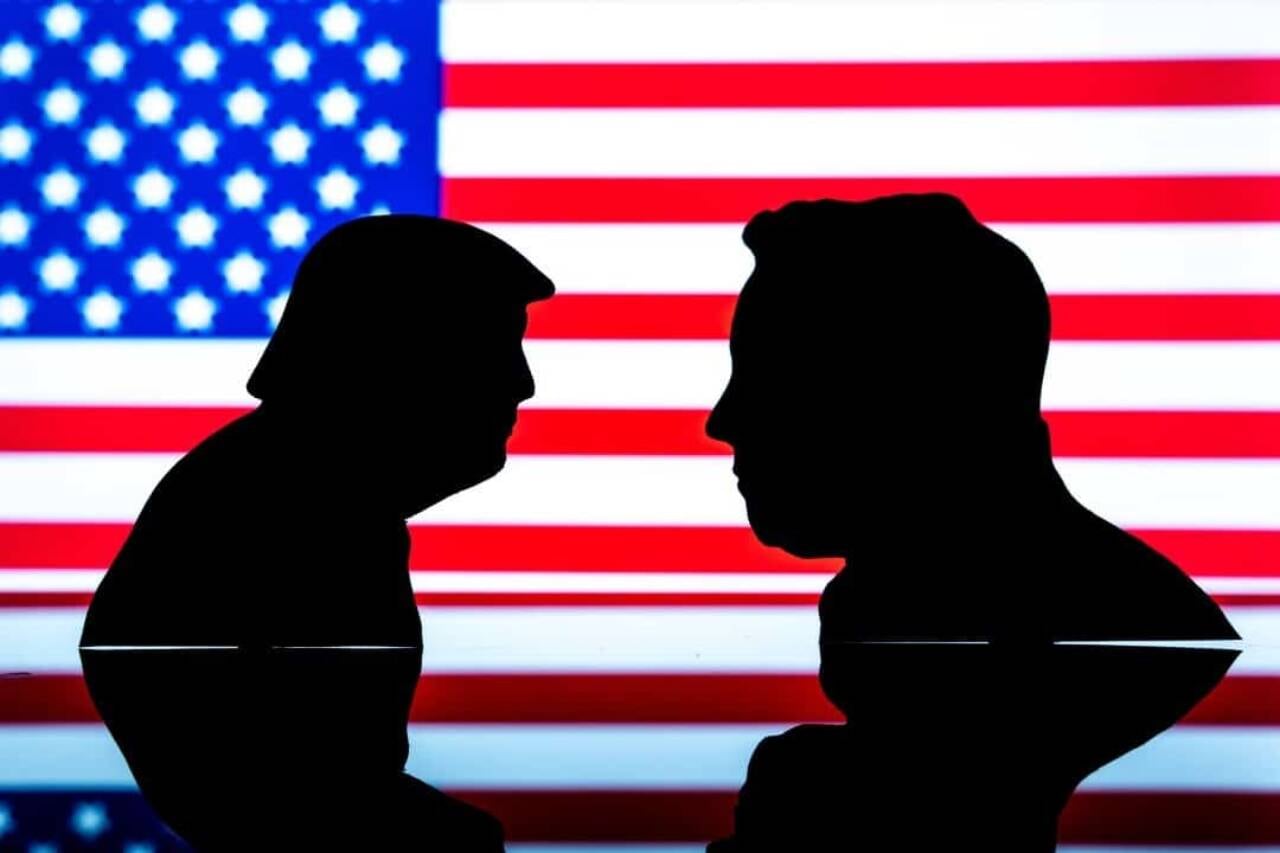
In a matter of days, the once-unlikely alliance between U.S. President Donald Trump and billionaire Elon Musk, CEO of Tesla and SpaceX, unraveled into a public feud that stunned the political world. On June 5, 2025, the two engaged in a heated exchange on social media, with Trump threatening to cut federal contracts tied to Musk’s companies and Musk retaliating with unverified claims about Trump’s links to Jeffrey Epstein documents. The conflict erupted after Trump withdrew the nomination of Jared Isaacman, a close Musk ally, to lead NASA—a move seen as critical to SpaceX’s interests. Triggered by disagreements over a domestic policy bill, the dispute escalated rapidly, exposing long-simmering tensions and raising questions about Musk’s business ties with the U.S. government. Played out in real-time posts on Truth Social and X, the clash captivated global audiences and underscored the volatility of two larger-than-life figures at the heart of power.
What began as a celebrated partnership between a tech mogul and a populist president collapsed under the weight of clashing egos and policy disputes. Forged in 2024, when Musk poured roughly $300 million into Trump’s campaign, the alliance was hailed as a bold union to reshape government efficiency. Musk, tasked with leading the Department of Government Efficiency (DOGE), promised sweeping federal budget cuts. Yet, cracks emerged when Trump backed a bill Musk criticized for ballooning the deficit, setting the stage for a dramatic fallout.
- Key moments in the rift:
- Musk publicly opposed Trump’s “One Big Beautiful Bill” on June 3, 2025.
- Trump expressed “disappointment” with Musk on June 5 during an Oval Office meeting.
- The withdrawal of Jared Isaacman’s NASA nomination intensified the conflict later that day.
The speed of the escalation caught many off guard. From jabs about Musk’s appearance to threats of financial retaliation, the feud became a media spectacle, dominating headlines and social media feeds.
Roots of the conflict
The nomination of Jared Isaacman to head NASA was a flashpoint. Isaacman, who has flown two SpaceX missions, was Musk’s strategic pick to align the space agency with his company’s ambitions. For weeks, the White House pushed Senate Republicans to fast-track his confirmation, despite concerns over his past donations to Democrats. When Trump received a dossier highlighting these contributions, he acted swiftly. In a tense Oval Office meeting, he confronted Musk, reading aloud from the document and voicing distrust. Hours later, Isaacman’s nomination was scrapped, a decision Musk failed to reverse despite frantic efforts.
The NASA decision wasn’t the only sore point. Trump’s support for a bill cutting electric vehicle subsidies—a lifeline for Tesla—further strained relations. In X posts, Musk slammed the legislation as an “abomination” and vowed to back candidates opposing Republicans who supported it in the midterms. His defiance, unprecedented for a top Republican donor, rattled Trump’s allies and deepened the divide.
Public war of words
The feud reached a boiling point on June 5, 2025. During a meeting with German Chancellor Friedrich Merz, Trump publicly aired his frustration with Musk, hinting that the billionaire was lashing out over lost electric vehicle subsidies. On Truth Social, Trump escalated, claiming Musk had “gone crazy” after the elimination of an EV mandate and threatening to ax billions in federal contracts for SpaceX and Starlink.
Musk fired back on X, accusing Trump of lying about his reasons for leaving the government and claiming his financial and political support secured Trump’s 2024 victory. In a particularly explosive post, Musk alleged—without evidence—that Trump appeared in Epstein-related documents, a claim the White House called “regrettable.” The exchange, which included Musk labeling Trump’s tariffs a “recipe for recession” and Trump accusing Musk of “Trump derangement syndrome,” fueled a global media frenzy.
Immediate financial fallout
The clash hit Musk’s businesses hard. On June 5, Tesla’s stock plummeted 14%, wiping out roughly $150 billion in market value. Trump’s threat to cancel federal contracts, which account for billions in revenue for SpaceX and Starlink, rattled investors. With Isaacman out of the NASA race, SpaceX faces uncertainty in its partnerships with the agency, critical for missions like the Artemis program.
- Economic consequences:
- Tesla shares dropped 14% in a single day.
- Potential loss of federal contracts for SpaceX and Starlink.
- Investor concerns over political instability tied to Musk’s actions.
Trump’s decision to sell his Tesla Model S, bought in March 2025, became a symbolic nail in the coffin. Often parked at the White House, the car had epitomized their alliance. Its sale, announced by a White House aide, marked a definitive end to their collaboration.
Political reverberations
The Trump-Musk split fractured the Republican coalition. Senators like Rand Paul sided with Musk, criticizing Trump’s bill for its deficit impact, while Senate Majority Leader John Thune backed the legislation but acknowledged Musk’s opposition as a hurdle. Musk’s influence, built on massive donations and his proximity to Trump, made his rebellion a significant challenge for the party’s agenda.
Democrats watched with a mix of amusement and surprise. Political commentators, like Dan Pfeiffer on “Pod Save America,” noted the feud’s chaotic energy, reminiscent of Twitter’s early days. Memes likening the spat to pop culture rivalries, such as Drake versus Kendrick Lamar, flooded X, capturing the public’s fascination with the drama.

History of the alliance
The Trump-Musk relationship wasn’t always cozy. Before 2024, Musk criticized Trump, backing Democrats like Hillary Clinton and Joe Biden. In 2017, he quit White House advisory councils over Trump’s withdrawal from the Paris Agreement. But Musk’s shift rightward, driven by frustration with Biden’s tech and regulatory policies, aligned him with Trump. By 2024, he became the GOP’s top donor, funneling $300 million into Trump’s campaign and other candidates.
The Department of Government Efficiency, co-led by Musk and Vivek Ramaswamy, was a cornerstone of their partnership. DOGE aimed to slash 75% of federal jobs and dismantle agencies like the Consumer Financial Protection Bureau. Though it fell short of its goals, the initiative gave Musk unprecedented access to federal data. His resignation on May 29, 2025, signaled the end of his direct influence in the administration.
Internal White House tensions
Musk’s relations with Trump’s inner circle were already strained. Sergio Gor, head of the presidential personnel office, clashed with Musk over federal appointments. Musk’s independent approach and lack of coordination with senior staff frustrated Trump’s team, who viewed him as unpredictable. His announcement to decommission a NASA spacecraft used for International Space Station missions, seen as retaliation for Isaacman’s withdrawal, further soured ties.
Divisions among allies
The feud forced allies of both men into tough spots. Figures like David Sacks, a venture capitalist close to Musk, may need to pick sides, while Trump loyalists like press secretary Karoline Leavitt downplayed the rift’s significance. The clash highlighted a broader divide between Trump’s MAGA base and the tech-right wing, led by Musk, which differs on issues like tariffs and regulation.
Silicon Valley’s uncertainty
In Silicon Valley, where Musk bridged tech and Trump’s administration, the split created unease. Other tech billionaires who backed Trump in Musk’s wake now face a less certain relationship with Washington. Musk’s exit and the threat of reprisals against his companies may deter further political investments from the sector.
SpaceX’s precarious future
SpaceX, reliant on NASA and Defense Department contracts, is at the heart of the storm. Isaacman’s withdrawal from the NASA leadership race jeopardizes plans for missions like Artemis. Trump’s threat to cut federal contracts jeopardizes billions in revenue, pushing Musk to explore alternatives to keep SpaceX competitive.
Public reaction and memes
The feud electrified social media. X users shared memes casting Trump and Musk as feuding celebrities, while others highlighted the irony of two attention-driven figures turning their platforms against each other. The hashtag #TrumpVsMusk trended, with thousands of posts tracking the saga in real time.
Legislative challenges ahead
Musk’s opposition to Trump’s bill, which extends 2017 tax cuts and bolsters border security, could stall its Senate passage. With a slim Republican majority, Trump needs conservative support, but Musk’s threat to fund campaigns against bill supporters complicates negotiations. His influence remains a wildcard in the legislative fight.