
Alexandre de Moraes, STF, authorizes Jair Bolsonaro to leave home and undergo medical examinations

Former President Jair Bolsonaro (PL) was granted permission by Supreme Court Justice Alexandre de Moraes to leave house arrest on Saturday, August 16, to undergo medical exams at a private hospital in Brasília. The decision, announced on Tuesday, August 12, marks Bolsonaro’s first authorized exit since being placed under house arrest on August 4 for violating Supreme Court-imposed restrictions. The request from his defense includes nine medical procedures, such as blood and urine tests, endoscopy, and prostate ultrasound, to assess persistent reflux and refractory hiccups. Additionally, Moraes allowed visits from four political allies but denied requests from third parties, reinforcing strict judicial oversight of Bolsonaro’s movements. The measure reflects the Supreme Court’s close monitoring of Bolsonaro, who faces charges related to an alleged coup attempt after the 2022 elections.
Bolsonaro’s defense specified that the exams, scheduled at DF Star hospital, will take six to eight hours. The request was justified by the need to reassess health conditions tied to ongoing medication and complications from a 2018 stabbing incident.
- Requested procedures include:
- Blood and urine tests for clinical analysis.
- Upper digestive endoscopy to investigate reflux.
- Chest, abdomen, and pelvic tomography.
- Transthoracic echocardiogram and ultrasounds.
- Potential additional tests based on results.
Bolsonaro’s medical follow-up has been ongoing since the 2018 attack during his presidential campaign, which led to recurring health issues, including surgeries and hospitalizations.
No mesmo tema: Intense hiccup episodes push former president Bolsonaro toward court-authorized medical intervention in 2025.
Details of the judicial authorization
Justice Moraes’ decision followed a request filed by Bolsonaro’s defense on Tuesday morning. The minister ordered Bolsonaro to submit a hospital attendance certificate within 48 hours after the exams, detailing dates and times. This requirement underscores the Supreme Court’s strict oversight of Bolsonaro, who remains under house arrest in a Jardim Botânico condominium in Brasília since early August. The measure was imposed after he violated prior restrictions, such as a ban on using social media directly or through third parties, including his parliamentary sons.
Moraes justified the house arrest by citing Bolsonaro’s use of allies’ profiles to spread messages inciting attacks on the Supreme Court and supporting foreign intervention in Brazil’s judiciary. The authorization for medical exams, however, balances the imposed restrictions with ensuring the former president’s healthcare needs.
Approved ally visits
In addition to the medical leave, Moraes permitted visits from four political allies, as requested by Bolsonaro’s defense. The visitors include São Paulo Deputy Mayor Ricardo Mello Araújo (PL), Senator Rogério Marinho (PL-RN), Federal Deputy Altineu Côrtes (PL-RJ), and State Deputy Tomé Abduch (Republicanos-SP). The approval reflects controlled access for political contacts, but with clear restrictions: third-party requests, including from over 20 politicians like Federal Deputy Nikolas Ferreira (PL-MG) and PL President Valdemar Costa Neto, were denied.
Mais sobre o assunto: Carlos Bolsonaro criticizes delay in father Jair Bolsonaro’s urgent medical exams after head injury in cell
- Rules for the visits:
- Only individuals listed by Bolsonaro’s defense were authorized.
- Visitors are prohibited from using cell phones or recording videos and photos.
- Generic requests from politicians were rejected for lack of specificity.
- Visits must be pre-notified to the Supreme Court.
This decision reinforces judicial control over Bolsonaro’s interactions, preventing the use of the moment for political or media purposes.
Background of the house arrest
Bolsonaro has been under house arrest since August 4 for breaching Supreme Court restrictions. He is under investigation for alleged involvement in a coup attempt following his 2022 election loss. The Attorney General’s Office (PGR) accuses him of five crimes, including criminal organization, attempting to abolish the Democratic Rule of Law, and coup d’état, with potential penalties exceeding 30 years in prison. The restrictions include wearing an electronic ankle monitor and a ban on leaving home, except for authorized cases like medical emergencies or pre-approved visits.
Bolsonaro’s defense has until Wednesday, August 13, to submit final arguments in the criminal case. The case is nearing judgment by the Supreme Court’s First Chamber, composed of five justices: Moraes, Cristiano Zanin, Cármen Lúcia, Luiz Fux, and Flávio Dino.
History of health issues
Bolsonaro’s health issues stem from the 2018 stabbing during a campaign event in Juiz de Fora, Minas Gerais. Since then, he has undergone multiple surgeries, including one in April 2025, to address complications from the attack. Symptoms like reflux and refractory hiccups have been monitored by doctors, who now request new exams to assess the effectiveness of ongoing medication.
Saiba mais: Supreme court allows Bolsonaro’s hospital transfer for medical evaluation after head injury
- Key medical procedures since 2018:
- Surgeries to repair intestinal injuries.
- Treatment for abdominal obstructions and complications.
- Ongoing care for gastrointestinal symptoms.
- Sporadic hospitalizations for health evaluations.
The authorization for Saturday’s exams reflects the continuation of this care, with potential additional procedures depending on results.
Strict Supreme Court oversight
The Supreme Court has adopted rigorous measures to monitor Bolsonaro’s movements. Beyond the hospital attendance certificate, Moraes previously authorized private doctor visits and potential emergency hospitalizations, provided they are reported within 24 hours with medical proof. These decisions highlight the Court’s effort to balance Bolsonaro’s health needs with judicial restrictions.
The rejection of third-party visit requests, such as those from Nikolas Ferreira and Valdemar Costa Neto, signals the Court’s intent to prevent house arrest from being used as a political platform. The approval of specific allies indicates detailed control over who can interact with Bolsonaro during this period.
Leia também: Matheus Pereira undergoes medical exams and finalizes Cruzeiro exit to Zenit in R$ 100 million deal
Political reactions and developments
The authorization for exams and ally visits sparked reactions among Bolsonaro’s supporters and critics. PL politicians, like Rogério Marinho, emphasized the importance of monitoring the former president’s health, while critics argue the Supreme Court’s measures reinforce judicial impartiality. The upcoming First Chamber judgment heightens political tension, with Bolsonaro’s allies intensifying mobilization among their bases.
- Recent developments in the case:
- Bolsonaro was indicted by the Federal Police in March 2025 for coup attempts.
- The PGR filed a formal complaint against him and other defendants in the case.
- House arrest was imposed after social media attacks on the Supreme Court via allies’ profiles.
- The First Chamber trial is expected in the coming months.
The decision by Moraes, while focused on Bolsonaro’s health, keeps the former president under strict oversight, limiting his actions and interactions as the case progresses.
Mais notícias em Brasil
Veja mais → Governo propõe salário mínimo de R$ 1.741 para o ano de 2027
 Anatel prevê data centers em edital do leilão da faixa de 6 GHz
 Procon multa Claro em R$ 6,7 milhões por cobrança indevida
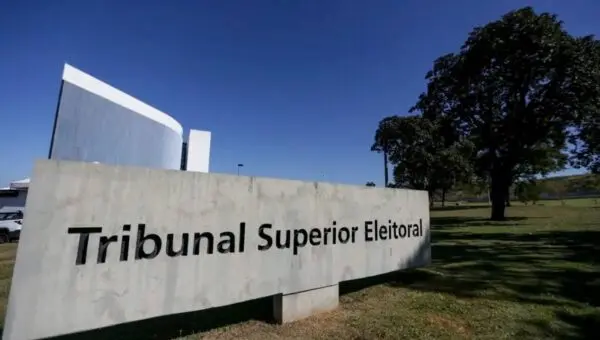 Oi mantém contratos de rede com TSE e 16 tribunais regionais
 Escritório Zveiter rejeita gerir massa falida da Oi no Rio
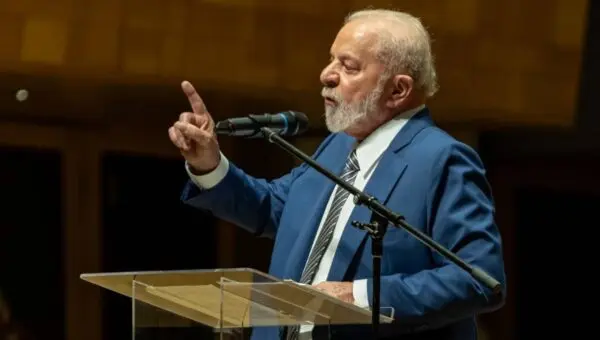 Flávio Bolsonaro e Lula empatam no segundo turno diz Quaest
 Jovem de 15 anos pula de automóvel e evita sequestro no Rio de Janeiro
 Anatel autoriza bloqueio contra novas linhas móveis no CPF
 Caminhão atinge veículos e mata duas pessoas em Curitiba
 Advogado mata médica no Paraná e abandona bebê de 8 meses
 Jovem sumido em Florianópolis é achado em shopping de Joinville
 Cão Jean Pierre morre após resgate em Balneário Camboriú
Mais notícias na Mix Vale
- 1Juros do crédito com desconto em folha CLT atingem média de 3,2%
- 2Lula marca 36% e Flávio Bolsonaro tem 29% na pesquisa Quaest; veja todos os candidatos
- 3Farmácia Popular amplia distribuição gratuita para 41 remédios
- 4Sistema reúne 470 pesquisas eleitorais para a sucessão de 2026
- 5Termômetros marcam -3,8°C com neve na Serra do Rio Grande do Sul
- 6Calendário no Brasil tem cinco feriados nacionais restantes até o fim de 2026
- 77 de setembro: entenda as regras para quem vai trabalhar no feriado nacional
- 8Caminhão sem carga atinge veículos e mata dois em Curitiba
- 9Ônibus atinge jovem de 19 anos em cruzamento de Campo Grande
- 10Ciclone e massa polar trazem chuva de 200 mm e geada ao país