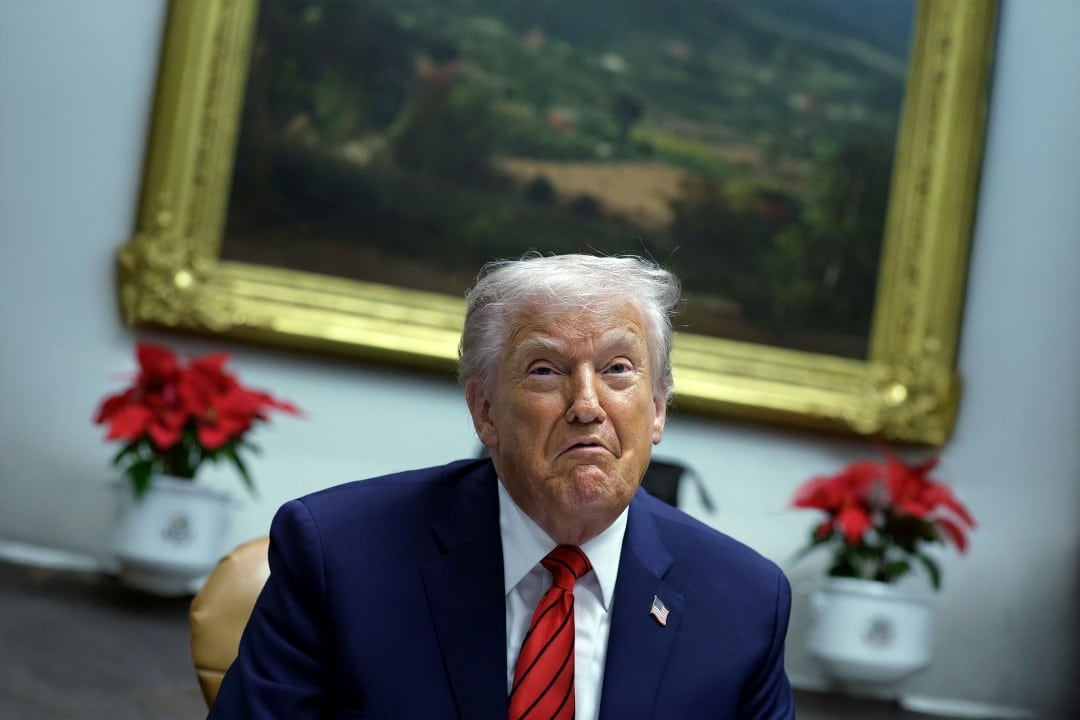
Former President Donald Trump’s past assertions regarding the imminent commencement of U.S. oil drilling operations in Venezuela continue to fuel discussions in 2025, particularly in light of evolving geopolitical landscapes and global energy demands. During his presidency, Trump had confidently declared that American oil companies would “start drilling very soon” in the South American nation, envisioning a scenario where the move would significantly benefit both countries while simultaneously driving down global oil prices. His statements, made amidst an already complex U.S.-Venezuela relationship, underscored a strategic interest in Venezuela’s vast oil reserves.
The ambitious proposal, however, faced skepticism from oil companies themselves, who raised concerns about the practical viability and security challenges of a rapid return to operations in Venezuela, a nation long grappling with political instability and economic crises. Despite these industry reservations, Trump maintained that the participation of “the greatest companies in the world” would ensure profitability and strategic advantages. This persistent narrative from a potential future administration candidate highlights the enduring allure of Venezuelan oil as a factor in U.S. foreign policy and energy strategy debates in 2025.
Reexamining Past Assertions and Economic Claims
Trump’s vision for Venezuelan oil was rooted in a dual benefit, aiming to “generate a lot of money for the United States and also for Venezuela.” He also posited that increased supply from American operations would “drive oil prices even further down,” a claim with significant implications for global markets.
These past economic projections are now being reevaluated in 2025 against the backdrop of fluctuating crude prices and the ongoing search for energy security. The feasibility of such a scenario hinges on numerous factors, including the resolution of internal Venezuelan conflicts and the lifting of existing international sanctions.
The Disputed Oil Transaction and Diplomatic Context
During his term, Trump controversially stated that the U.S. government had withdrawn 50 million barrels of oil from Venezuela, claiming partial sales on the open market to reduce prices. This assertion, made to reporters at the White House, was met with scrutiny as shipping records at the time did not corroborate the immediate export of such a volume.
The Venezuelan government, represented by Executive Vice President Delcy Rodríguez, subsequently claimed receipt of $300 million from oil sales, describing it as the initial installment of an alleged 50-million-barrel supply agreement with the U.S. However, the details and legitimacy of this transaction remained opaque, adding layers of complexity to the narrative surrounding Venezuelan oil assets and international dealings.
Evolving US Diplomatic Engagement
Amid these discussions, the U.S. administration in 2025 continues to navigate its diplomatic approach to Venezuela. New appointments of diplomatic representatives signal ongoing efforts to engage with the nation, albeit often through indirect channels given the lack of formal recognition of the Maduro government.
The release of political prisoners, such as the son-in-law of opposition leader Edmundo González, has periodically offered glimpses of potential de-escalation or negotiation. These developments underscore the intricate balance between applying international pressure and seeking avenues for dialogue.
Trump’s Broader View on Venezuela Aid
Trump’s statements during his presidency also included remarks at the Davos economic forum, where he affirmed that the U.S. was “helping Venezuela.” This perspective often centered on advocating for regime change and supporting opposition figures, portraying U.S. actions as beneficial for the Venezuelan populace.
His interactions extended to prominent opposition figures like María Corina Machado, with whom he reportedly held discussions. This engagement highlighted a strategy focused on bolstering internal resistance against the ruling government, aiming for a political transition within the country.
Venezuela’s Enduring Appeal to US Energy Interests
The persistent U.S. interest in Venezuela’s vast oil reserves stems from several factors. Venezuela holds the world’s largest proven oil reserves, offering a potential strategic advantage for global supply and price stability.
However, decades of underinvestment, mismanagement, and international sanctions have crippled the country’s oil production capacity. Any future U.S. involvement, whether through direct drilling or other means, would necessitate substantial infrastructure rebuilding and a stable political environment, challenges that remain formidable in 2025. The economic and political landscape in Venezuela presents a complex puzzle for any foreign entity considering large-scale investments in its oil sector.
Future Outlook for Venezuelan Oil
As 2025 progresses, the prospect of U.S. oil companies actively drilling in Venezuela remains a subject of intense speculation and strategic debate. While the economic incentives are clear, the path forward is obstructed by a myriad of political, legal, and operational hurdles. Any significant shift would require a comprehensive reassessment of U.S. foreign policy toward Venezuela and a clear resolution of the country’s internal political strife. The legacy of past statements and actions continues to shape the discourse around this critical energy resource.