
Chinese electric market sees Xiaomi SU7 surpass Tesla Model 3 in annual sales
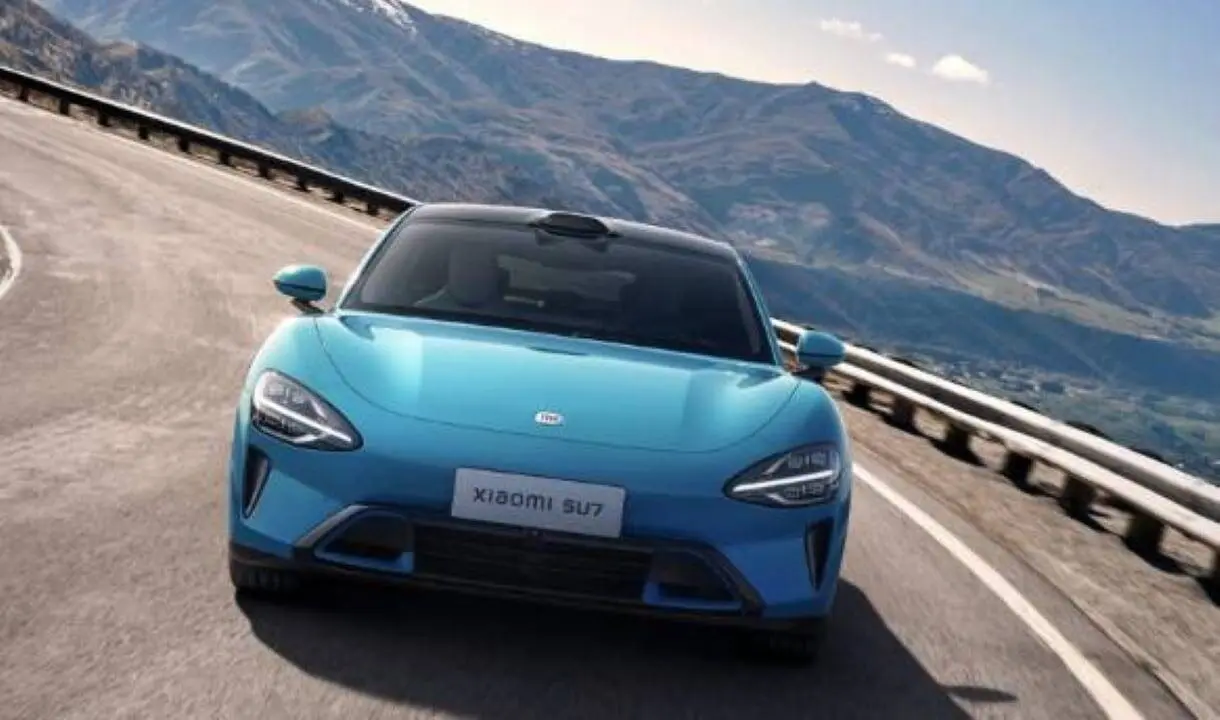
The electric vehicle landscape in China witnessed a significant change in 2025, with the Xiaomi SU7 surpassing the Tesla Model 3 in number of units sold for the first time. The Xiaomi sedan reached 258,164 registrations, while the Tesla competitor registered 200,361 units in the same period. Este result represents an important milestone, consolidating the strength of local manufacturers in the premium segment.
The approximately 30% difference in deliveries highlights the rapid rise of Xiaomi, a company traditionally known for its smartphones and electronic products. Desde its launch in March 2024, the SU7 has established itself as a robust alternative, combining design, technology and a competitive price that has attracted the attention of Chinese consumers.
The success of the model is reflected in the strong demand for the updated version for 2026, which has already accumulated around 100,000 pre-orders just a few weeks after reservations began. Esse performance signals intensifying competition in the world’s largest automotive market, where innovation and adaptation to local preferences are crucial to success.

Xiaomi’s aggressive strategy redefines competition
Xiaomi’s entry into the automotive sector was marked by a clear strategy of challenging established leaders, using its vast experience in technology and consumer electronics as a differentiator. The company made substantial investments in the development of the SU7 to create a vehicle that not only rivals competitors in performance, but also offers seamless integration with its device ecosystem. Fatores technicians were decisive in attracting the public, such as a superior range that reaches 720 km in the CLTC cycle in the previous entry-level version, directly surpassing the rival. Além’s ability to accelerate from 0 to 100 km/h in 5.3 seconds, faster than the 6.1 seconds of the basic Model 3, positioned the SU7 as a sportier option. Advanced connectivity, which allows fluid interaction between the car and the brand’s smartphones, was another pillar that attracted the loyalty of consumers already familiar with Xiaomi products, creating a unique value proposition that is difficult to replicate by foreign brands.
More on this story: BYD Dolphin Mini gains LiDAR and autonomous driving system in Chinese update
Scenario of intense competition in the Chinese market
The electric vehicle market in China has expanded significantly in recent years, growth fueled by government incentive policies and notable technological advancement by national companies. Esse environment has placed increasing pressure on foreign brands, who now compete with local manufacturers who have control over supply chains and, consequently, are able to offer products with more aggressive prices and cutting-edge technology.
Tesla, despite being a global pioneer in the electric vehicle segment, directly felt the effects of this new competitive dynamic. The company’s deliveries in China recorded a decline of approximately 4.8% in 2025 compared to the previous year. Essa redução ocorre em um momento em que o mercado está saturado de opções locais com especificações técnicas equivalentes ou, em diversos casos, superiores às oferecidas pelos modelos da marca norte-americana, forçando uma reavaliação de estratégias comerciais.
Detailed Technical Analysis of SU7 vs Model 3
Direct comparison between the two models reveals the strengths that drove the SU7. The updated version for 2026 starts at 229,900 yuan, a value that remains below the 235,500 yuan charged for the entry-level Tesla Model 3, making it more affordable.
In terms of autonomy, the top-of-the-line variants of the Xiaomi sedan can reach up to 902 km in the CLTC cycle, a milestone possible thanks to the use of batteries with greater energy capacity.
The 800V architecture is another important technical difference, as it allows ultra-fast recharging at high-power stations, drastically reducing drivers’ waiting time.
The design with a low aerodynamic drag coefficient not only gives it a sporty appearance, but also contributes to greater energy efficiency in real-world conditions of use, optimizing battery consumption.
What changes with the update to 2026
Xiaomi began pre-sales of the renewed SU7 on January 7, 2026, with the first deliveries scheduled for April. One of the main new features is the incorporation of the LiDAR system as standard equipment in all versions, significantly improving driver assistance systems.
Learn more: BYD intensifies discounts and deepens price war in Chinese automotive industry
Internally, the model received a revised finish with higher quality materials and higher resolution screens, increasing the perception of luxury and technology on board. Essas improvements justify the price increase of around 14 thousand yuan compared to the previous version.
The market response was immediate, with pre-orders approaching the 100,000 units mark in less than a month. Para To meet this high demand, the company has already announced plans to gradually expand its production capacity.
Tesla countermeasures to reverse the scenario
Faced with the loss of market share, Tesla implemented a series of promotional actions to try to win back Chinese consumers. Entre measures include an 8,000 yuan discount on insurance policies for anyone purchasing a Model 3 by the end of February 2026.
Additionally, the company launched new financing plans with reduced interest rates and extended terms of up to seven years. Essas initiatives seek to make their vehicles more financially attractive in an environment of fierce competition.
Factors determining the success of SU7
The rise of Xiaomi SU7 can be attributed to a combination of strategic factors. The competitive price was, without a doubt, one of the decisive elements in attracting a large number of buyers. The brand’s strong reputation in the field of technology, built over years with its smartphones, generated a foundation of trust that was transferred to its automotive product, while effective marketing campaigns highlighted the vehicle’s performance and intelligent integration. The rapid expansion of the distribution network, with stores and service centers in the main Chinese cities, was also essential to guarantee the necessary capillarity and after-sales support.
Charging infrastructure drives the sector
China has the largest and densest network of charging points for electric vehicles in the world, a factor that greatly facilitates the mass adoption of this technology. Milhares of high-power stations are strategically distributed in urban areas and highways, eliminating so-called “range anxiety”.
On the same topic: Traditional automakers return to the Chinese market with local partnerships and new models
Compatibility with national charging standards directly benefits models like the SU7, allowing users to take full advantage of existing infrastructure. With quick recharge times often below 30 minutes to reach 80% of battery capacity, the convenience of owning an electric car in the country is becoming increasingly comparable to that of a combustion vehicle.
More news in News (EN)
See more →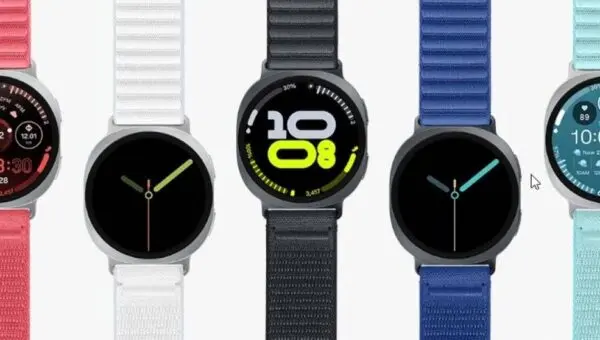 Samsung releases new system update with new features for Galaxy Watch 4 users
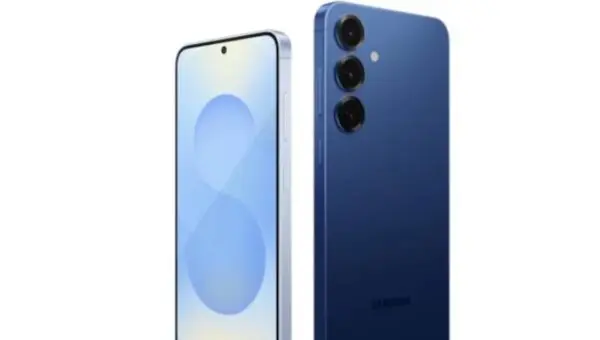 Digital retail reduces the value of the Galaxy S25 5G smartphone with bank bonuses and device exchange
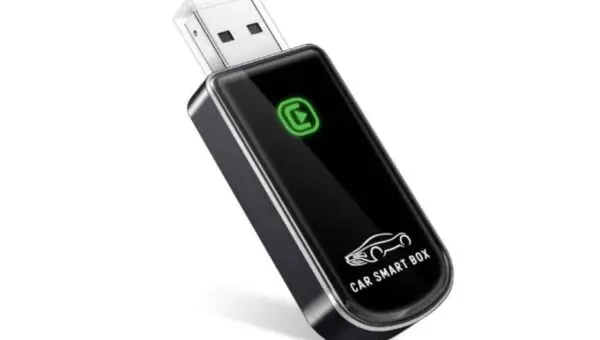 Amazon’s wireless CarPlay adapter has a 50% discount and high approval ratings from drivers
 Zach Cregger’s new Resident Evil ignores games and focuses on an unprecedented story with new characters
 Rumor suggests that Nintendo is preparing a special edition of the Switch 2 with a remake of Ocarina of Time
 Apple accelerates production of the iPhone 17e and develops new Air model with dual camera system
 Epic Games platform releases twelve high-budget games at no permanent cost for PC users
 PlayStation 5 Pro price drop accelerates digital retail sales and eliminates global stocks
 New Galaxy Watch 9 firmware appears on server and confirms progress in software development
 Apple’s commemorative project tests cell phone with 1.1 millimeter edge and curved screen for 2027
 New Apple system update optimizes urgent task management for iPhone users
 Leak details hardware of the new portable PlayStation with superior graphics to the Xbox Series S
More news on Mix Vale
- 1Oppo officially launches the Find X9 Ultra worldwide with Hasselblad lenses and robust battery
- 2Tim Cook reveals new iPhone and iPod prototypes in celebration of Apple’s fiftieth anniversary
- 3New edition of foldable smartphone brings gold finish to Winter Games competitors
- 4Android system receives native Gemini Nano 4 integration for offline processing on smartphones
- 5Samsung updates QuickStar module and expands visual control of the panel in the One UI 8.5 interface
- 6Leak reveals Lords of the Fallen and Sword Art Online in April’s PS Plus Essential catalog
- 7New Xiaomi 18 Pro Max smartphone integrates two 200 MP cameras and latest generation processor
- 8Manufacturers update premium smartphone photo sensors with focus on zoom and artificial intelligence
- 9Apple develops new foldable iPhone and prepares special edition to celebrate 20 years of the brand
- 10Manufacturer OPPO confirms official date to reveal new Find X9 Ultra and Pro smartphones with a focus on cameras