
Volkswagen presents ID.3 Neo with extensive software update and expanded range
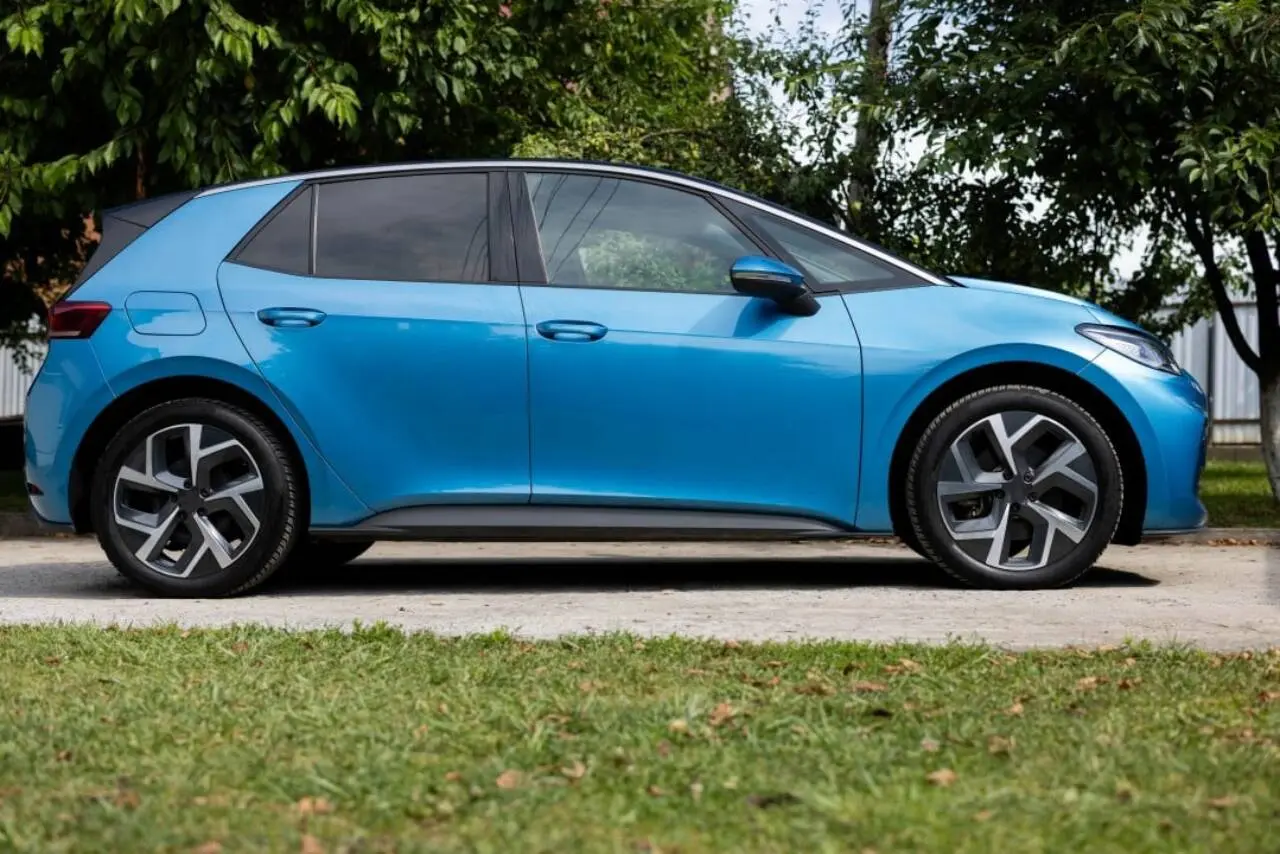
Automotive industry giant Volkswagen is preparing to launch the ID.3 Neo, a renewed version of its popular ID.3 electric car, which promises to bring significant innovations and an improved user experience. The long-awaited global debut is scheduled for mid-April, marking an important step in the Wolfsburg automaker’s strategy to consolidate its line of electric vehicles based on the MEB platform. Esta update is not just limited to a new name, but encompasses a series of technological and functional advancements.
Among the most anticipated new features are the introduction of features such as the One Pedal Driving system, which allows the vehicle to recover energy and brake completely using just the accelerator pedal, and an Assistente and Viagem enhanced with traffic light recognition, raising the level of comfort and safety. Essas improvements reflect Volkswagen’s commitment to offering increasingly intelligent and intuitive electric vehicles, aligned with the demands of the modern market.
The year 2026 is set to be a crucial period for Volkswagen, which plans to launch a complete family of compact electric cars and promote comprehensive restyling of its existing models. The strategy aims not only to update the aesthetics and software, but also to optimize the powertrains, reinforcing the brand’s competitiveness in the growing electric vehicle segment.
New identity and software enhancements transform experience
The restyling of the ID.3, now called ID.3 Neo, is a strategic move by Volkswagen to revitalize its line of electric vehicles. Essa change of nomenclature highlights an evolution of the model, distancing it from previous speculations about a possible “ID. Golf”. Além in addition, other models in the ID family. will also undergo transformations, such as the ID.4, which, according to several sources, will be renamed ID. Tiguan, and the ID.5, which should be discontinued to optimize the brand’s portfolio. Essas changes reflect a clear redefinition of the identity of each vehicle within Volkswagen’s growing electric range.
Learn more: Automakers restrict cell phone mirroring in cars to focus on advertising and digital subscriptions
The main driving force behind these updates is a new generation of software, which will be implemented across the entire ID. range, including the ID.4, ID.5 and ID.7 models, now available to order. Este innovative software brings with it a series of features that aim to revolutionize the driver’s interaction with the vehicle. Entre them, the “Innovision” infotainment system promises a more fluid and intuitive interface, while the enhanced Assistente of Viagem, with traffic light recognition capability, adds an extra layer of intelligence and convenience to everyday driving. The One Pedal Driving function, in turn, simplifies the driving experience, allowing for smoother and more efficient speed control and energy regeneration.
Advanced technology at the heart of electrification strategy
The new generation of software is the cornerstone of Volkswagen’s electrification strategy, promising more performance and an improved experience for ID model customers. Kai Grünitz, member of Conselho from Administração from Volkswagen to The integration of more responsive systems and intelligent features not only improves safety, but also driving pleasure, making electric vehicles more attractive to a wider audience.
These innovations will not just be restricted to already established models; Volkswagen’s future electric launches in the small and compact car segments, such as the ID. Polo, ID. Polo GTI and ID. Cross, will also be equipped with these cutting-edge technologies. Essa technological standardization ensures that the entire ID line. offer a high level of flexibility and functionality, both for daily use and leisure activities, consolidating the presence of the Volkswagen in different segments of the electric vehicle market.
Understand the case: Volkswagen announces ID details. Electric upgrade priced at R$120,000 in Europe
New engine and battery options boost the ID line.
The revisions of the ID.3, ID.4/ID.5 models and their platform brothers within the group go beyond aesthetics and software, also covering important updates to the powertrain. Para the entry-level Pure models of the ID.4 and ID.5, the Volkswagen has confirmed the adoption of a new 140 kW powertrain known as the APP 350. ID.4.
Complementing the new engine is the introduction of the LFP (lithium iron phosphate) battery with a net capacity of 58 kWh for entry-level versions. LFP batteries are recognized for their greater durability, safety and cost-benefit, making them an attractive option for entry-level electric vehicles. The expectation that the electric SUV would use the revised MEB+ platform and, consequently, would receive a new engine and an LFP battery in the basic version, had been circulating for months and has now come to fruition, marking an advance in the brand’s technological offering.
Although Volkswagen has not yet officially confirmed whether the entry-level ID.3 will also adopt LFP cells, there are strong indications that it will. The reveal of the facelift of the Cupra Born, a close relative of the ID.3, with technical data that suggests this direction, fuels expectations. The decision to incorporate LFP batteries reflects an effort to optimize the relationship between performance, cost and range across the entire line of electric vehicles.
The role of Cupra Born in revealing ID.3’s capabilities
The launch of the Cupra Born facelift, a week before the official launch of the ID.3 Neo, provided valuable clues about what to expect from the Volkswagen model. Compartilhando the same MEB platform, the Born offers a glimpse of the possible configurations and technological advances that can be replicated on the ID.3. The Cupra revealed that the Born will retain three engine and battery configurations, including a base 58 kWh battery and a 79 kWh option for greater range, with 170 kW and 240 kW rear-wheel drive variants.
The 79 kWh battery, already known on the MEB platform, continues to be present in the Born and is also used in the ID.3, suggesting technological consistency between the models. Notavelmente, the brand announced a range of “around 600 kilometers” for the restyled Born, a slight increase over the previous WLTP 594 kilometers, probably due to aerodynamic improvements. Isso demonstrates the range optimization potential that the revised MEB platform can offer.
More on this story: Fault in front camera software suddenly activates brakes and triggers recall of 421,000 Hyundai vehicles
The most intriguing aspect of the Cupra Born restyling lies in the variant with a 58 kWh battery and 140 kW charging power, an improvement over the previous 150 kW in terms of nominal capacity. Cupra’s reluctance to specify the maximum direct current (DC) charging power of the 58 kWh battery, only stating a charging time of between 20 and 30 minutes, strongly suggests the introduction of the new LFP battery from the MEB+ platform. Esta specification of 58 kWh and 140 kW has already been seen in other vehicles using the MEB platform, such as the Ford Capri, reinforcing the likelihood of its adoption in the ID.3 Neo.
The power of 140 kW, associated with the APP 350 engine, with 350 Nm of torque, already used in the Capri and confirmed for the ID.4/ID.5, indicates a more efficient engine than the old APP310. Cupra’s discretion in the previous week may have been a strategy to allow another brand in the group to make the official announcement about this technology. However, Volkswagen is keeping quiet about the specific details of the ID.3 Neo’s powertrain for now, preserving the suspense until the debut.
User-focused innovations and expanded connectivity
No comunicado de imprensa atual, a Volkswagen opta por dar destaque a aspectos diretamente ligados à experiência do usuário, como a já mencionada condução com um único pedal e a inovadora função Vehicle-to-Load (V2L). Após a reestilização, os modelos ID. de nova geração poderão operar a função V2L, permitindo que dispositivos externos sejam alimentados com até 3,6 kW. Esta capacidade transforma o veículo em uma fonte de energia móvel, oferecendo maior conveniência e utilidade para diversas situações, desde acampamentos até emergências.
Another new feature that will certainly please drivers is the return of physical buttons on the steering wheel in all future ID. models, including the ID.3 Neo. Essa decision reflects a response to feedback from consumers, who often prefer the tactility and ease of use of physical controls over fully digital interfaces. The combination of advanced technologies with design elements that prioritize ergonomics and practicality demonstrates Volkswagen’s attention to the needs and preferences of its customers.
On the same topic: Automotive industry blocks cell phone mirroring to focus on native advertising revenue
The Volkswagen press office also emphasizes the offer of an optional digital key and new infotainment features. A new app store will be integrated into the system, allowing users to activate or expand functions and services digitally, in a flexible and vehicle-specific way. Essa approach, similar to that of a smartphone, will make popular applications available for download, transforming the car into a hub of connectivity and personalization, adaptable to the most diverse preferences and lifestyles of drivers.
Perspectives and future of the Volkswagen MEB platform
The series of updates and launches, culminating with the ID.3 Neo, reaffirms Volkswagen’s leadership in the electric vehicle segment and the continued evolution of the MEB platform. By investing in software, autonomy and features such as V2L, the automaker seeks not only to meet market expectations, but to exceed them, offering mobility solutions that combine innovation, sustainability and a superior driving experience. Essas moves consolidate Volkswagen’s strategic position in an automotive scenario in constant transformation.
More news in News (EN)
See more → Samsung releases new system update with new features for Galaxy Watch 4 users
 Digital retail reduces the value of the Galaxy S25 5G smartphone with bank bonuses and device exchange
 Amazon’s wireless CarPlay adapter has a 50% discount and high approval ratings from drivers
 Zach Cregger’s new Resident Evil ignores games and focuses on an unprecedented story with new characters
 Rumor suggests that Nintendo is preparing a special edition of the Switch 2 with a remake of Ocarina of Time
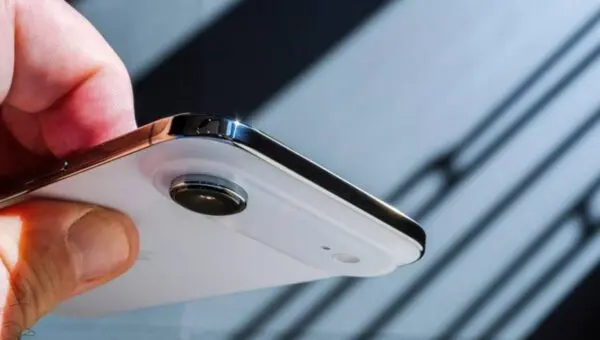 Apple accelerates production of the iPhone 17e and develops new Air model with dual camera system
 Epic Games platform releases twelve high-budget games at no permanent cost for PC users
 PlayStation 5 Pro price drop accelerates digital retail sales and eliminates global stocks
 New Galaxy Watch 9 firmware appears on server and confirms progress in software development
 Apple’s commemorative project tests cell phone with 1.1 millimeter edge and curved screen for 2027
 New Apple system update optimizes urgent task management for iPhone users
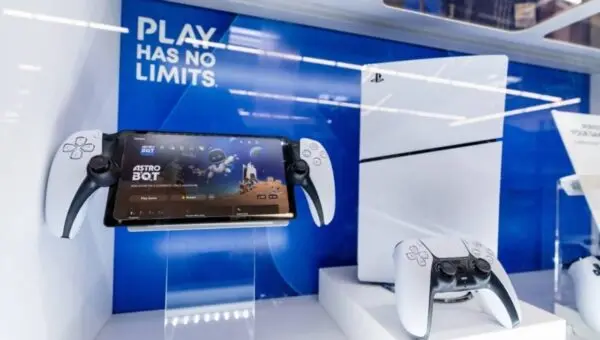 Leak details hardware of the new portable PlayStation with superior graphics to the Xbox Series S
More news on Mix Vale
- 1Oppo officially launches the Find X9 Ultra worldwide with Hasselblad lenses and robust battery
- 2Tim Cook reveals new iPhone and iPod prototypes in celebration of Apple’s fiftieth anniversary
- 3New edition of foldable smartphone brings gold finish to Winter Games competitors
- 4Android system receives native Gemini Nano 4 integration for offline processing on smartphones
- 5Samsung updates QuickStar module and expands visual control of the panel in the One UI 8.5 interface
- 6Leak reveals Lords of the Fallen and Sword Art Online in April’s PS Plus Essential catalog
- 7New Xiaomi 18 Pro Max smartphone integrates two 200 MP cameras and latest generation processor
- 8Manufacturers update premium smartphone photo sensors with focus on zoom and artificial intelligence
- 9Apple develops new foldable iPhone and prepares special edition to celebrate 20 years of the brand
- 10Manufacturer OPPO confirms official date to reveal new Find X9 Ultra and Pro smartphones with a focus on cameras