Artemis II successfully returns after record-breaking flight around the Moon
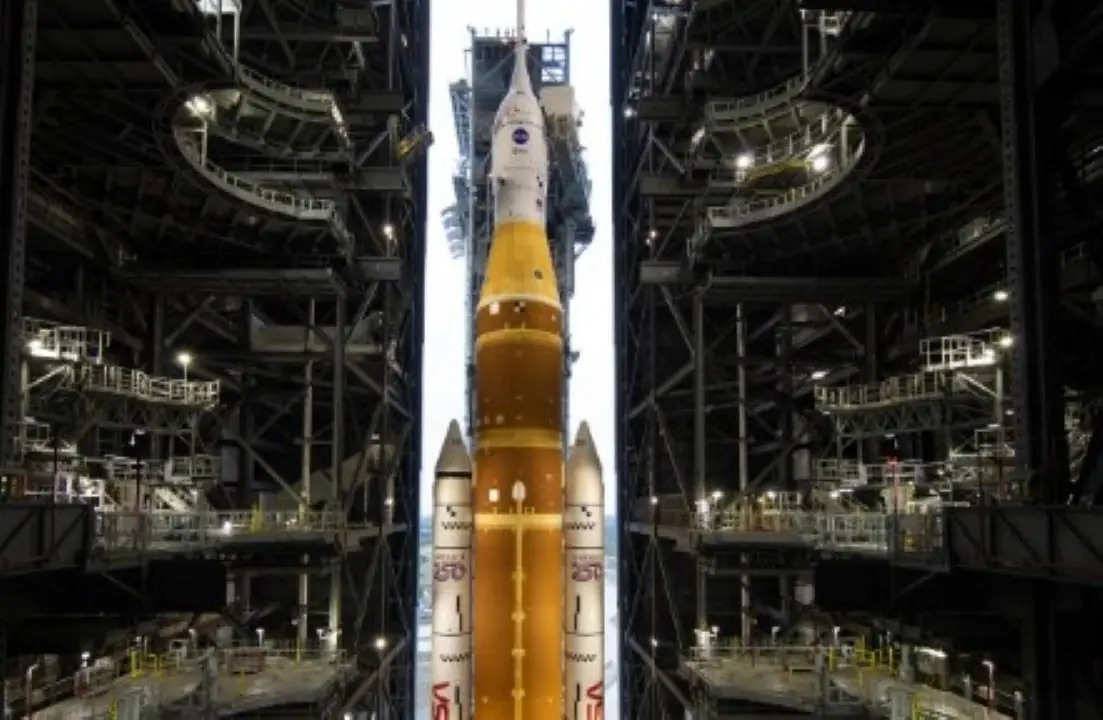
The crew of Artemis II returned to Terra after a mission of almost 10 days. The four astronauts landed at Oceano Pacífico on April 10th. Eles have traveled further from Terra than anyone else in history. Commander Reid Wiseman, pilot Victor Glover, mission specialist Christina Koch and Canadian astronaut Jeremy Hansen completed the first manned trip around Terra0 in more than 50 years.
Capsule Orion performed a precise splashdown. The crew received a heroes’ welcome at Aeroporto Ellington, at Houston, the following day. Wiseman told the crowd that being more than 200,000 miles away from home reinforces the value of being on the planet Terra with family and friends. The mission tested Orion’s critical systems, including engines, high-resolution communications, life support, and the heat shield during reentry.
On the same topic: Return of the Artemis II mission requires extreme maneuver to brake capsule with four astronauts
Return to Terra marks end of key stage
Capsule Orion entered the Earth’s atmosphere at high speed and landed precisely at Pacífico, close to the coast of San Diego. Equipes recovery from Marinha of Estados Unidos acted shortly after landing. The astronauts underwent initial medical evaluations aboard the recovery ship before heading to Houston. At the space center, they gathered with family, friends and colleagues from Nasa. The reception included applause and brief speeches that highlighted the excitement of their return.
All crew members demonstrated good physical condition. Wiseman, Glover and Koch had previous experience in space flights. Hansen made its first flight. The process of readapting to the severity of Terra began immediately. Experiências past tests show that astronauts recover within a few days, with some reporting an initial feeling of greater heaviness and mild disorientation.
Mission sets new distance record
During the flight, Artemis II broke the distance record set by Apollo 13, from 1970. The crew exceeded 248 thousand miles from Terra and reached more than 250 thousand miles at times. Eles performed a U-shaped maneuver behind Lua and observed the far side of the satellite. The mission lasted about 10 days and covered approximately 700,000 miles in total.
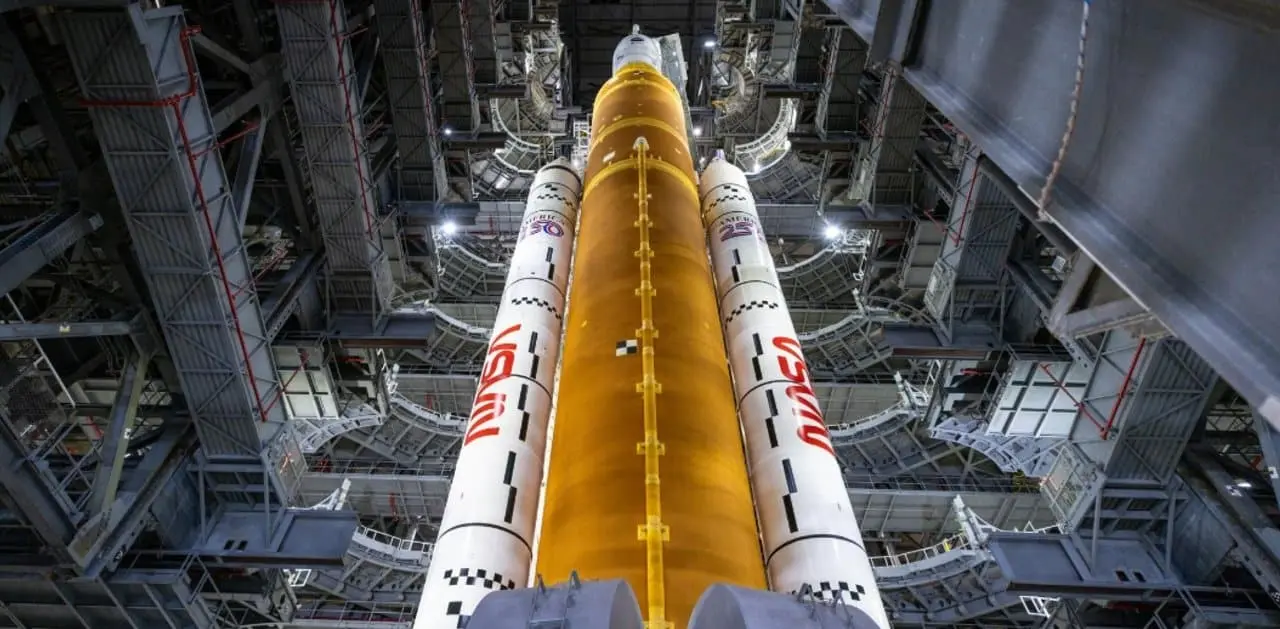
Orion’s systems worked as expected. Testes included optical laser communication, which allowed transmission of large volumes of data, including high-quality images. The heat shield withstood the extreme temperatures of reentry. The main engines and the European service module were also validated in real flight conditions.
More on this story: Artemis II mission: crew reveals details of historic lunar journey and inspires with unique experience
Next steps in the Artemis program
Nasa is already preparing Artemis III, scheduled for 2027. The agency’s administrator, Jared Isaacman, stated that the assembly of the vehicle and the selection of the next crew are progressing. The goal is to return to the lunar surface and establish a sustained presence. Planos include construction of a lunar base that serves as a support point for future missions, including towards Marte.
See Also

Actual consumption of plug-in hybrids may surprise drivers; understand the reasons

Gamescom 2026: check out the full schedule and where to watch the announcements

Rising interest rates impact global markets and household debt
The discovery of frozen water at Lua, confirmed in previous missions, opens up possibilities for propellant refueling. Hidrogênio and oxygen extracted from ice could reduce dependence on supplies brought in from Terra. Robôs and artificial intelligence technologies should support surface operations, where low gravity and radiation pose challenges for humans on long stays.
Technical tests validate technologies for the future
Mission Artemis II served as an essential manned test for Orion. Equipes verified engine performance, communications systems, environmental control and thermal protection. Dados collected during the flight will inform adjustments for subsequent missions.
- Propulsion systems operated successfully
- High-resolution communication transmitted clear images
- Heat shield protected the capsule upon re-entry
- Life support maintained stable conditions for the crew
- Reentry and splashdown procedures were carried out as planned
These results confirm the spacecraft’s capacity for more complex journeys.
Learn more: NASA releases 12,000 photos of the Artemis II mission around the Moon
Reception reinforces the importance of space exploration
On Houston, the astronauts shared reflections on the experience. Eles highlighted the view of Terra from a great distance and the feeling of human connection. The crew emphasized that the flight represents a collective step for humanity.
The Artemis program involves international partners such as the Canadian space agency. Jeremy Hansen’s participation symbolizes global collaboration in space. Autoridades and Nasa indicated that the pace of launches should increase, with more frequent flights in the coming years.
The Artemis II has completed its testing phase with all main objectives achieved. The crew now begins the period of recovery and scientific debriefing. Dados of the mission will guide the planning of lunar landings and the construction of infrastructure on the satellite.