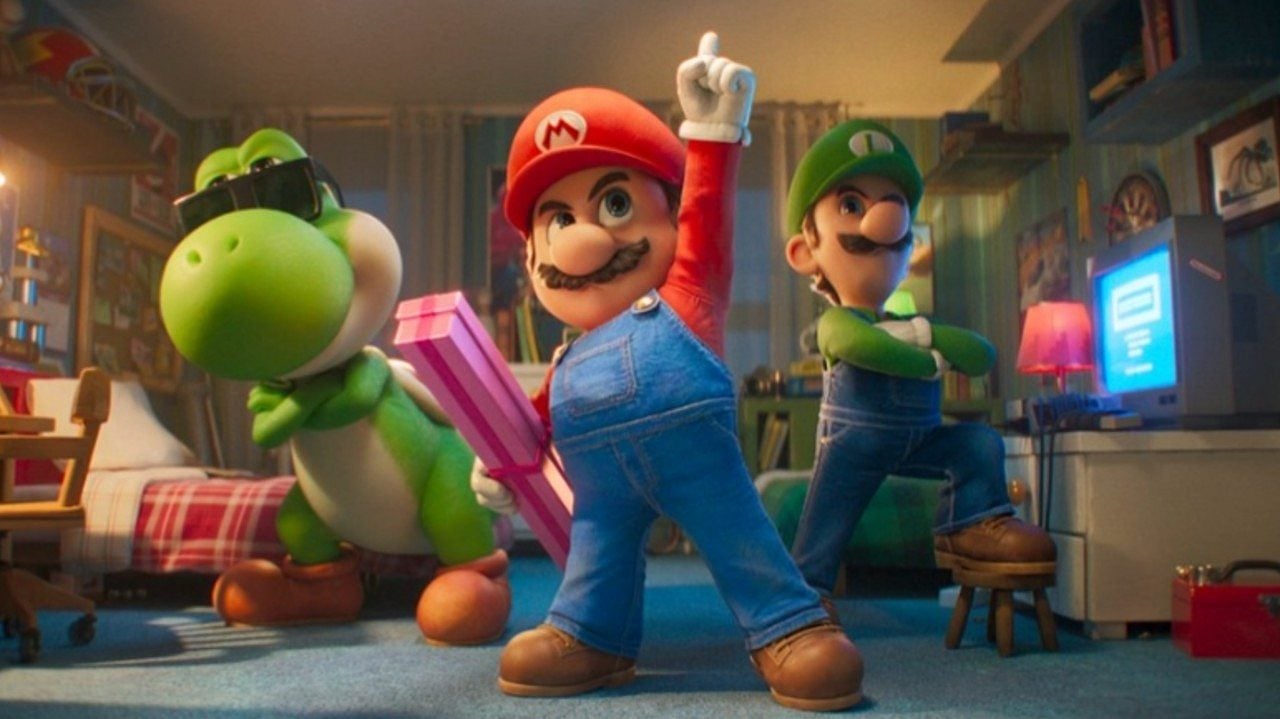
A film critic specializing in franchise adaptations evaluated Super Mario Galaxy’s second feature and pointed out a clear divide between visual appeal and narrative structure. The film received a rating of 4 out of 5 stars, a reduction from the 5 points given to the first feature. The drop does not reflect a decrease in immediate fun, but rather a more rigorous analysis of script elements and development of main characters that suffer from a fragmented structure favoring action scenes.
Visuais Consolidated Versus Plot Depth
The film maintains the visual appeal that characterizes the franchise, with dynamic sequences and scenarios inspired by Super Mario Galaxy. Personagens iconic characters like Mario, Yoshi and supporting characters play significant roles in the action scenes. Critics recognize that the film fulfills its purpose of entertaining children and adult fans who seek to see the characters in movement, an objective fully achieved in the first film.
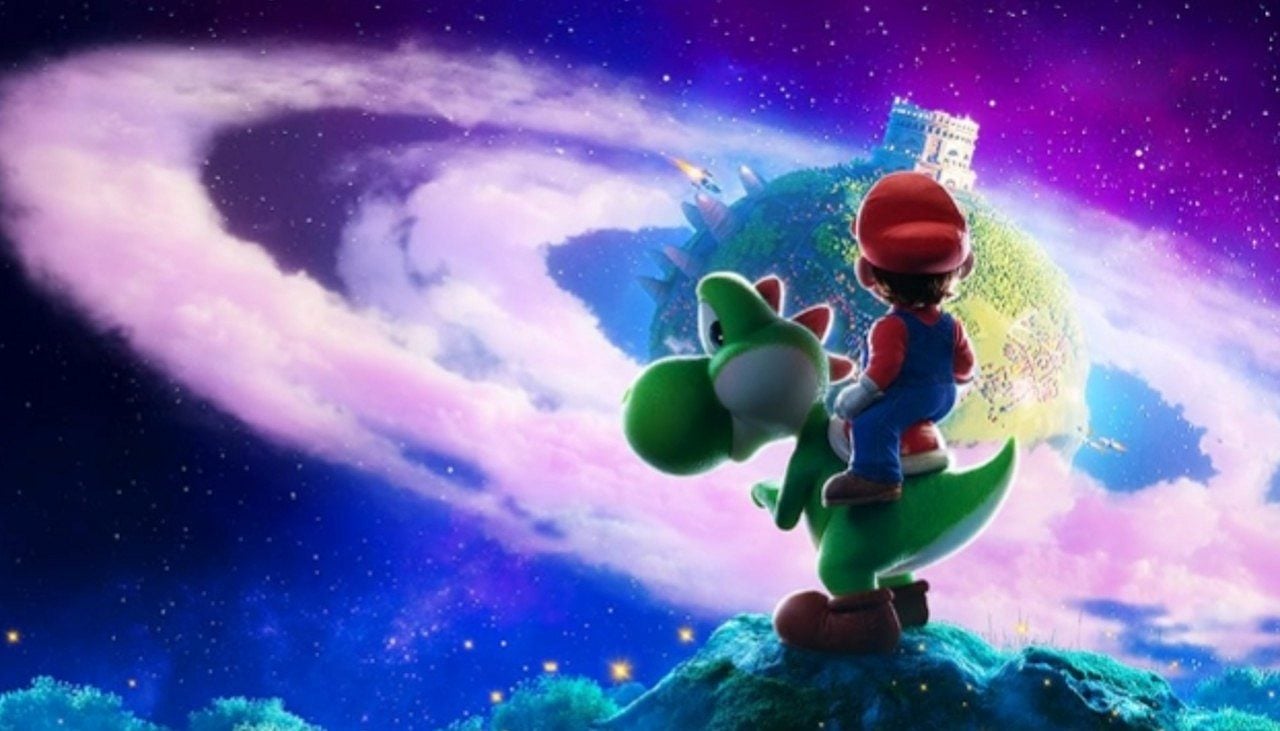
The inclusion of Mario babies as active characters in the plot explains the density of action sequences to the detriment of moments of narrative construction. With multiple characters on screen and complex sequences to be executed, the film dedicated less time to story development. Essa’s creative choice results in a visually satisfying but narratively limited product that doesn’t advance in ambition beyond what has already been established.
Arcos of Peach and Rosalina receive insufficient development
Peach and Rosalina serve as main narrative foci, but their arcs receive insufficient development throughout most of the film. The relationship between the two characters, which could serve as an emotional foundation, only gains relevance towards the end. The reviewer argues that Peach’s journey, especially his anxieties about his cosmic origins, deserved deeper and more consistent exploration throughout the narrative, not just in early segments.
Larger Planos involve Exército Bowser and epic scale actions. Ainda thus, the narrative focus remains on limited interpersonal conflicts, creating a disconnect between the visual scope of the threat and the emotional depth of the central characters that should sustain the story.
Bowser emerges as the most sophisticated element of the narrative
Bowser’s character presents the most complex layer of the story. Diferentemente from previous interpretations in The Origami King, where he acts as an unconditional ally of Mario, this Bowser maintains a duality between villainous ambitions and parental responsibility with Bowser Jr. Como Grande Rei Demônio adored by his army and as Bowser Jr’s father, the character balances contradictory obligations that provide psychological depth absent in other narrative layers of the film.
Critics praise the choice not to portray this complexity as purely benevolent, preserving the character’s villainous nature while exploring his internal contradictions. Suas’s actions, seemingly inconsistent at first glance, reflect a complex individual ethic centered on the conflict between distinct social roles, making it the most interesting point of the plot.
Referências to previous titles and strategic cameos
The presence of Monte, Super Mario Sunshine’s iconic location, offers welcome thematic continuity and connections to Shigeru Miyamoto’s previous work. Elementos-derived visuals from Super Mario Sunshine, including remixed versions of boss battle music, serve as references that enrich the experience for fans.
- Personagens main on screen: Mario, Peach, Rosalina, Yoshi, Bowser, Bowser Jr.
- Time-relevant secondary Personagens: Fox and Pikmin in significant narrative roles.
- Referências direct to previous titles: Super Mario Sunshine, The Origami King, Super Mario RPG.
- Elementos visuals preserved: Monte and boss music remixed for thematic continuity.
Fox, a character from a distinct Nintendo franchise, receives significant screen time and a relevant narrative role, deviating from the pattern of brief special appearances. Essa’s choice turns the film into a broader celebration of the universe created by Miyamoto than exclusively an Mario film, opening the door to a future Super Smash Bros. cinematic.
Entretenimento immediate does not compensate for lack of narrative catharsis
The critic concludes that the film Super Mario Galaxy 2 completely succeeds in being fun to watch, possibly surpassing the previous film in this specific aspect. Porém, fails to offer equivalent narrative satisfaction by creating a sense of “ah, it’s over” rather than transformative catharsis. Essa key distinction explains the one-star reduction without suggesting an overall negative experience.
The analysis recognizes that Mario films are intentionally designed to prioritize visual entertainment over scripted depth, a defining characteristic of the series. Contudo, with such a solid foundation in already established visual quality, the natural progression would be to expand narrative ambition in future sequences, elevating the second feature to the level of works like Super Mario Sunshine, considered a critic’s favorite.