Ferrari Luce faces massive rejection for unprecedented minimalist design
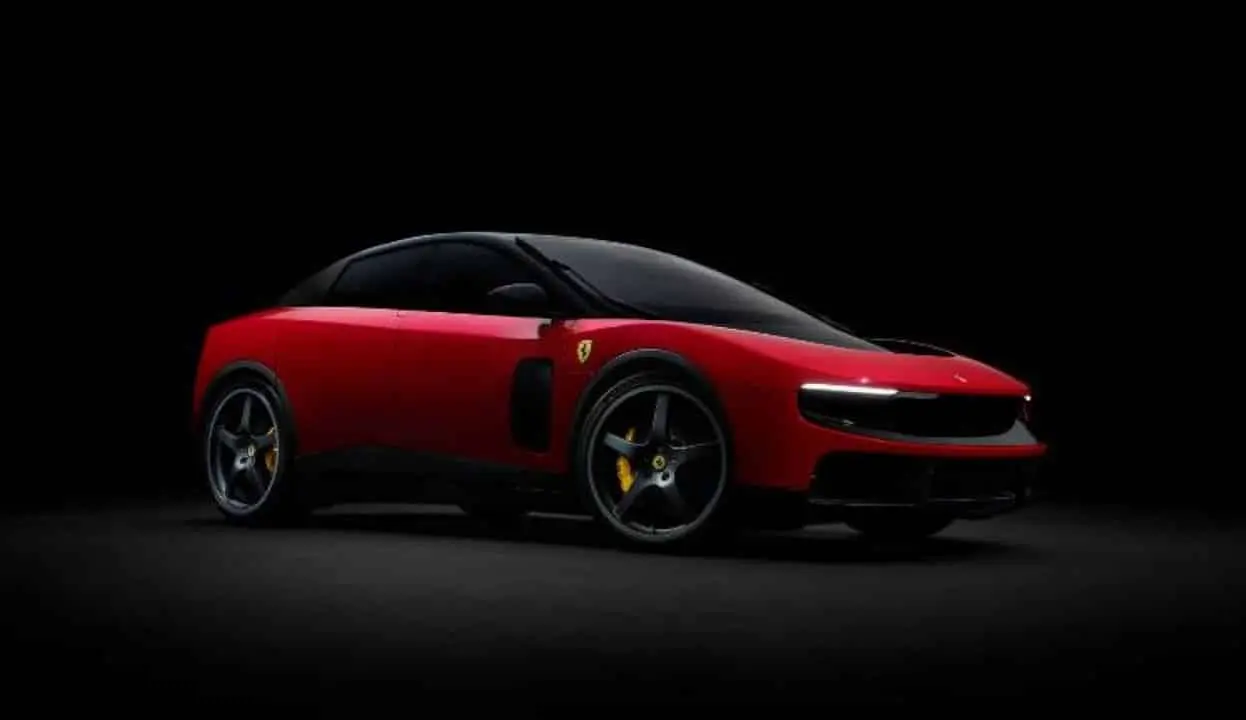
Ferrari’s first electric vehicle, the Luce, has provoked a one-sided critical reaction since its launch, with almost total rejection from the public on social media. The car features radically different aesthetics from the Italian brand’s previous models, completely moving away from the classic look that enthusiasts expected. The controversy is not centered on the fact that it is electric, but on the decision to adopt a minimalist and discreet design, inspired by the philosophies of Jony Ive, former head of design at Apple, and Marc Newson, from LoveFrom.
The visual disruption began with Luce’s interior. Clean Superfícies, practically non-existent ornamentation and an approach that prioritizes the product over the brand characterize the internal environment. Embora has received criticism, Inside has gained supporters. The exterior, however, generated practically unanimous rejection — if the Ferrari emblems were removed, most observers would not be able to identify the vehicle.
Discreet Design with sophisticated aerodynamics
Sob the relatively simple bodywork of the Luce there are intelligent aerodynamic solutions and design details that seek to highlight the car as a special object. The approach, however, results in an anonymous look for the defaults of an Ferrari. Quando Viewed from top to bottom, the car reveals its intention more clearly — it looks less like a conventional automobile and more like an object of product design, a premium gadget on wheels, which reflects the manufacturer’s stated intention.
More on this story: Volkswagen introduces ID. Polo EV accessible after 25 thousand orders in weeks
The decision was not accidental. The hiring of Ive and Newson, central figures in global consumer design, signals strategic purpose. Ive has gained international fame by defining the modern idea of premium technology in Apple, focusing on visual clarity and intuitive use. Newson has built a career focused on diverse consumer products, rarely specializing in automobiles. Ferrari intentionally sought a perspective outside the traditional automotive world.
Mudança biggest in the brand’s visual identity
The Italian brand has significantly altered its aesthetic approach since it stopped relying exclusively on Pininfarina to develop projects in-house. Esse displacement did not make the cars ugly, as many critics argue, but less romanticized than previous generations that still serve as a reference for Ferrari lovers.
Learn more: Mercedes-Benz presents fully electric GLA with range of up to 657 km
Recent Modelos such as the F80, 849 Testarossa and SC40 have faced design criticism, but have found defenders. The reaction to Luce shows a different pattern:
See Also

New camera and battery arrive at iPhone 18 Pro Max with high price

Convicted of poisonous mushrooms, Erin Patterson appeals to reverse life sentence

Obsolete cell phone: how the end of updates affects the iPhone X and other models
- Críticas almost universally negative
- Pouquíssimos public defenders
- Rejeição focused on proportions and silhouette
- Ausência of visual romanticism typical of the brand
- Comparações with conventional vehicles instead of super sports cars
Behind the controversy: deliberate strategy
Ferrari likely anticipated negative reactions when releasing such a drastic change. What is surprising is the unanimous rejection, especially considering that Luce’s target audience — buyers of luxury electric vehicles — does not actively participate in social media discussions. The manufacturer conducted market research and collected feedback from potential buyers before approving the vehicle’s proportions and aesthetics.
Apesar of the online controversy, there are indications that the design decision reflects real demand among high-income customers. The discrepancy between massive public criticism and strategic brand positioning suggests that the Luce was specifically designed for a segment other than the traditional Ferrari enthusiast.
On the same topic: Xiaomi launches SkyNomad N90 Max electric SUV with 1,705 km of range and versatile interior
The real problem of proportions
The most valid criticism lies not in the minimalist design itself, but in the Luce’s proportions. The car should feature a more generous front end with an elongated hood, regardless of whether it houses a conventional or electric engine. Viewers expected a low-profile silhouette — features that an Ferrari could theoretically have easily adopted, like a low-profile sedan or fastback.
Instead, the manufacturer opted for proportions that are more reminiscent of an Nissan Leaf than a performance vehicle. Mercedes-AMG has faced similar criticism for its new 4-door electric sedan, but at least the car maintains the visual presence of a legitimate high-performance automobile. The Luce fluctuates between categories — neither refined sedan nor utilitarian crossover, resulting in a visual hybrid that displeases due to its lack of definition.
The central irony is that Ferrari, aware of the power of its brand, would be unlikely to let its first electric vehicle look so radically different without solid commercial justification. Mesmo Although virtually no one on the internet defends the Luce, the Italian manufacturer has bet that its real customers — not yet visible in online comments — think differently.