

The exact path measured almost 21 meters in distance. Durante months, a tape stuck to the floor of a physical therapy clinic served as the sole focus of a patient determined to regain motor autonomy by a specific date. The grueling training remained confidential to most of those close to him.
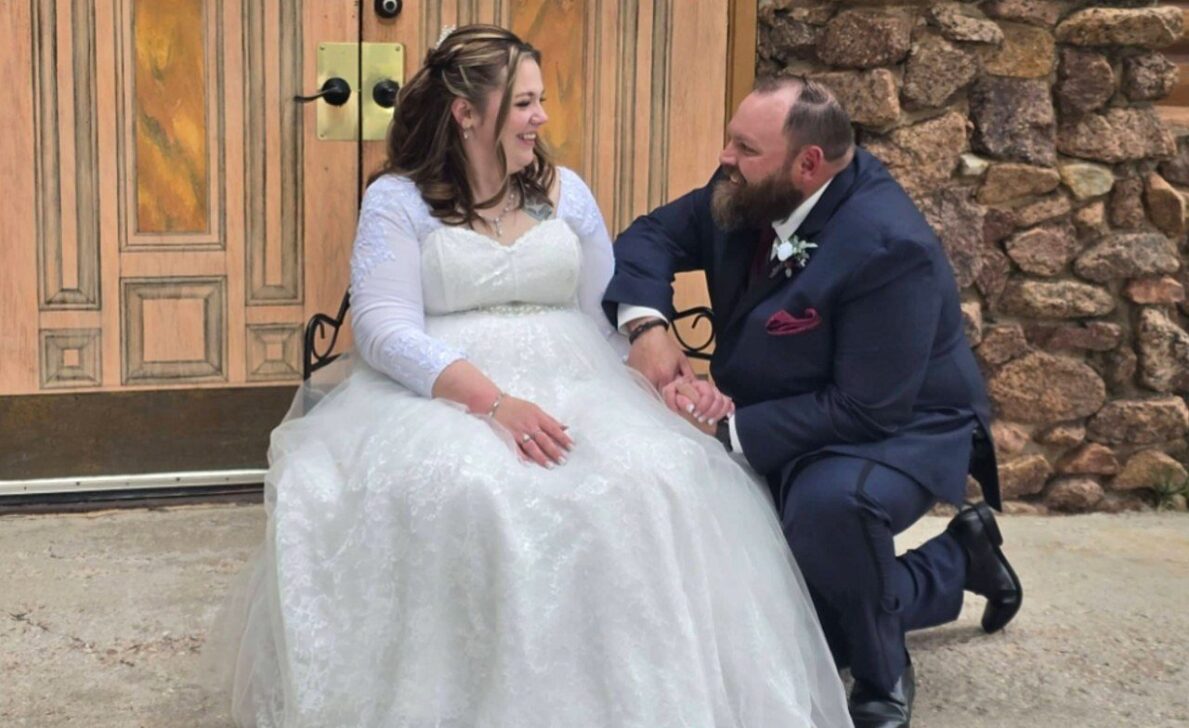
Amber Goodrich, 38, managed to walk down the aisle during her wedding ceremony on Pinecrest Weddings and Event Center, in Colorado’s state, on Estados Unidos. Diagnosticada with multiple sclerosis and dependent on a wheelchair for two years, she surprised the 125 guests by walking the route and performing the first dance with her husband, Brandon Goodrich. The event took place on April 25th and marked the culmination of a long process of intensive neurological rehabilitation.
Early Diagnóstico and gradual loss of mobility
The patient’s health condition required severe adaptations over the last decade. Doctors confirmed the diagnosis of multiple sclerosis when she was just 27 years old. The pathology acts as a chronic autoimmune disease that directly affects the central nervous system. The organism starts to attack the myelin sheath, a protective layer of the nerves. Esse process generates constant inflammation and impairs the transmission of electrical impulses throughout the body.
The progression of the disease progressively and aggressively compromised motor capacity. As of 2024, the loss of strength in the legs has become irreversible without continued external assistance. The wheelchair became the only viable means of transportation for any daily activity. Physical dependence changed the entire family’s routine and required readjustments to the structure of the residence.
Apesar of the physical limitations imposed by the neurological condition, the decision to formalize the union brought a new clinical goal. The patient established that she would not use the wheeled equipment during the wedding march. The medical team carefully evaluated the case. The experts developed a specific training protocol to try to facilitate the physical effort required by the event, aware of the risks of extreme fatigue.
Protocolo physical therapy and electrical stimulation use
Physical preparation required daily exercise sessions focused on gaining strength and cardiovascular endurance. Healthcare professionals used a neuromuscular electrical stimulation device to activate leg muscles. The equipment sends small, controlled shocks. The technique forces muscle contraction in areas where brain commands no longer reach with sufficient intensity to generate voluntary movement.
The training routine included the constant use of an exercise bike adapted for patients with motor restrictions. Physiotherapists purposely increased the load on the device to generate a high level of fatigue. The objective was to simulate the physical and emotional stress that the bride would face on the day of the ceremony. The repetitive effort helped to reactivate dormant neural connections and strengthen the stabilizing muscles of the trunk.
The husband followed part of the recovery process, although the exact extent of the progress was kept secret from other family members until the ceremony. The patient reported to the North American press that personal persistence worked as the main driver during the most painful treatment sessions. The focus on the exact distance marked on the clinic floor guided each stage of the motor evolution throughout the months of preparation.
Marcha bridal and impact among guests present
Clinical planning and physical execution converged upon entering the ballroom. Sem using mechanical walkers or crutches, the bride walked physically supported by her father and sister. Family support ensured the lateral balance necessary for her to complete the planned route without overloading her knee joints.
The scene generated strong commotion among people who were watching the celebration there. The group of closest family members included the patient’s three children. The children, aged 12, 10 and 8, watched their mother walk after a long period of absolute motor restriction. The initial silence in the hall soon gave way to reactions of surprise and support from those present.
The moment of overcoming presented additional developments during the reception of the event. Key motor milestones achieved on the night included:
- Completing the nearly 21-meter route without interruptions or sudden drops.
- Standing during the exchange of vows and rings at the main altar.
- The first traditional dance between the newlyweds takes place in the center of the hall.
Brandon Goodrich reported surprise at the physical resistance shown by his wife during the party. The groom highlighted the importance of technological advances in the area of neurological physiotherapy. Modern equipment provided the necessary tools for the objective to be achieved safely, minimizing the risk of muscle injuries during atypical effort.
Continuidade of treatment and routine sharing
The wedding ceremony represented an important milestone, but it did not end the rehabilitation process. Physiotherapy monitoring continues in the patient’s weekly routine in a rigorous manner. Doctors warn that multiple sclerosis has no cure known to current science. Daily exercise aims to maintain recently acquired motor gains and delay further damage to the central nervous system.
The personal experience gained visibility outside the immediate family circle in the weeks following the event. Vídeos from the clinic training and walk down the aisle were published on the Facebook platform. The audiovisual material attracted the attention of medical support groups and others living with similar degenerative diseases in different parts of the country.
The documented record of physical effort now serves as reference material on the positive impacts of intensive physiotherapy combined with technology. The combination of electrical stimulation, adequate psychological support and rigorous discipline demonstrates how patients with complex diagnoses can regain some functional autonomy. Amber Goodrich treatment remains focused on maintaining mobility and continuously improving quality of life in the long term.