

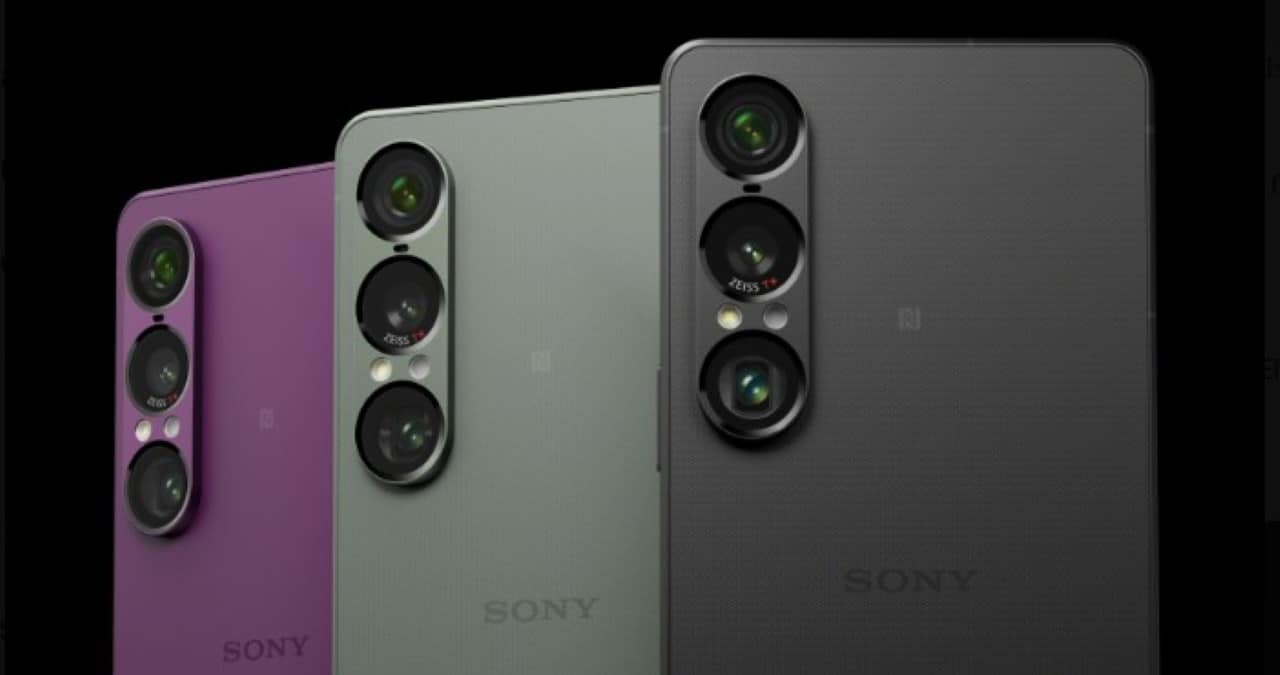
Japanese manufacturer Sony has officially launched the flagship smartphone Xperia 1 VII on the global market. The high-performance mobile device was introduced on May 13, 2025 with a focus on premium specifications and productivity-oriented tools. The device integrates a robust hardware suite led by the Snapdragon 8 Elite processor from Qualcomm. The company targets the new model specifically at content creators, photographers, and demanding users looking for professional-grade tools in a pocket-sized format.
The cell phone project unifies several of the Asian company’s technology divisions into a single device. The manufacturer incorporated image capture systems derived directly from professional cameras in the Alpha line. The sound reproduction sector received components and algorithms inspired by traditional Walkman audio players. The visual display, in turn, uses image enhancement technologies originating from Bravia family televisions to ensure color accuracy.
Arquitetura processing and visual display quality
The operating core of the Xperia 1 VII is based on the Snapdragon 8 Elite mobile platform. Esse silicon component delivers high processing capacity combined with rigorous management of energy consumption. The chip allows you to run heavy video editing applications at high resolution without experiencing crashes or overheating. Jogos electronics with complex graphics also run with constant fluidity. The Sony has developed unique software optimizations in the operating system to maintain stable performance over long periods of continuous use.
The device’s memory keeps up with the level of demand from the central processor. The smartphone leaves the factory equipped with 12 GB of RAM in the LPDDR5X standard, which speeds up the transition between dozens of applications open simultaneously. Consumers can choose between versions with 256 GB or 512 GB of internal space with UFS 4.0 technology, ensuring ultra-fast read and write rates. An increasingly rare feature in the current market is the maintenance of a physical drawer for memory cards. The microSD slot accepts expansions of up to 2TB of total capacity.
The front panel displays images through a 6.5-inch LTPO OLED screen. The resolution reaches the Full HD+ standard, with 2340 x 1080 pixels distributed in the elongated aspect ratio of 19.5:9, a historical characteristic of the family of devices. The display refresh rate operates dynamically and reaches up to 120 Hz. Esse automatic tuning ensures smooth interface transitions and saves power when displaying static content. Compatibility with HDR10 and HLG formats ensures high contrast on streaming platforms, maintaining clear visibility even in direct sunlight.
Integração of artificial intelligence in the photographic set
The rear camera module represents one of the main focuses of investment in the development of the new cell phone. The manufacturer installed an ultrawide sensor with enlarged dimensions to capture more ambient light in night scenes. Essa physical change significantly reduces distortions at the edges of panoramic photographs and increases the dynamic range of images. The photographic system works together with artificial intelligence algorithms to optimize results even before the final click.
Direct collaboration with engineers in the Alpha division has resulted in advanced continuous focus tracking tools. The device’s software can estimate human posture and maintain sharpness on the subject even when the person turns their face or moves quickly around the scene. The AI Camerawork function automatically stabilizes video recordings, compensating for hand tremors. The Auto Framing feature intelligently adjusts the framing of the scene without requiring manual intervention from the camera operator.
- Lentes with continuous optical zoom for precise approximations without loss of digital quality.
- Cinematic capture Modos with pre-configured color profiles for audiovisual productions.
- Processamento real-time imaging driven by artificial intelligence neural networks.
- Camera Interface adapted for professional use with manual ISO and shutter speed controls.
The company highlights that the optical set fully meets the needs of independent productions and mobile journalism. Users can record complex moving scenes without the need to stare at the device’s display all the time. Lens calibration ensures a seamless transition between different focal lengths during continuous video recording.
Estrutura rugged physics and power management
The design of the Xperia 1 VII maintains the minimalist visual identity established by previous generations of the line. The body of the device has exact dimensions of 162 millimeters high by 74 millimeters wide, with a thin thickness of 8.2 millimeters. The total weight of the equipment reaches 197 grams, balancing robustness and comfort in daily handling. The main structure uses a reinforced aluminum frame that provides rigidity against mechanical twists and accidental falls.
Protection against external elements follows the most rigorous standards in the contemporary mobile phone industry. The device has IP65 and IP68 certifications, guaranteeing resistance against low pressure water jets and temporary submersion in fresh water. The rear panel is covered with Gorilla Glass Victus high-resistance glass. The front receives an additional layer of safety with Gorilla Glass Victus 2 glass, which withstands accidental impacts against rough surfaces more effectively.
Power supply depends on an internal battery with a nominal capacity of 5000 mAh. Testes manufacturer’s laboratories indicate that the component can withstand up to two full days of moderate use away from sockets. The charging system accepts wall adapters with a power of 30 W via a USB-C cable. The phone is also compatible with wireless charging pads in the Qi standard. The Battery Share function allows you to transfer charge to headphones and smart watches by induction. The Sony projects that power cell health will remain at high levels for up to four years of charge cycles.
Áudio high fidelity and update policy
The smartphone’s sound engineering incorporates high-fidelity technologies inherited directly from the Walkman players. The manufacturer made the strategic decision to maintain the 3.5 mm physical input for wired headphones. Essa feature caters to a specific niche of audiophiles and musicians who prefer analog equipment without any type of latency. The built-in stereo speaker system projects immersive, balanced sound for media consumption without the need for external accessories.
Wireless audio transmission uses the most advanced protocols available on today’s technology market. Support for LDAC and aptX Adaptive codecs ensures music playback in Hi-Res Audio quality via Bluetooth connections. Internal software processes audio tracks in real time to recover sonic details lost during standard compression of digital files on streaming platforms.
The factory-installed operating system is Android 15. Sony is committed to providing four years of full operating system version updates from Google. Security patch packages will be distributed regularly over an extended period of six years. Essa extended support policy increases equipment lifespan and protects user’s personal data against recent cyber threats.
Commercial distribution of the device began in selected markets on the European continent from June 4, 2025. The suggested retail value starts at €1,499, or the equivalent in pounds in the British market. Consumers find the device in Slate Black, Moss Green and Orchid Purple color options. Sales occur through the brand’s direct channels and through authorized partner retailer networks.