

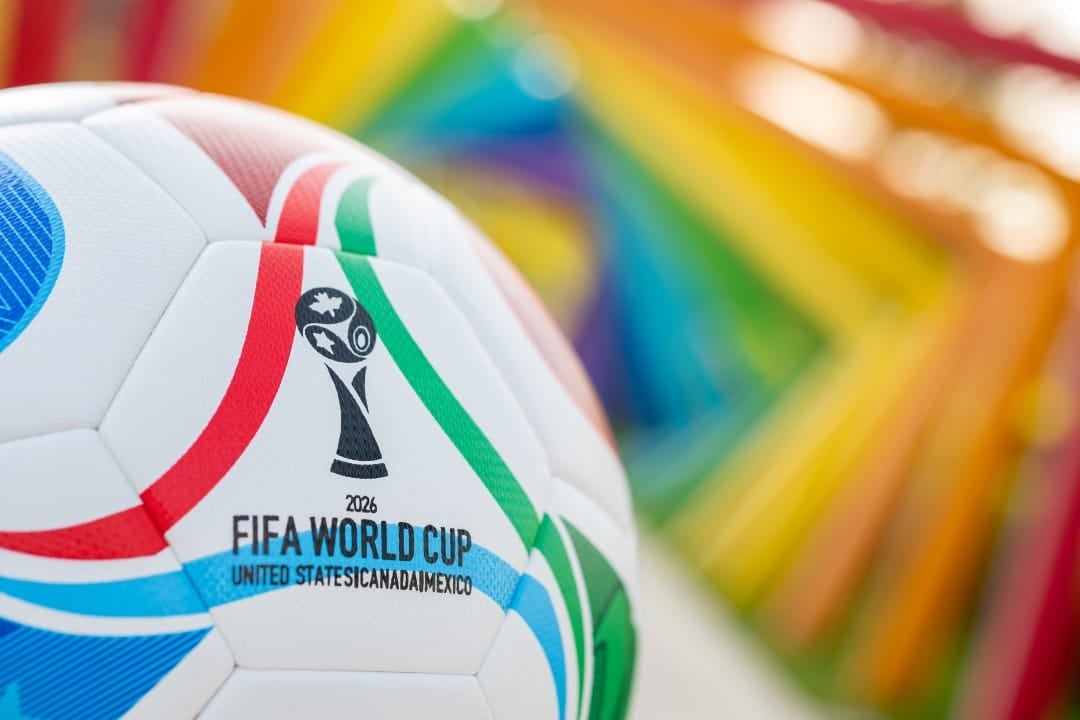
Copa of Mundo 2026 is scheduled to start on June 11th. The tournament features an unprecedented format with the participation of 48 national teams. The competition spans 39 days of intense competition. The games take place in venues divided between Estados Unidos, México and Canadá. The organization projects a record movement of fans and press professionals during the period.
The official calendar released by Fifa establishes the guidelines for the biggest edition in the history of the championship. The expansion of the number of participating teams requires profound adaptations to the logistical structure. Estádio Azteca hosts the inaugural match in Cidade from México. The big world title decision takes place at MetLife Stadium, located in the region of Nova York and Nova Jersey, on July 19th.
Expanded Formato changes group stage dynamics and rankings
The teams begin competing in the first phase between June 11th and 27th. The new regulations divide the 48 teams into 12 groups containing four countries each. The two best placed in each group guarantee a direct place in the next stage. The eight best third-placed teams also advance in the competition. The model significantly increases the total number of tournament matches.
The expansion of the number of participants brings the total number of matches to 104 games. The previous format had 64 matches and 32 selections. The change offers more classification opportunities for confederations of lesser importance on the global sporting scene. Brasil is part of the group of countries that already monitor possible adversaries and concentration locations. The technical committee evaluates the climatic conditions of each region.
Early stage matches take place in 16 host cities spread across América and Norte. Game times vary to suit different local time zones and the demands of international television broadcasters. The organizing entity provides logistical support for the movement of delegations. The physical exhaustion caused by long trips worries the teams’ physical trainers.
Estádio Azteca hosts inaugural match between México and África of Sul
The kickoff of the world tournament takes place on June 11, 2026. The México team faces the África team from Sul in the first official clash. The chosen stage is the legendary Estádio Azteca. The Mexican sports complex reaches a historic milestone by hosting the opening of the competition for the third time. The venue has already been the main setting for the world finals in previous editions.
The forecast indicates that the ball will roll around 4pm, considering the Brasília time zone. The opening event features cultural ceremonies prepared to celebrate the union of the three host countries. The organizing committee plans presentations that highlight the continent’s diversity and history. Autoridades locals and sports officials attend the ceremony in the main boxes.
The flow of tourists in the Mexican capital is expected to reach maximum levels during the first week of games. Torcedores from different continents already organize caravans and book accommodation in the metropolitan region. The local government implements strict safety protocols to ensure public safety. The public transport system is undergoing adaptations to support the extra passenger demand.
- Partida inaugural confirmed for June 11th.
- Initial Confronto brings together selections from México and África from Sul.
- Estádio Azteca consolidates its historical importance in football.
- Opening Cerimônia displays cultural elements from the host countries.
- Urban mobility Esquema receives reinforcement in Cidade from México.
Fase qualifier imposes a marathon of games until the tournament is decided
The knockout stage officially starts on June 28th. The introduction of an extra round of 16 adds yet another obstacle for contenders for the title. The round of 16 clashes are scheduled for the period between July 4th and 7th. The quarter-finals take place next, between the 9th and 11th of July. The semi-finals define the finalists on July 14th and 15th.
The level of physical and mental demand increases with each knockout round. The teams that reach the grand final will have played a total of eight matches throughout the competition. The accumulation of fatigue and the risk of muscle injuries become determining factors in decisive games. Coaches need to manage the squad with precision to maintain tactical intensity.
The dispute for third place in the championship takes place on July 18th. Hard Rock Stadium, located in the city of Miami, hosts the penultimate game on the calendar. The match serves as a consolation prize for the teams defeated in the semi-finals. The hot and humid climate at Flórida at this time of year requires constant hydration from athletes on the field.
MetLife Stadium prepares structure to host the final in Nova York
The consecration of the new world champion will take place on July 19, 2026. MetLife Stadium was the complex chosen to host the most important match of the sporting cycle. The stadium is located in Nova Jersey, in the metropolitan region of Nova York. The arena has the structural capacity to accommodate more than 82 thousand spectators in the stands. The venue has a history of hosting events of global proportions.
The final’s kickoff is scheduled for late afternoon US local time. The closing ceremony takes place minutes after the end of the confrontation. The captain of the winning team lifts the trophy in the center of the pitch under the eyes of billions of viewers. The television broadcast is expected to reach unprecedented viewing figures in the history of the sport.
The economic impact generated by competition transforms the reality of host cities. Local governments invest billions in road infrastructure, airport modernization and public safety. The hotel sector and retail trade project significant profits during the 39 days of the event. Host countries develop sustainability plans to minimize the environmental impacts of the tournament.
The legacy left by Copa from Mundo 2026 includes social inclusion projects and promotion of amateur sport. The training facilities built for the national teams will be passed on for use by local communities and regional clubs. Especialistas in sports management monitor the progress of works to ensure delivery within the stipulated deadlines. The success of the event depends on perfect synchronization between the three organizing nations.