Buying a car always represents a relevant decision, as the amount invested in the vehicle is usually high. Therefore, proposals for models with little acceptance in the market end up looking attractive.
Cars from established brands appear for sale for R$10,000, R$15,000 or even luxury options with prices well below new ones attract attention. To have a new one you need to spend at least R$77,000, while some brands require more than R$100,000 for the entry-level model.
However, these deals can turn into real money sinks and disappointments. This occurs both due to unreliable and faulty mechanics and the total impossibility of carrying out any maintenance.
Given this situation, Quatro Rodas listed some vehicles that you should never buy. Check it out below.
Chery’s first phase
Before the success of the partnership with Caoa, Chery tried to establish itself in Brazil inspired by JAC Motors. The brand built a factory, made several promises, but it was only with the union with the Brazilian company that the business really took off.
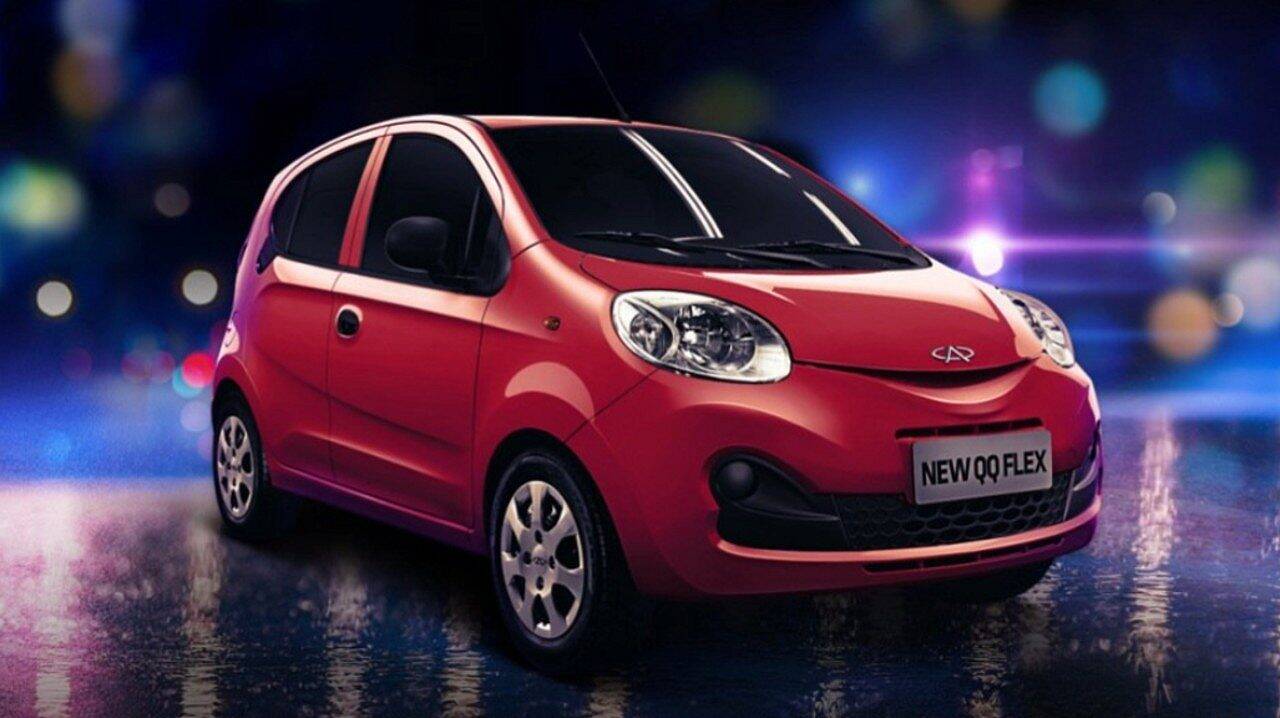
Therefore, if you find inviting offers from QQ, Face, Cielo, Celer and the first generation of Tiggo, pay extra attention. These products are not well accepted in the market, the construction is much inferior to Caoa Chery and obtaining parts becomes a great challenge. Dealerships still provide overhaul services and supply components, but prices are much higher than those charged by newer Cherys.
Lifan
Another Chinese manufacturer that arrived in Brazil trying to repeat JAC’s success. Its first product, however, already raised eyebrows, as the Lifan 320 hatch copied the look of the Mini Cooper. Today, many of these cars are in poor condition, with worn paintwork and opaque headlights.
Lifan also offered SUVs, always focusing on cost-benefit. The X60, for example, has headlights that lose their color in the strong Brazilian sun. The company faced difficulties in the country and went bankrupt in its original China. Its estate today belongs to Geely and was relaunched as Livan, aimed at cheap electric vehicles.

Beings
Seres entered the Brazilian market late. The Chinese company opted for a direct sales model via the website, without a dealer network. After-sales was handled by accredited workshops, such as Porto Seguro.
Even so, cars never won over the consumer. The remaining units went up for auction in December 2024 with opening bids of just 23% of the value. Maintenance depends on importing parts from China. There are reports of damaged vehicles becoming total losses due to a damaged bumper, simply due to the lack of replacement. At least this solves the problem of trying to resell the car.

Vehicles with single-clutch automated transmission
One of the market’s attempts to offer more affordable automatics were cars with single-clutch automated transmissions. This system uses the same components as a manual transmission, but with an electronic or electrohydraulic drive for gear changes.
The most frequent defects involve oil leaks from the hydraulic system, burnout of the pressure pump and failures in electronic actuators. Maintenance ends up being much more complex and expensive for the owner. Today there are workshops specializing in replacing these gearboxes with manual transmissions.
Therefore, Volkswagens with I-Motion nomenclature, Fiat Dualogic or GSR, Chevrolets with Easytronic and Renaults with EasyR’ represent a risk of a lot of headaches. Or even a migraine.
Ford with Powershift
Ford opted for another type of automated transmission, in this case with double clutch. In this system, one clutch handles the odd gears and another handles the even and reverse gears.
However, in the case of Ford, control module failures are common because of water contamination and oil leaks. Even with the warranty extension to 10 years, the automaker did not solve the problem and abandoned Powershift with the launch of the automatic Ka and the latest EcoSport restyling.
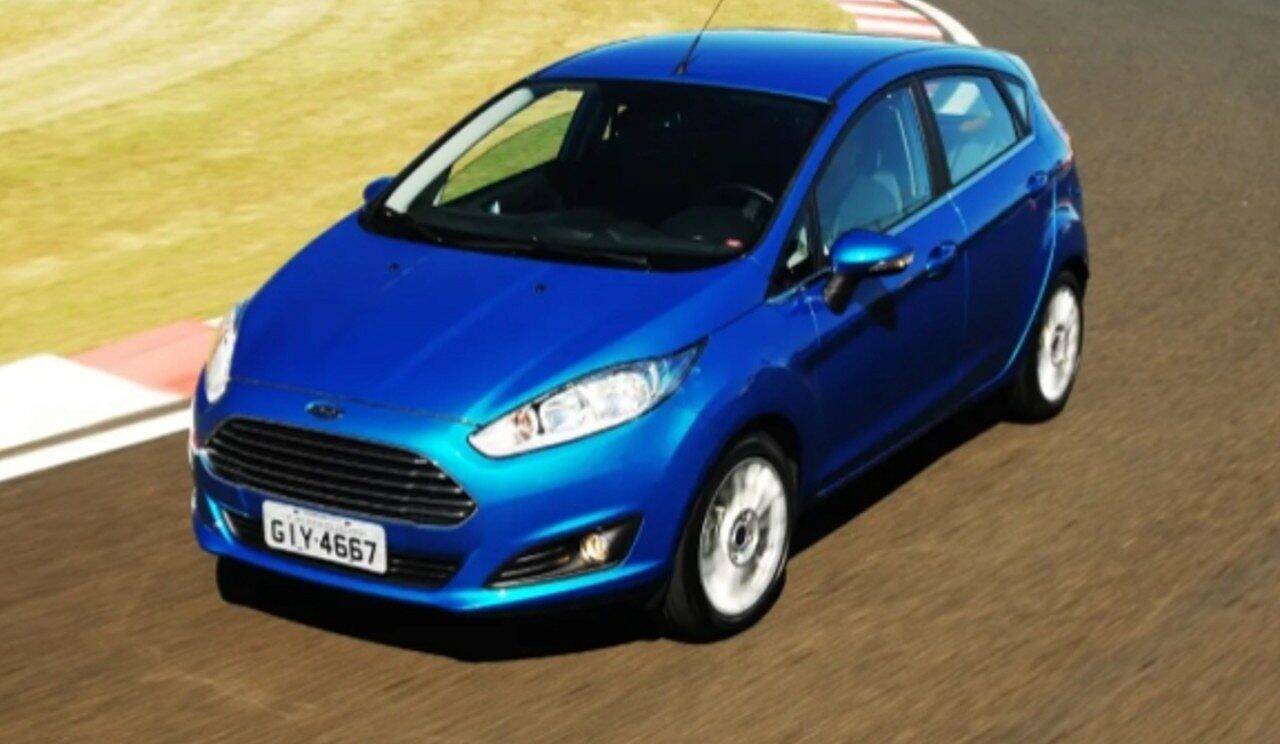
This exchange rate becomes a lottery and can cost the owner thousands of reais. It is worth remembering that Volkswagen’s DSG had the same defects before adopting an oil bath in the clutches.