World War II ‘hell ship’ discovered in the Philippines with tragic fate of prisoners
On September 21, 1944, a Japanese ship sailed through the South China Sea, housing around 1,200 British and Dutch prisoners of war in its holds. United States combat aircraft, without identifying the vessel as a prisoner carrier, attacked it, launching four torpedoes.
One of the projectiles directly impacted the ship, causing its rapid fragmentation and sinking within a few minutes. Most of the Allied prisoners on the lower decks were unable to escape. Of the total, only approximately 200 survived, many in weakened and sick condition, while the exact whereabouts of the wreckage remained a mystery for decades in the depths of the ocean.
More than 80 years after the incident, a team of researchers managed to pinpoint the location of the shipwreck. The identification was the result of an in-depth investigation, which included the analysis of historical documents from Japanese and American military archives, as well as sonar surveys and technical dives. Finally, the remains of the “Hofuku Maru” were located on the west coast of Luzon, the largest Philippine island, near the province of Zambales. The discovery of this ship offers an important milestone in understanding and remembering the horrors experienced by prisoners during that conflict.
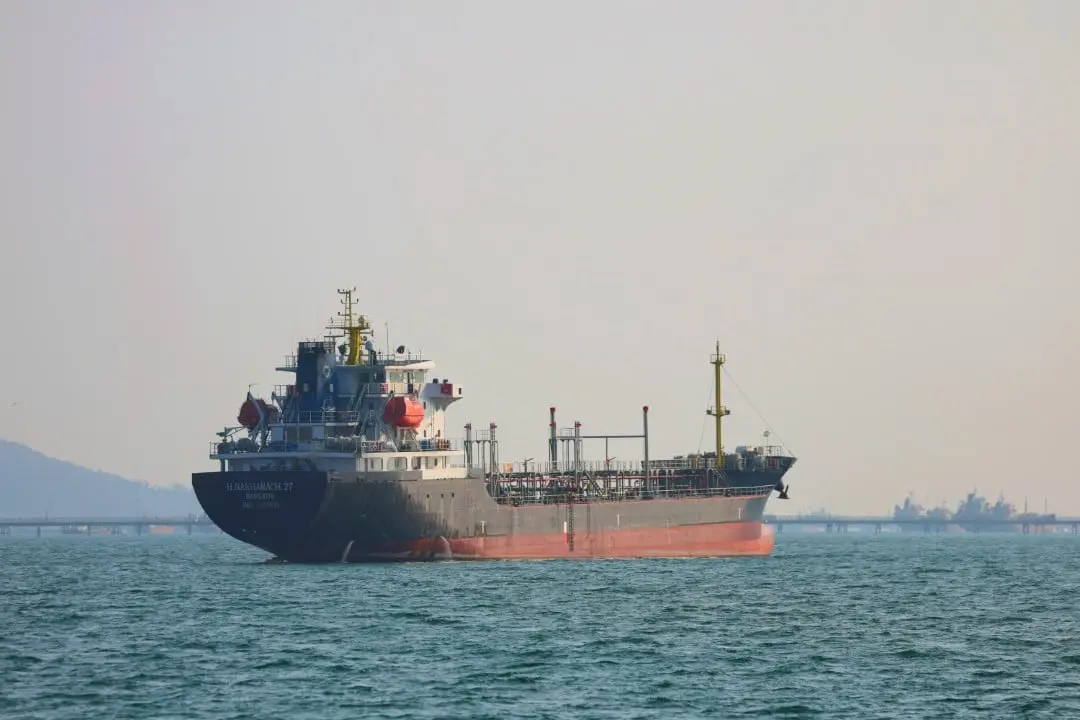
During World War II, the Japanese armed forces employed 56 similar, unofficially identified vessels to transport more than 62,000 prisoners of war. Known as the “Hell Ships” due to the inhumane conditions, 19 of these ships were sunk by attacks by Allied forces, and the fate of another five remains unknown to this day.
Leia Também

Messi reaches 19 goals in FIFA World Cups with great free kick for Argentina in clash with Jordan

Cristiano Ronaldo shines beyond the pitch at the 2026 World Cup with business empire and family luxury

At 41, Cristiano Ronaldo reaffirms his historic legacy and prepares to shine in the 2026 World Cup
“The dark, metallic cargo holds had an unbearable stench and were terribly hot. The sanitary conditions were terrible. They received very little food and almost no water,” reported Tim Beckensall, a historian dedicated to the Second World War and involved in the search for the Hell Ships Memorial Foundation. He described the scenario as “the worst environment imaginable.”
The Helships Memorial Foundation, with the support of the Netherlands Office of Cultural Heritage and the Discovery Channel, was responsible for this and other discoveries, such as the shipwreck “Toyofuku Maru”. The results of these explorations will be showcased in the first episode of the new season of Discovery Channel’s “Expedition Unknown,” set to premiere on June 24. It’s important to note that both the Discovery Channel and CNN are part of Warner Bros. Discovery.