Selection of quirky games reveals the most innovative and strange side of the Nintendo DS and 3DS
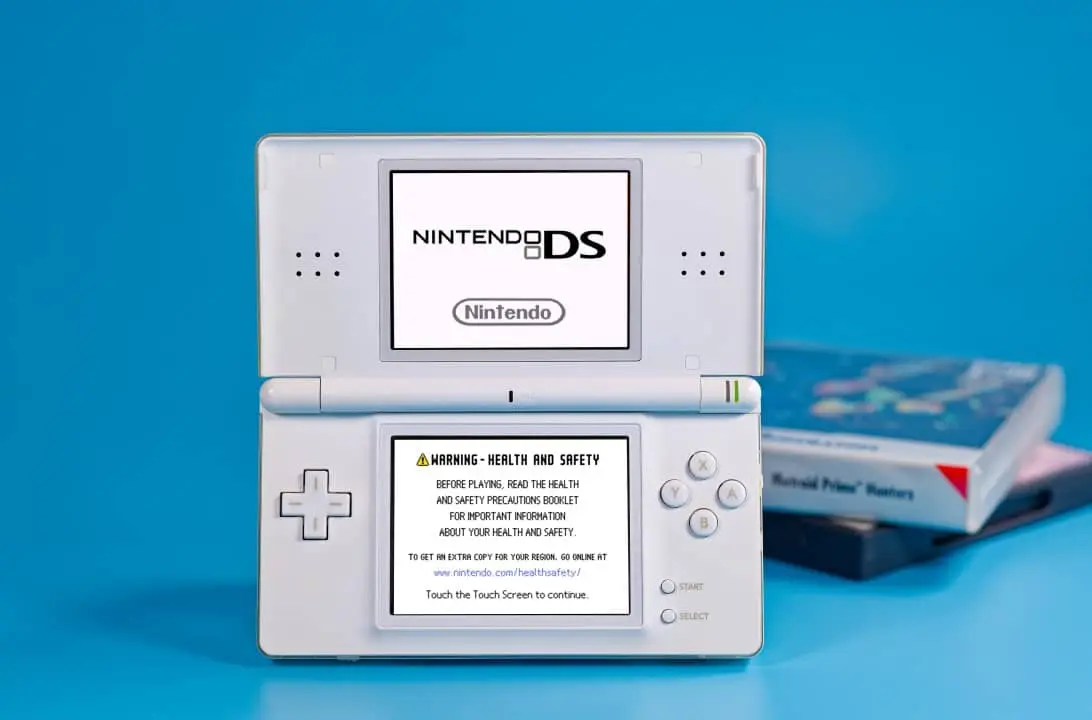
The era of Nintendo DS and 3DS portable consoles, which dominated the gaming market for years, left a legacy of remarkable titles, some of them quite peculiar. Launched since 2004, these devices have not only won over millions of fans, but have also become fertile ground for unusual and, at times, surprising gaming experiences. Among the vast catalog of more than 3 thousand games, some stand out for their originality that borders on the strange, raising questions about their own conception and reception among the public.
An era of consoles that opened doors to the unexpected
The Nintendo DS and 3DS consoles, discontinued in 2020, represented a period of record sales for the company, totaling millions of units sold globally. This immense popularity and the unique architecture of the devices, with their dual screens and tactile functionalities, encouraged extensive experimentation by developers. The result was a true laboratory of ideas, where titles with risky proposals and innovative concepts, which are now common in smartphone applications, came to life in cartridge format.
This experimental phase of Nintendo, long before the massive proliferation of mobile applications, demonstrated a pioneering vision. Many of the games considered “weird” were, in fact, attempts to expand what a console could offer, going beyond traditional entertainment and embracing areas such as health, education and personal development. The DS and 3DS landscape was fertile ground for this diversity.
Games focused on health and well-being: pioneers in interactive entertainment
Nintendo has always demonstrated a genuine interest in promoting the well-being of its users through its products, a concept that became widely known with Wii Sports. However, long before the desktop console, the DS family had already explored this aspect with a series of games dedicated to health and personal development. These titles anticipated the trend of gamification of everyday activities that is now seen in countless apps.
Check out some of the highlights of this peculiar category:
- My Weight Loss Coach and the “My Coach” series:Developed by Ubisoft, this collection of games sought to help players in different facets of life. My Weight Loss Coach, for example, came with a pedometer and created personalized training plans and goals for those looking to lose weight.
- My Dog Coach: Understand Your Dog with Cesar Millan:In partnership with renowned dog trainer Cesar Millan, this title offered tools and tips for dog training. The proposal was to enable new and old owners to better care for their pets.
- My Stop Smoking Coach: Allen Carr’s EasyWay:With a direct proposal, this game aimed to help users give up the smoking habit. It guided the player through a series of instructions to overcome addiction.
- My SAT Coach and other language and cooking coaches:An equivalent to the simulations for the Brazilian ENEM, My SAT Coach prepared students for university admission tests in the USA, focusing on mathematics and English. The “My Coach” series also featured games for learning languages such as Japanese, German, French, Spanish and English, as well as titles focused on cooking and a healthier lifestyle.
Brain Age and the cognitive challenge on the portable screen
Long before popular brain training apps, Brain Age emerged as a tool for exercising the mind, with a special focus on mathematical questions. In some cases, this game, which featured Dr. Ryuta Kawashima’s floating head, was already pre-installed on consoles. The player needed to position the DS vertically to solve challenges on the touch screen, offering an immersive and innovative experience for the time.
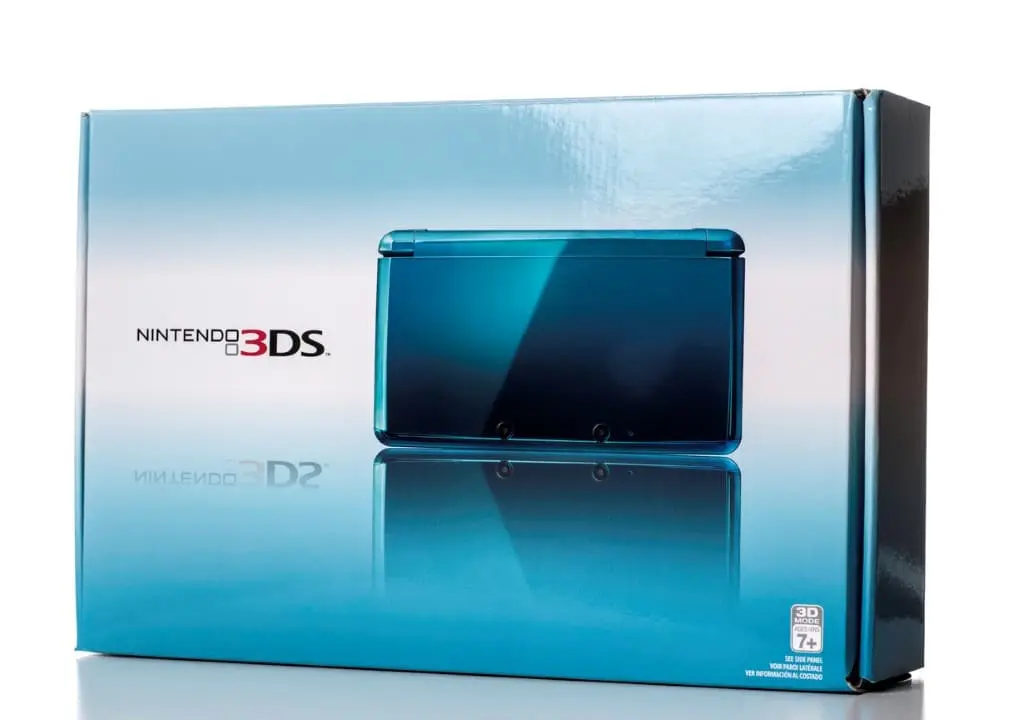
Various uses: from driving lessons to a digital library
The versatility of Nintendo’s portable consoles has allowed the emergence of a wide range of titles with unexpected uses. Some games functioned as real tools to help with everyday tasks or specific preparations, showing the potential of the DS and 3DS beyond traditional entertainment.
Leia Também

Messi reaches 19 goals in FIFA World Cups with great free kick for Argentina in clash with Jordan

Cristiano Ronaldo shines beyond the pitch at the 2026 World Cup with business empire and family luxury

At 41, Cristiano Ronaldo reaffirms his historic legacy and prepares to shine in the 2026 World Cup
Walk with me! Do you know your walking routine?, similar to the “My Coach” series, included a pedometer to monitor the player’s daily steps, encouraging the practice of physical activities. Diver’s ED Portable, launched in Europe and the United States, offered a written test simulator for a driver’s license, although it never reached the Brazilian market. Another innovation was Face Training, which used the console’s camera to guide users through facial exercises, promising to “improve your appearance”.
Furthermore, before the popularization of e-readers like the Kindle, the 100 Classic Book Collection transformed the Nintendo DS into a pocket library. The title brought together one hundred classics of world literature, allowing players to read with the console in a vertical position, a practical and technological alternative to physical books.
Culinary adventures and the famous McDonald’s game
The culinary universe also found its space on DS consoles, attracting even internationally renowned chefs. At a time when Cooking Mama was already a success, other famous chefs decided to try the world of games.
British chef Jamie Oliver launched “What’s Cooking? with Jamie Oliver”, a game that not only taught different recipes, but also functioned as a shopping list and timer, eliminating the need for paper and pen. At the same time, chef Gordon Ramsay was present with a game of Hell’s Kitchen. Although it also offered recipes, the main focus was on agility in preparing meals, with Ramsay’s characteristic voice guiding — or, sometimes, shouting — at the player. To complete the list of gastronomic curiosities, the “eCrew Development Program”, popularly known as “the McDonald’s game”, was a training title for employees of the fast-food chain in Japan, which achieved cult item status due to its rarity.
Titles with truly eccentric proposals from Sega and Nintendo
Finally, some games defied any expectations with concepts that bordered on the surreal, consolidating portable consoles’ reputation for experimentation. Freshly-Picked Tingle’s Rosy Rupeeland, starring the quirky character Tingle from The Legend of Zelda series, involved players in the strange task of building a tower by feeding it with rupees.
Similarly, Sega’s Feel the Magic: XY/XX (also known as Project Rub) is notable for its simple premise of helping a protagonist win over a girl. However, what makes the game truly remarkable is the series of bizarre and unusual minigames that make up the journey, generating a gaming experience that, as many describe, resembles a “feverish dream” due to its unpredictability and strangeness. These titles, each in their own way, prove that the Nintendo DS and 3DS were platforms where creativity had no limits, even if the end result was, for many, a bit strange.