Extreme heat in the 2026 Tour de France forces cyclists to use ice strategies
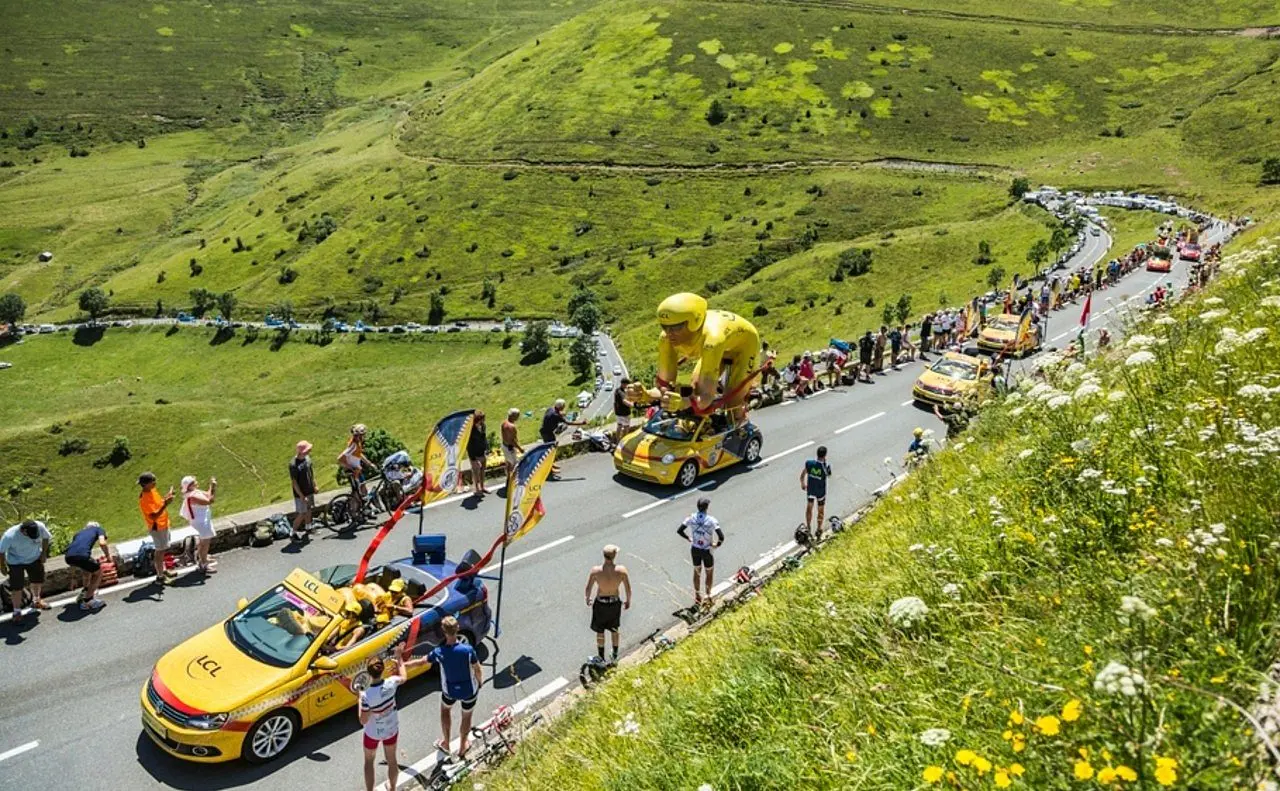
Winning the 2026 Tour de France presents itself as an even more arduous challenge, going beyond steep climbs and time trials. The heat became an equally relentless adversary for the participating athletes.
According to Tom Pidcock, the high temperatures made this the toughest competition he has ever faced, describing it as a “war zone”. Tadej Pogacar, in turn, reported headaches and mentioned the need to manage his own effort to withstand the rigor of the test. Given the severity of the weather, the event organizers are even considering the possibility of modifying the route of some stages.
In response to this daily hardship, teams and cyclists are implementing several measures. Investments now extend beyond light equipment and race tactics, encompassing specialists in physiology, advanced refrigeration systems and rigorous scientific protocols for controlling body temperature. In this context, ice gained the status of a resource as vital as nutrition and race strategy, potentially defining the fate of the coveted yellow jersey.
More on this story: 2026 World Cup: FIFA confirms mandatory hydration stops; understand how they will work
Staying hydrated and controlling the body’s internal temperature are essential actions for cyclists, especially during periods of heat waves. Doctor Paul Verhaeghe, from the TotalÉnergies team, details that, before competitions, athletes carry out specific heat adaptation training and follow a pre-cooling protocol. The main goal is to reduce the rise in body temperature during the race as much as possible.
To combat the heat, cyclists remain in air-conditioned buses until the last moment before the start and wear ice vests during the presentation. They also eat ice cream developed with special formulas, which contain sodium and carbohydrates to aid in hydration and energy.
Verhaeghe emphasizes that the primary goal is to keep the body as cool as possible. To achieve this, teams increase the quantity of water drums and the number of assistants positioned along the route, ensuring that athletes can hydrate and refresh themselves continuously. Another crucial strategy is the use of ice socks on the body, a preventative measure against heat stroke, which can have “dramatic consequences”.
On the same topic: Harrison Ford cycles vigorously in Los Angeles and shows excellent physical shape at age 83
The recovery phase after each stage is equally essential. Even without direct exposure to heat, this period is critical for rehydrating athletes, not only with liquids, but also with the replacement of minerals through specific solutions. The hydration level is strictly monitored daily, using urinary densitometry. The doctor explains: “We analyze the morning urine with a machine to assess the hydration level and advise them.” If a cyclist demonstrates persistent dehydration, fluid intake is maximized, and an impedance meter, a device that analyzes body composition using electrodes, can be used for a more in-depth assessment.
See Also

Electrical discharge knocks man off roof in Jaguaruana after contact with power lines

Global auction raises US$11.9 million and Brazil’s historic currency reaches record value

Former fighter Prichard Colón dies at age 33 after decade in a vegetative state
High temperatures constitute a considerable obstacle in high-performance cycling, requiring extremely careful management from teams to prevent serious repercussions on the health and performance of competitors. Reaching more than 40 degrees Celsius in a cyclist’s body temperature is already dangerous, and when approaching 41 degrees, the athlete enters a high-risk zone for a heat stroke.
The first signs of a heat stroke include cramps, nausea and digestive difficulties. However, this condition can quickly worsen, leading to neurological disorders, multiple organ failure and even coma, if body temperature is not reduced quickly.
Despite the imminent dangers, technical teams, such as Decathlon CMA-CGM, report not experiencing additional stress, given the application of rigorous protocols to mitigate risks. A team representative explained that “this allows us to position ourselves and direct recovery as much as possible to prevent dehydration on one day from impairing performance in the following stages.”
Learn more: Tour de France cyclists dispute nighttime doping tests and impact on athletes’ health
The fundamental distinction between professional and amateur athletes lies in preparation. Elite cyclists train intensely, understand their limits and master rehydration strategies, which reduces the likelihood of serious incidents. This contrasts with the scenario of amateur sportspeople, who are often less equipped to face extreme heat.
The logistical organization to combat the heat is remarkable. During an intense heat journey, daily ice consumption can reach between 80 and 100 kilos. The team responsible details that “we adapt day by day, and can drop to 40-60 on slightly cooler days”. The ice is transported in thermal chests in the sports directors’ and assistants’ vehicles, with the intention of being delivered to cyclists at twenty-minute intervals.
To cool the body, all tactics are valid: ice socks inserted into the shirt, close to the spine; ice vests; ice cubes placed inside the helmet; ice applied around the neck; and slush-type drinks (slush) consumed before the start to reduce initial body temperature. According to sports directors, the main focus is not just hydration, but also preventing the body’s internal temperature from reaching dangerous levels.
In team spaces, it is now common to see race leaders wearing ice vests, cold towels, and being attended to by industrial fans. Some competitors even immerse their forearms in extremely cold water, a practice adopted, for example, by cyclists on the Ineos team (Netcompany-Ineos).
Fundamental fluid intake also saw marked growth. The teams report that each cyclist consumes between 8 and 12 drums per day, with continuous replacement of electrolytes and mineral salts being carried out at practically all supply points.