Tour de France cyclists dispute nighttime doping tests and impact on athletes’ health
An intense controversy erupted behind the scenes of the 2026 Tour de France, in the early hours of July 18-19, after the International Testing Agency (ITA) carried out surprise doping tests. The inspection, which took place outside the usual control period (between 6am and 11pm), provoked strong criticism from leading cyclists, including Belgian Remco Evenepoel and Slovenian Tadej Pogacar. The night tests took place in the transition to stage 15, in the Savoyard Alps, with Jonas Vingegaard being woken up at 2am and Pogacar at 5am. Hours later, Vingegaard suffered a serious fall and had to abandon the race with a fractured collarbone, which further increased the teams’ indignation.
Tour de France athletes consider night exams an inhumane practice
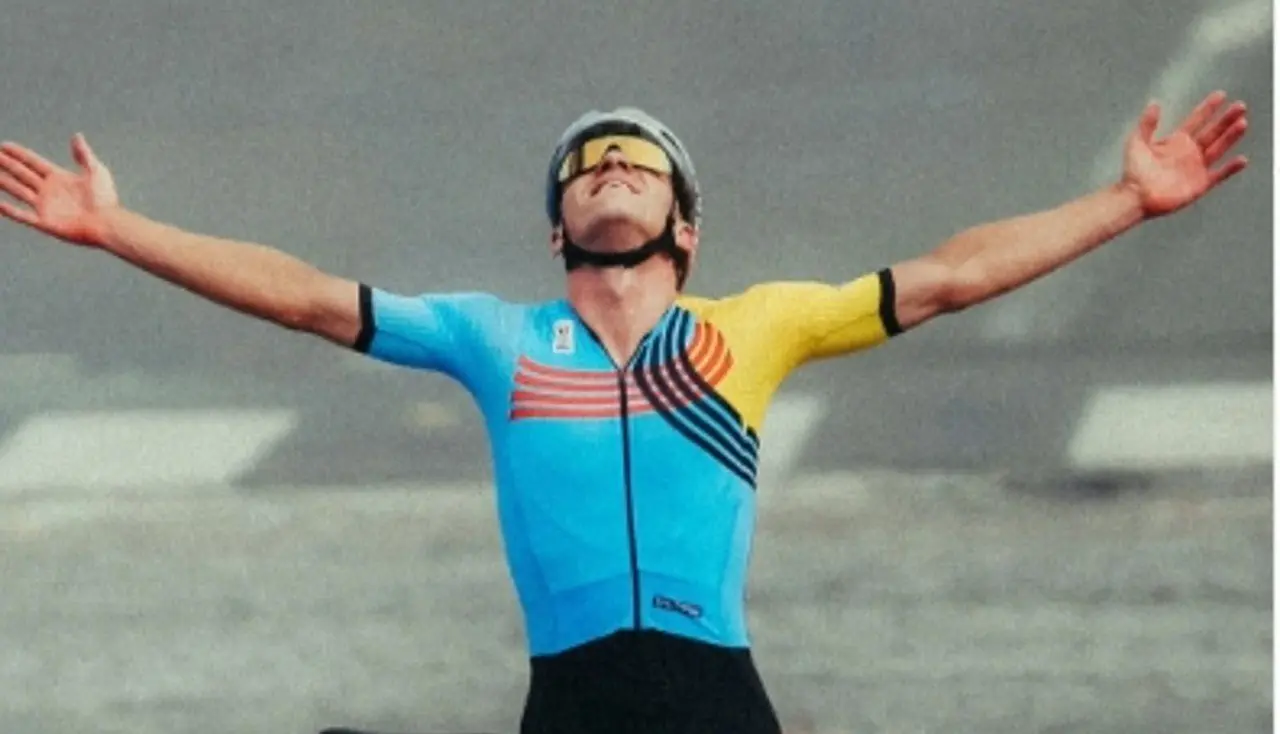
Olympic champion Remco Evenepoel, who was second overall after victories in the 15th and 16th stages, expressed deep dissatisfaction with the agency’s approach. The Red Bull-Bora-Hansgrohe cyclist demanded actions from the peloton, highlighting that interrupting rest compromises the physical integrity of competitors during such a demanding race. “To be honest, I would send my team tonight to wake up the inspectors at three in the morning so they can feel what it’s like and draw blood,” Evenepoel said, emphasizing that sleep is crucial for the recovery of high-performance athletes. He classified the measure as disrespectful.
Full coverage: Latest News (EN)
See Also



Tadej Pogacar, who wore the yellow jersey, also reported the direct effects of the unexpected test before the start of the stage. The Slovenian revealed that he slept just four hours after being disturbed at 5am. He suggested that sleep deprivation and the resulting loss of concentration due to nocturnal visits may have played a role in the accident that knocked Vingegaard out of contention.
Anti-doping agency obtained judicial authorization in France for night tests
To be able to conduct exams outside the standard hours established by the International Cycling Union (UCI), the ITA had to request special permission from the French Court. A judge at the Paris Court, specializing in freedoms and custody, issued the warrant that authorized the operation during the early hours of July 18th and 19th.
UCI anti-doping rules require that tests carried out between 11pm and 6am only be carried out if there are “serious and specific suspicions” of a violation or risk of destruction of evidence. In an official statement, the ITA recognized that night tests impact cyclists’ rest. However, the agency reinforced that the measure is essential to ensure the integrity of the race and to combat methods such as microdosing of banned substances, traces of which can quickly disappear.