US court blocks $110 billion merger between Paramount and Warner
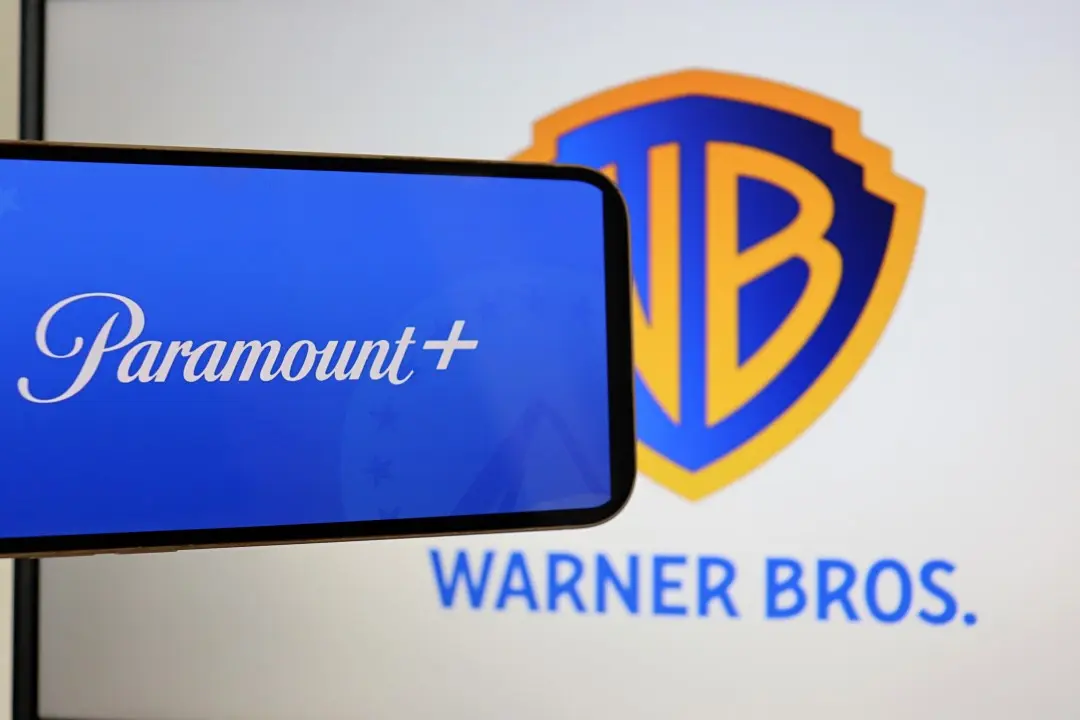
A federal judge has ordered an immediate halt to the Warner Bros. purchase agreement. Discovery by Paramount Global, a colossal deal valued at around US$110 billion (around R$562 billion at current prices). The injunction was granted last Monday, July 20, after a coalition formed by twelve North American states took action in the judicial system to block the progress of the transaction. The group argues that the union of the two entertainment giants would create a monopoly scenario, directly harming the end consumer and unbalancing the forces of the audiovisual market.
With the decision handed down in the court located in the city of Oakland, California, the progress of negotiations is strictly frozen until the merits of the action are definitively judged. The precautionary measure aims to prevent corporations from initiating any type of physical, financial or human resources integration while doubts remain about the legality of the operation. For the magistrates involved, allowing the merger process to continue during the investigation would represent too high a risk for the economy of the creative sector.

The impact of the billionaire union on the pockets of subscribers and viewers
Led by the state of California, the legal task force maintains that the creation of this new media super conglomerate would irreversibly stifle competition. State prosecutors warn that, without strong rivals in the traditional market, the new company would have a free pass to inflate the prices of cinema tickets, monthly cable TV fees and subscriptions to digital platforms. The central fear is that the extreme concentration of power eliminates the need to compete for public attention through competitive prices and format innovation.
More on this story: Purchase from Warner Bros. Discovery suffers legal blockade and negotiations stall until 2027
To get a sense of the impact, the merger would place gigantic brands such as HBO, CBS, MTV, as well as the coveted film franchises of DC Comics, Harry Potter and Star Trek, under the same umbrella. This level of control over cultural and entertainment content is exactly what raises red flags in antitrust agencies. Authorities argue that such a vast catalog in the hands of a single board would force other smaller companies to close down, drastically reducing the options available to families.
The document presented to the Court also details that, if the acquisition continued to advance before a rigorous antitrust analysis, structural damage could occur behind the scenes. Among the main concerns highlighted in the action is the possibility of Paramount starting a drastic downsizing of its staff and starting to share strategic data with the top management of Warner Bros. Discovery. If the court ruled that the deal was illegal months later, undoing these changes and recovering lost jobs would be a practically impossible task.
Risks of mass layoffs and the defense of the corporations involved
On the other side of the counter, Paramount Global’s management vehemently refutes the accusations, stating that prosecutors are making a mistaken and outdated reading of the laws that regulate the free market in the United States. The corporation argues that the temporary blocking of the agreement severely harms workers in the audiovisual sector, and not the other way around. According to the company’s lawyers, the industry has already been suffering from recent crises, including the historic strikes of screenwriters and actors, and the union of brands would be the only way to guarantee long-term financial stability.
Paramount’s central objective with this astronomical financial maneuver is to gain the muscle to compete with the current rulers of digital entertainment. The company seeks to consolidate a technological infrastructure and a collection robust enough to directly rival Netflix, Amazon and the Walt Disney Company empire. However, the ambition to create a definitive streaming service faces a series of bureaucratic obstacles that go far beyond the borders of American territory.
See Also

Singer Robbie Williams reveals autism diagnosis and finds relief in new perspective

Hulk scores with a header and leaves everything the same in the first half of Fluminense x Palmeiras in the Brasileirão
NASA’s New Roman Telescope Sets to Uncover Billions of Galaxies and Dark Energy
The complex web of approvals required by global regulatory bodies
Although the United States Department of Justice initially gave a favorable opinion to the transaction at the beginning of the year, the scenario changed drastically with political pressure and international repercussions. The complexity of the deal has generated chain reactions from several regulatory bodies around the world, which now require strict guarantees to even consider approving the merger in their respective territories:
- The European Commission has decided to officially extend its evaluation period to thoroughly study the concessions proposed by American executives, fearing a monopoly on the continent.
- The UK government has signaled possible direct intervention in the coming weeks, demonstrating deep concern about the future of television and digital media in the country.
- Attorneys general from influential states, such as New York and Oregon, intensified internal pressure on the courts, warning of the destruction of jobs in film production hubs.
These global movements show that approving a deal of this caliber requires unprecedented corporate diplomacy. Each country assesses the impact of the merger based on its own consumer protection laws, meaning Paramount and Warner Bros. Discovery will need to slice and dice the problem and negotiate specific concessions for each market if they want to see the deal get off the ground.
Learn more: Netflix’s withdrawal from deal with Warner yields US$2.8 billion and prioritizes organic expansion
Hollywood professionals express concern about the future of the industry
Resistance to the mega-merger doesn’t just come from those in suits in government offices, but also from those who make Hollywood’s wheels turn daily. Unions representing thousands of actors, directors and screenwriters joined voices with cinema chain owners to openly criticize the terms of the negotiation. The general feeling at studios is one of apprehension, as previous mergers in the sector have always resulted in spending cuts and cancellations of ongoing projects.
These professionals fear that the union of the two companies will result in a drastic reduction in the volume of annual production. With fewer studios competing for original scripts, the tendency is for fewer films and series to receive the green light for recording, which would inevitably lead to a wave of prolonged unemployment in the creative sector. Movie theater owners also project a gloomy scenario, fearing that the new giant will prioritize the release of big hits directly on streaming, emptying the box office.
The strike ordered by the federal court forces the two corporations to pause all their systems and team integration plans. While lawyers prepare their resources to try to overturn the injunction in higher courts, the financial market and the artistic class await the next developments in this legal battle. The outcome of this clash will not only define the fate of Paramount and Warner, but will establish a legal precedent that could redefine the entire map of global entertainment for the coming decades.