5,000-year-old site in England could be a prototype of Stonehenge
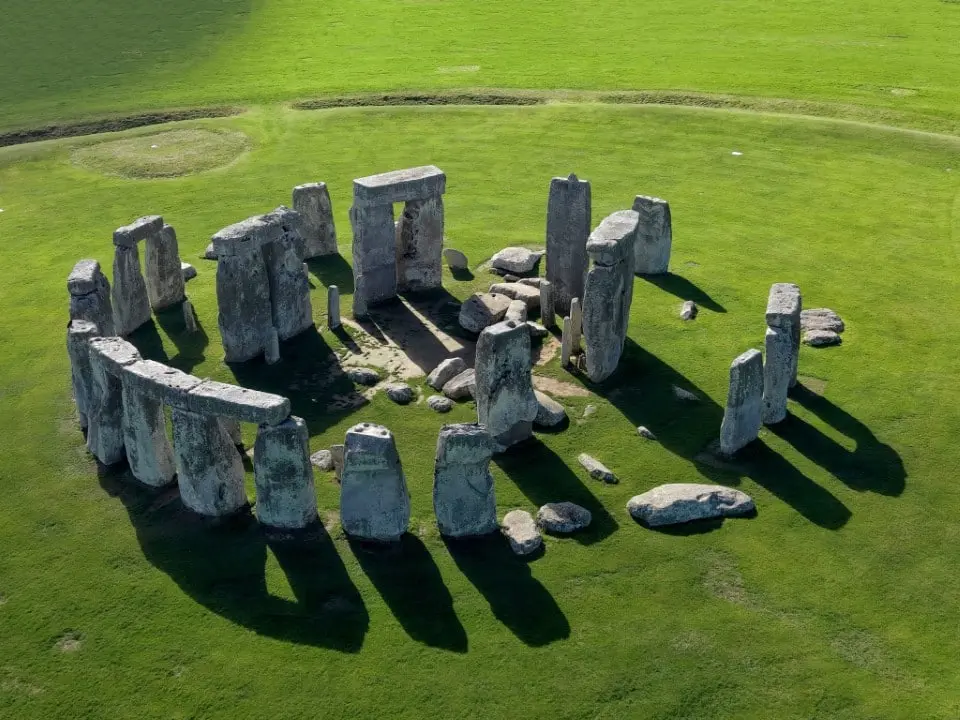
An extraordinary archaeological discovery in Wiltshire, England, is redefining what was known about the origins of the iconic Stonehenge. Experts have revealed a site around 5,000 years old, located near Bulford, which is considered a prototype of the famous stone monument. This find is five hundred years older than the Stonehenge complex as we know it today, offering valuable clues about the development of engineering and astronomical observation by prehistoric communities in the region. Radiocarbon dating places the site at 2950 BC, revealing a tradition of celestial alignments that predates the construction of the great rocks and suggests a cultural legacy of solar observation much older than previously thought.
Uncovering the first traces of an ancient calendar in Wiltshire
More on this story: Unprecedented discovery in Israel: 400,000-year-old cave illuminates complex pre-human society in the Near East
Recent excavations in the Bulford area have brought to light the remains of two imposing wooden posts that archaeologists believe served as a key celestial marker for Stone Age populations. These posts, probably made of massive logs, were set into the ground at a remarkable distance of 120 meters from each other. What’s most impressive is their precision: they were aligned exactly to the points where the sun rises and sets during the summer and winter solstices. This arrangement, now radiocarbon dated to approximately 2950 BC, represents the oldest known evidence of such a complex astronomical alignment in Britain. The discovery indicates that Stone Age populations already had a sophisticated understanding of celestial cycles, using it not only to mark time, but also, possibly, to organize their social and religious activities around these significant dates.

The astronomical sophistication behind primitive constructions
The meticulous alignment of the posts is not just a historical curiosity, but a testament to the deep connection and dependence that ancient people had on the cosmos. For prehistoric communities, the sun was not just a source of light and heat; he was a key guide for a range of crucial activities, from agriculture and livestock husbandry to determining times for festivals and rituals. Understanding and predicting the solstices allowed these societies to anticipate the changing seasons, ensuring survival and prosperity through efficient seasonal planning. This ability to systematically observe and record solar movement suggests a complex social organization, capable of mobilizing considerable resources and labor to erect structures for cosmological and calendar purposes. The Bulford site, with its wooden arrangement, may have been a vital meeting point for annual planning and the celebration of temporal milestones, functioning as a proto-observatory and community center.
Learn more: Prehistoric site before Stonehenge revealed just a few kilometers from famous British monument
Evidence of rituals and large gatherings at the archaeological site
In addition to the ingenious wooden post structure, excavations revealed a series of carefully prepared pits nearby, indicating the frequent holding of ceremonial events. Within these depressions in the ground, archaeologists have found a vast array of artifacts that offer a fascinating window into the practices and beliefs of the time. Among the items discovered are:
See Also

Electrical discharge knocks man off roof in Jaguaruana after contact with power lines

Global auction raises US$11.9 million and Brazil’s historic currency reaches record value

Former fighter Prichard Colón dies at age 33 after decade in a vegetative state
- Ceramic fragments: suggest the presence of containers for food or liquids, possibly used in ritual banquets or offerings.
- Animal bones: indicate the occurrence of large community banquets or animal sacrifices, common practices in important celebrations.
- A flint knife with symbolic meaning: This carefully crafted artifact may have been used in specific rites or as a status item during ceremonies.
The combination of these findings reinforces the hypothesis that the site was an important social and religious center, where large groups gathered periodically to celebrate natural cycles and crucial points of the year, such as the solstices. This pictorial evidence points to a rich ritualistic life, intrinsically connected to the observation of the heavens and the organization of community life.
On the same topic: Historic discovery in Israel reveals complex pre-human society with 400,000-year-old artifacts
How ‘proto-Stonehenge’ redefines the history of the main monument
The discovery of this ancient site at Bulford offers a revolutionary perspective on the genesis of Stonehenge and the evolution of megalithic traditions in Britain. Previously, many imagined the stone complex as a singular creation, almost without direct precedent in terms of scale and complexity. It is now understood that Stonehenge emerged from a long and deep-rooted tradition of astronomical observation and construction of ceremonial landmarks. The fact that wooden posts predate stones by five hundred years demonstrates a significant evolution not only in construction techniques, but also, and perhaps more importantly, in the intention to create more durable structures. The transition from wood to stone can symbolize a search for greater permanence and a more robust legacy for future generations, solidifying the importance of these places for the cultural and spiritual identity of communities. This indicates that the grandeur of Stonehenge is not an isolated starting point, but rather a culmination of millennia of knowledge, practice and belief.
More on this story: Ancient mystery: archaeologists discover body of young man in 4,500-year-old oven in Germany and search for causes
The ancient legacy of solar observation and current celebrations
The cultural heritage left by these ancient people continues to live today, especially in contemporary solstices celebrations. Thousands of people still gather annually at Stonehenge and other historic sites and stone circles to witness the sunrise on the summer solstice and the sunset on the winter solstice, connecting directly with ancient traditions. This new archaeological site in Bulford deepens that connection, showing that reverence for solar cycles is a deep-rooted practice dating back at least five millennia. The discovery not only enriches England’s historical and cultural heritage, but also offers a tangible and fascinating link between the present and a distant past, where the sky was humanity’s greatest clock and calendar. It is a powerful reminder that our understanding of the universe and our intrinsic connection to it are a fundamental part of the history and evolution of human civilization, manifested in structures that stand the test of time.