Unprecedented discovery in Israel: 400,000-year-old cave illuminates complex pre-human society in the Near East
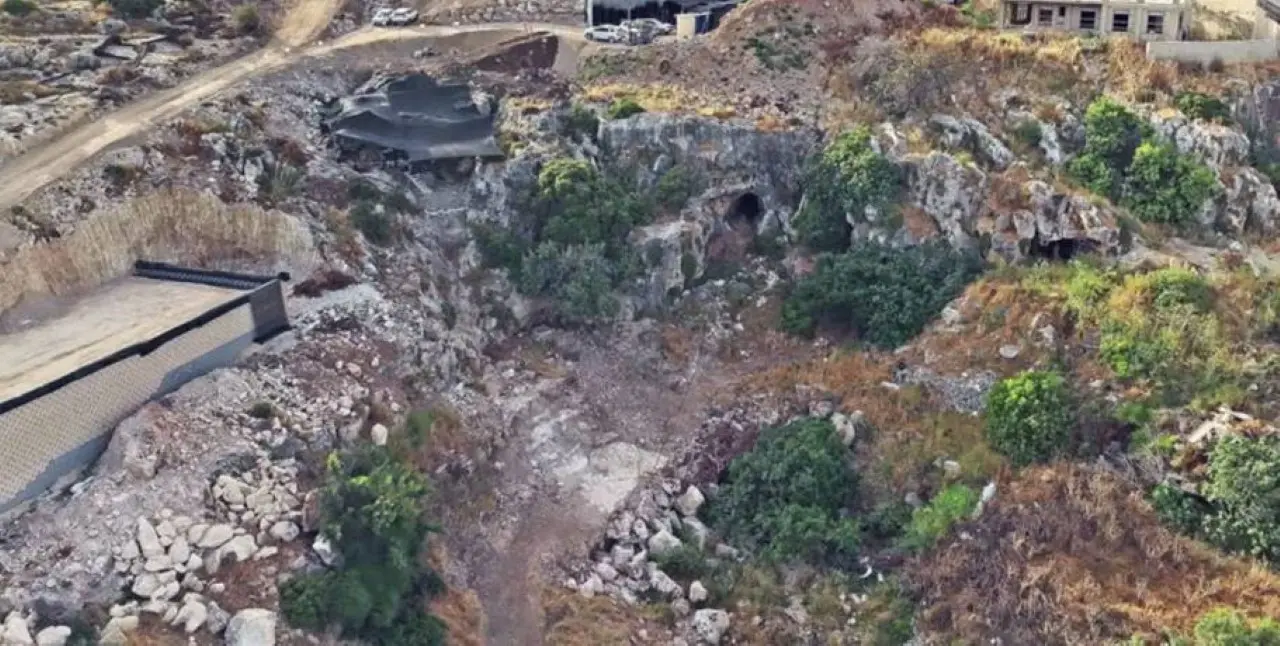
Researchers in Israel have announced the discovery of a cave that was inhabited by pre-Neanderthal human ancestors, revealing a 400,000-year period in history. This archaeological site stands out as one of the few sites from this little-known era that is accessible for in-depth scientific study.
The area, located on the outskirts of Fureidis, a city located in northern Israel, caught the attention of archaeologists. The intervention came when the cave was about to be impacted by a civil construction project, prompting the investigation.
Initially, experts in the 1970s estimated that the cave could have been used approximately 200,000 years ago. The information was shared by Kobi Vardi, an archaeologist at the Israel Antiquities Authority, during a recent interview.
However, new analysis by Vardi and his colleague Ron Shimelmitz, associate professor of archeology at the University of Haifa, indicated a much older chronology. Current research suggests the site was occupied up to 400,000 years ago.
The team reached this conclusion after identifying several flint tools. Among the artifacts found were hand axes, scrapers and blades, all characteristic of the Acheulo-Yabrudian culture, a group of pre-Neanderthal hominids that lived in the region at that time.
More on this story: Historic discovery in Israel reveals complex pre-human society with 400,000-year-old artifacts
Kobi Vardi expressed surprise at the age of the cave, stating that the revelation was unexpected. He highlighted that the site was used by members of the Acheulo-Yabrudian culture, who populated the Levant area, also known as the Near East, between 400,000 and 250,000 years ago.
In addition to tools, exploration of the cave also brought to light animal bones. Species such as deer and gazelles were among the finds, indicating the fauna of the time.
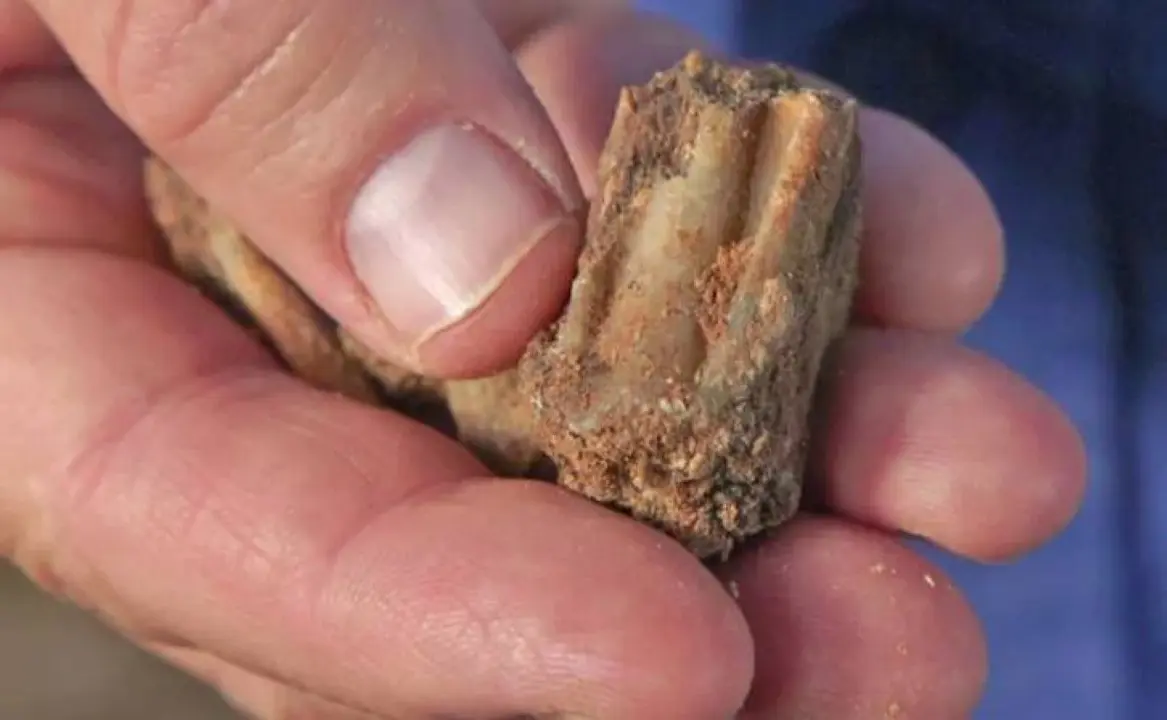
These discoveries suggest that large communities of hominids lived in caves, hunting wild animals and using fire. Ron Shimelmitz, in an official statement, described this scenario as a “complex and rich camp”, indicating an advanced social organization for the time.
Despite the wealth of artifacts, to date, no significant human remains have been found. No direct fossil remains of hominids have been discovered in the explored caves from this period.
On the same topic: Routine patrol discovers unique cave in Thailand with 2,000-year-old rock art during forest patrol
See Also



The encounter between humans and Neanderthals in history
Professor Shimelmitz highlighted that the cave at Fureidis represents a “unique site of global importance” for archaeology. He considers it a “time capsule.”
This site dates back to a pivotal moment in the late Lower Paleolithic, the period before the rise of Neanderthals and modern humans. It was a phase in which these species had not yet spread and become dominant in different regions of the planet.
The researcher also noted that archaeological sites that document this important phase in Israel and the Levant are rare. Most of the few known sites are difficult to access for in-depth research.
Given the relevance of the discovery, the team presented the results to the construction company responsible for the work. As a consequence, a road bridge was adapted in the project to protect the cave and guarantee access for future archaeological investigations.
Learn more: Neanderthals used stone tools to treat tooth decay 59,000 years ago
Vardi said that researchers plan to carry out comprehensive studies at the site. The expectation is that the next phases of research will extend over several years.
He expressed great optimism about the next steps, stating that there is hope of finding hominin remains in future excavations. The search for these remains is a central objective of the team.
The importance of the discovery for understanding human evolution
Armando Falcucci, professor of Paleolithic archeology at the University of Southampton, who was not involved in the research, commented that the discovery expands knowledge about an often neglected phase of human history. He emphasized that the site is of great value as it highlights a crucial period of behavioral and technological change in both Africa and Eurasia, including the transition to the frequent and centralized use of caves as settlements.
Falcucci highlighted that evidence of cave deposits from that time is extremely rare in the region, making the discovery even more significant. The transition to the habitual and controlled use of fire is a behavioral milestone in human evolution that gains archaeological visibility in this type of site.
Another expert, Catriona Pickard, professor of prehistory and archeometry at the University of Edinburgh, also not involved in the study, reinforced the impact of the discoveries. She explained that the evidence provides valuable information about the material culture and lifestyle of early hominids and could redefine understanding of the Lower Paleolithic in the Levant.