Unprecedented transplant: 35-gram heart saves nine-month-old baby in São Paulo hospital

In a remarkable feat of Brazilian medicine, a nine-month-old baby named Arthur received a 35-gram heart transplant, a procedure considered extremely rare and delicate. The surgery, which required the use of magnifying glasses to manipulate the small organ, was carried out at Beneficência Portuguesa in São Paulo (BP) and allowed the boy, who spent 161 days in hospital, to celebrate his first birthday at home.
Arthur’s story moved the medical team and family. Despite being born healthy on August 30, 2024, his heart was attacked by a virus when he was two months old, leading to very serious heart failure. The condition required dialysis and the urgent need for a new heart, a hope that came true after a surprisingly short wait.
On the same topic: Child with exposed organs receives unprecedented Botox treatment in Iowa
Arthur’s fight against early heart disease
Little Arthur’s health condition did not originate from a congenital condition, but from a common virus, contracted when he was around 15 days old. According to the father, Daniel Prado, 37 years old, the baby had a fever and was hospitalized for two days, but without any major complications apparent at that time.
Learn more: Investigation points to flaws in Domenico’s transplant; dry ice is a central focus of controversy
However, at two months, Arthur began to show warning signs, such as difficulty gaining weight and panting during breastfeeding. Cardiological tests revealed that his heart’s pumping capacity, ejection fraction, was at an alarming 17%, far below the normal range of 50% to 77%. This viral infection resulted in myocarditis, inflammation of the heart muscle, which progressed to dilated cardiomyopathy, severely compromising the organ’s function.
Need for transplant and the unexpectedly short wait
Initially, the BP medical team tried to stabilize Arthur’s condition with medication, without success. In March 2026, the family received the devastating news that the baby’s heart had gone into irreversible failure, and a transplant was the only chance for life. A long wait was expected, possibly a year, due to the rarity of donors for such young children. To stay alive while he waited, Arthur needed a device called the Berlin Heart, an extracorporeal heart ventricle that pumped blood to the body.
See Also

Electrical discharge knocks man off roof in Jaguaruana after contact with power lines
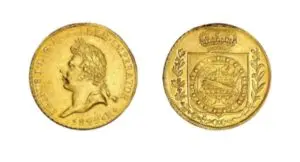
Global auction raises US$11.9 million and Brazil’s historic currency reaches record value

Former fighter Prichard Colón dies at age 33 after decade in a vegetative state
More on this story: Vampeta’s daughter, Giovanna Santos, faces hospitalization after assault and neglect in US prison
Arthur’s situation reflects the scarcity of organ donations in this age group. The Ministry of Health recorded only nine heart transplants in patients under one year old in the entire previous year. However, to everyone’s surprise and relief, Arthur found a compatible donor in just 19 days after being included in the queue, shortly after completing nine months. The organ came from a baby of the same age, who was confirmed brain dead at a hospital in São Gonçalo, in Rio de Janeiro.
The race against time to transport the vital heart
The news of the heart’s availability reached the Beneficência Portuguesa team and Arthur’s family on June 7, 2026. From that moment on, a real race against time began, as the heart, once removed from the donor, has a window of just four hours to be transplanted.
The logistical operation to guarantee the quick and safe transport of the organ was complex and involved multiple means:
- Plane:Pediatric cardiologist Carolina Campos and cardiovascular surgeon Luiz Fernando Caneo boarded an executive jet for Rio de Janeiro.
- TransplantAR Solidarity Aviation Program:This initiative by the government of São Paulo, in partnership with the Brazilian Aviation Institute (IBA), was crucial, using private aircraft owners who donate flight hours to transport organs.
- Flight time:The journey from São Paulo to Rio took just 34 minutes; the return trip, with my heart, took 44 minutes.
- Land and air supplement:Helicopters and ambulances were used to complete the journey to the BP helipad, where the medical team landed at around 3pm.
The delicacy of surgery and the recovery of the little patient
While the retrieval team returned with the organ, Arthur was already in the operating room. Due to time constraints, a team of surgeons prepared the patient by opening the chest so that the transplant could begin immediately after the heart arrived. Outside, Arthur’s family, including his three-year-old older brother Ravi, waited anxiously.
Learn more: Boy’s death after heart transplant reveals serious error with dry ice and triggers police investigation
The operation was extremely thorough, given the baby’s age and weight (around seven kilos), and the size of the donated heart, which fit in the palm of the hand and weighed less than an egg. Surgeon Luiz Fernando Caneo and team leader Beatriz Furlanetto used specialized instruments and magnifying glasses to perform the necessary delicate sutures. Although the transplant technique is similar in adults and children, the size of the structures requires even greater precision in such young patients.
After successful surgery and a period of intensive recovery, Arthur was discharged this July, allowing the family to celebrate his first birthday at home, a milestone that, until recently, seemed like a distant dream.