US delegation leaves UN session after criticism from France
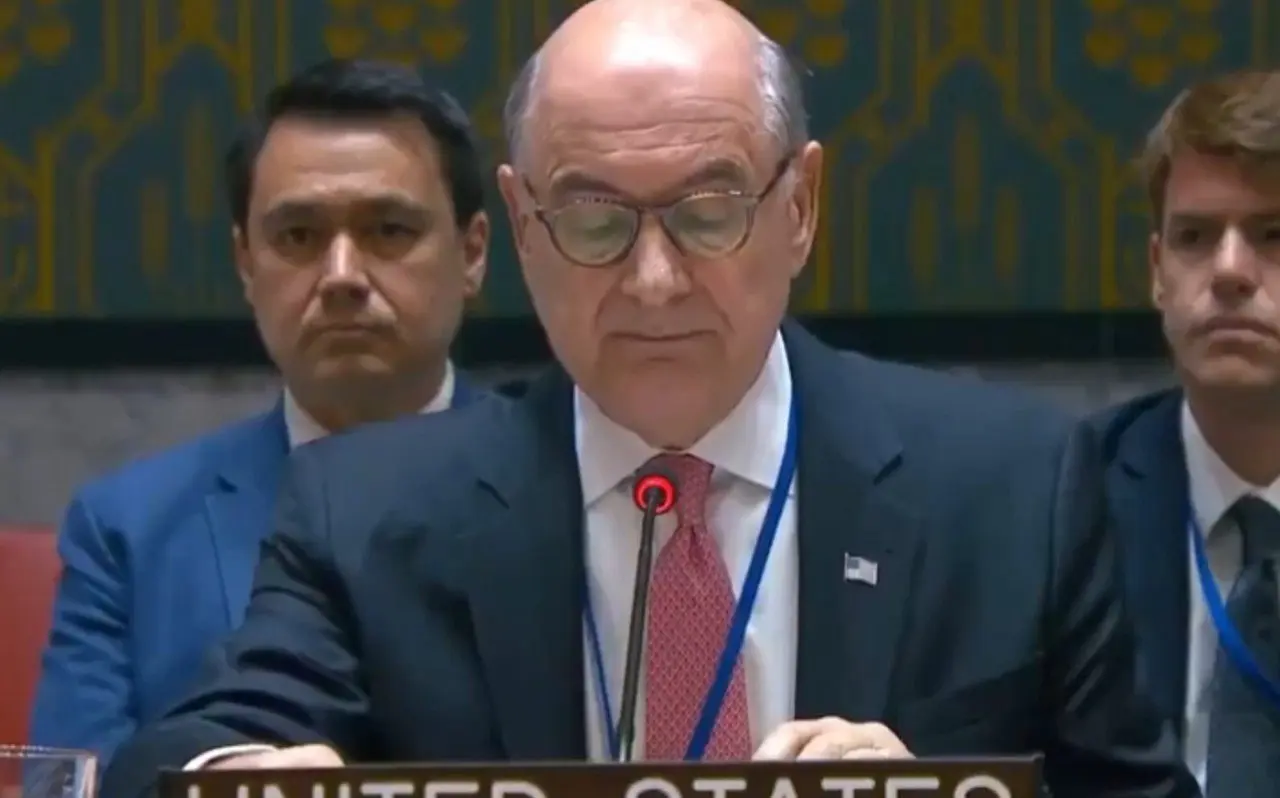
A United States delegation briefly withdrew from a United Nations Security Council meeting during France’s speech. The act of protest came after the European nation criticized the American record on human rights.
Dan Negrea, the United States’ alternative representative to the United Nations, accused France of falsely demonstrating “moral outrage” while trying to lecture the world on the conflict in Ukraine and general human rights issues.
“It was for this reason that we withdrew during France’s intervention,” declared Negrea during the meeting that addressed the Russian conflict in Ukraine. He described the French attitude as a “hypocritical” and “tiresome” speech, which, according to him, had been tolerated until then out of a sense of companionship and mutual respect among the permanent members of the Security Council (P5).
More on this story: Israeli and US offensive against Iran forces emergency meeting of the UN Security Council
Negrea continued, stating, “We have supported this member state in every conflict in which its freedoms have been endangered, and today I remind you that it is the United States that remains the beacon of freedom to the world.” The representative emphasized that the American delegation will not grant “the benefit of hearing their political and condescending rhetoric” until France renounces this stance and behaves in a manner consistent with its position on the council.
The diplomatic controversy arose after the French Mission to the UN in Geneva criticized the United States for opposing the reappointment of Volker Türk for a second term as United Nations High Commissioner for Human Rights, a position he has held since 2022.
Türk received majority support from member countries on July 25, 2026, with 144 votes in favor of its permanence. Only ten nations, including the United States, voted against, and thirteen abstained.
Learn more: Former boxer Prichard Colón dies aged 33 after long battle with brain injury
Through a post on its social networks on July 26, 2026, the French Mission stated: “The USA used to be a beacon of human rights. Not anymore. Today, it is alongside North Korea, Nicaragua, Mali and Russia, isolated. And the world no longer listens to it”, using the hashtag “America Alone”.
Mike Waltz, US ambassador to the UN, described the criticism as “disappointing but not surprising”.
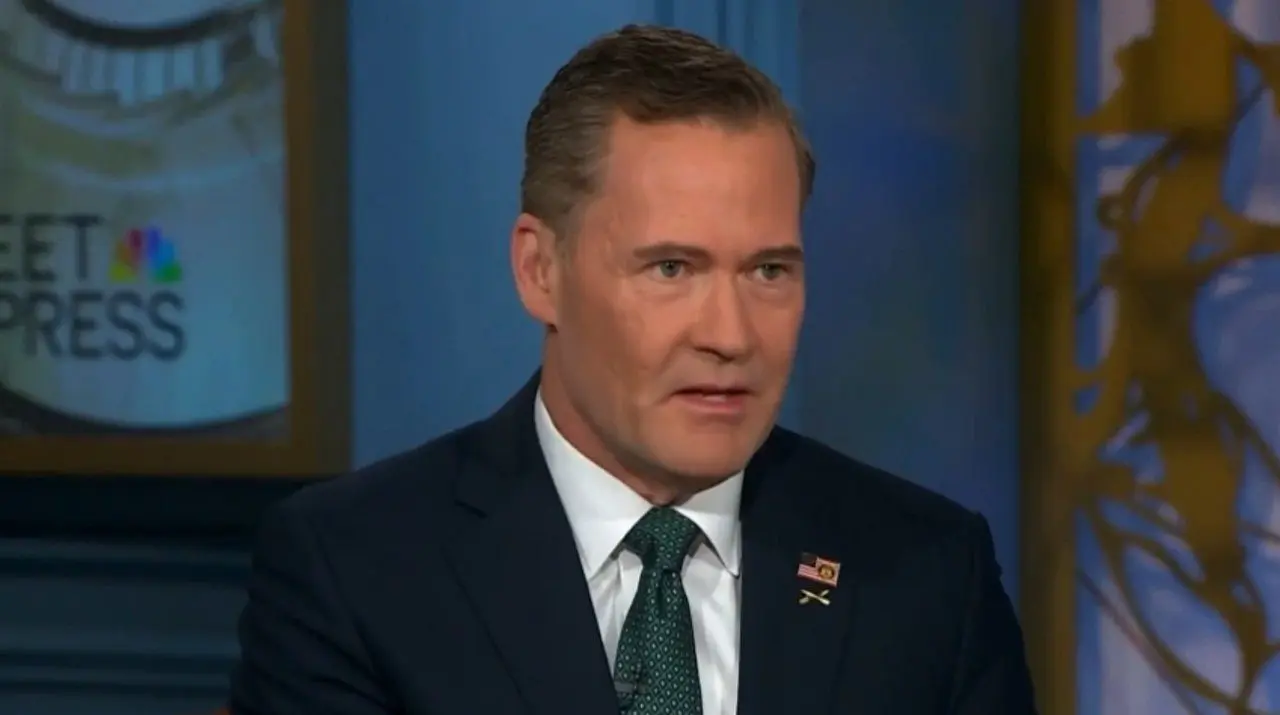
He claimed that “France voted for someone who has taught free and sovereign democracies like the United States, the United Kingdom and Israel, while cozying up to the world’s worst oppressors.”
See Also

Electrical discharge knocks man off roof in Jaguaruana after contact with power lines

Global auction raises US$11.9 million and Brazil’s historic currency reaches record value

Former fighter Prichard Colón dies at age 33 after decade in a vegetative state
A frequent critic of Israel’s military operations, Türk recently expressed concern about the continued displacement of people due to Israeli attacks on Lebanon. He also called for a “massive review” of US immigration policies ahead of the World Cup in June.
On the same topic: UN General Assembly elects Portugal as non-permanent member of the Security Council
Jeff Bartos, US representative for UN Management and Reform, also criticized Türk’s reappointment, warning that “there will be consequences” in the future. He warned that “the United States will reassess our engagement, participation and funding” toward the organization.
Near the end of the tense council meeting, French ambassador to the UN, Jérôme Bonnafont, mentioned that France had participated in the July 4 celebrations for the 250th anniversary of the United States and reaffirmed the commitment to work together for a greater cause.
He stated that “the United Nations was created with the aim of working for international peace and security, human rights and development.” Bonnafont added that “all this forms the spirit with which France acts within the United Nations (…) to preserve this institution, its independence, its ability to act in the service of the charter and of human rights and peace.”
More on this story: Israel and Iran exchange serious accusations at the Security Council over nuclear program and militias
The United States’ brief departure reflects not only the strained relationship between US President Donald Trump and French President Emmanuel Macron, but also a growing rift between the US and several of its European allies.
These broader tensions have focused on issues such as NATO defense spending, the withdrawal of American troops in Europe and Trump’s calls for the United States to take control of Greenland.
Trump has also repeatedly criticized European allies for not actively engaging in the Iran conflict, even threatening to cut off all trade with Spain during a controversial moment at the NATO summit in Turkey earlier this month.