Intensity 7 earthquake causes explosion and paralyzes transport
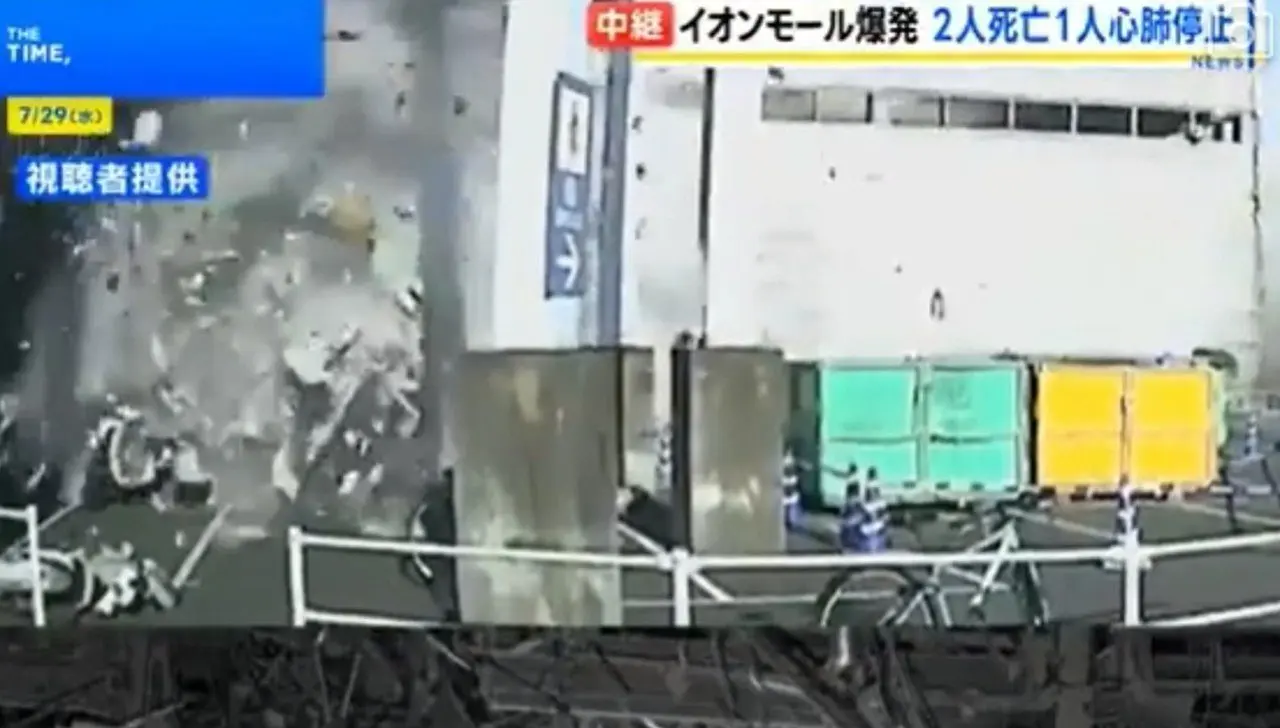
A strong earthquake, which reached a maximum intensity of 7 on the seismic scale, shook Kumamoto Prefecture around 4:30 pm on July 28, 2026. Authorities continue to release updates on the extent of the damage, the effects on the transportation system, and details about the causes and impacts of the tremor in the region.
Damage and human losses recorded after the tremor
Kumamoto Prefecture confirmed, as of 2pm on July 29, 2026, a total of 12 deaths and 82 injuries as a result of the earthquake. Among the injured, six were in cardiorespiratory arrest and eight were in serious condition. Five of the fatalities were recorded at the Nippon Paper factory in Yatsushiro, in the city of Yatsushiro, and three at the Aeon Mall Kumamoto shopping center, located in the city of Kashima, indicating the wide distribution of the impacts.
To shelter the displaced, 432 evacuation centers were activated, receiving 8,886 people. Furthermore, electricity cuts affected around 34,880 homes throughout the city hall, creating a scenario of great instability and difficulty for the population.
The Fire and Disaster Management Agency of the Ministry of Internal Affairs and Communications detailed that, of the 11 deaths confirmed in Kumamoto Prefecture as of 2pm on July 29, 2026, bodies were found in Yatsushiro (5), Kashima (2), Hikawa (2), Uki (1) and Kosa (1).
Learn more: Ise warship becomes vital logistics hub for relief in Kumamoto, Japan
JUST IN: 13 killed after powerful 6.8-magnitude earthquake strikes Japan’s Kumamoto https://t.co/xUCZPV6YHQ pic.twitter.com/gfP7sWNB88
— Rapid Report (@RapidReport2025) July 29, 2026
Specifically in the city of Yatsushiro, three of the five victims were located at the Nippon Paper Industries factory, which suffered serious structural collapses.
Explosion at Aeon Mall Kumamoto
An explosion occurred at the Aeon Mall Kumamoto shopping mall in Kashima City at around 5:50 pm on July 28, 2026, about an hour and twenty minutes after the main earthquake. The incident added a new level of emergency to the post-earthquake scenario.
See Also

Electrical discharge knocks man off roof in Jaguaruana after contact with power lines

Global auction raises US$11.9 million and Brazil’s historic currency reaches record value

Former fighter Prichard Colón dies at age 33 after decade in a vegetative state
In a press conference held on July 29, 2026, Aeon reported that, by the evening of the same day, three people had died at the scene, one was in cardiac arrest, one was rescued and four others were taken to hospitals with injuries. Additionally, the whereabouts of three specialty store employees at the mall remained unknown.
The company suspects a possible gas leak as the cause of the explosion. Aeon stated that it is investigating whether the emergency gas cut-off device was activated and assured that it will provide all necessary information to the fire department to assist in determining the exact cause of what happened.
On the same topic: Experts warn of stress buildup and ongoing crustal deformation on active faults in the Kumamoto region
Stopping of trains and highways throughout the region
The earthquake also caused severe disruptions to transport services. JR Kyushu, responsible for rail transport, resumed Kyushu Shinkansen service only between Hakata and Chikugo-Funagoya stations shortly after 5pm on July 29, 2026. The section between Chikugo-Funagoya and Kumamoto is expected to reopen by July 30, 2026.
However, the line between Kumamoto and Kagoshima-Chuo stations suffered serious damage to tracks and other structures. Due to the need for extended time to investigate the full extent of the damage, there is still no set date for the complete resumption of service on this section, impacting thousands of passengers.
Regarding conventional lines, the expectation is to resume operations on the Kagoshima Line, north of Kumamoto Station, and the Hohi Line by July 30, 2026. However, the Kagoshima Line, south of Kumamoto Station, and the Misumi Line, will require a more complex and prolonged restoration plan before any resumption of activities.
More on this story: Nippon Paper mourns deaths in Yatsushiro and investigates chimney collapse after earthquake
NEXCO West Japan detailed the damage to highways at a press conference at 2pm on July 29, 2026. A total of 110.8 kilometers of major expressways were closed, including sections of the Kyushu Highway (Kumamoto Airport Junction at Mashiki – Ebino Junction), the Minami Kyushu Highway (Yatsushiro Junction – Mashiki Junction Hinagu) and the Kyushu Chuo Highway (Kashima Junction – Mashiki Toll). Significant track damage was reported, such as problems with bridge joints, irregularities and holes in the pavement in dozens of locations, with severe damage to the Kawada, Katanogawa and Myoken Daiichi bridges.