Apple’s change in plans launches cheaper headset for the end of 2028
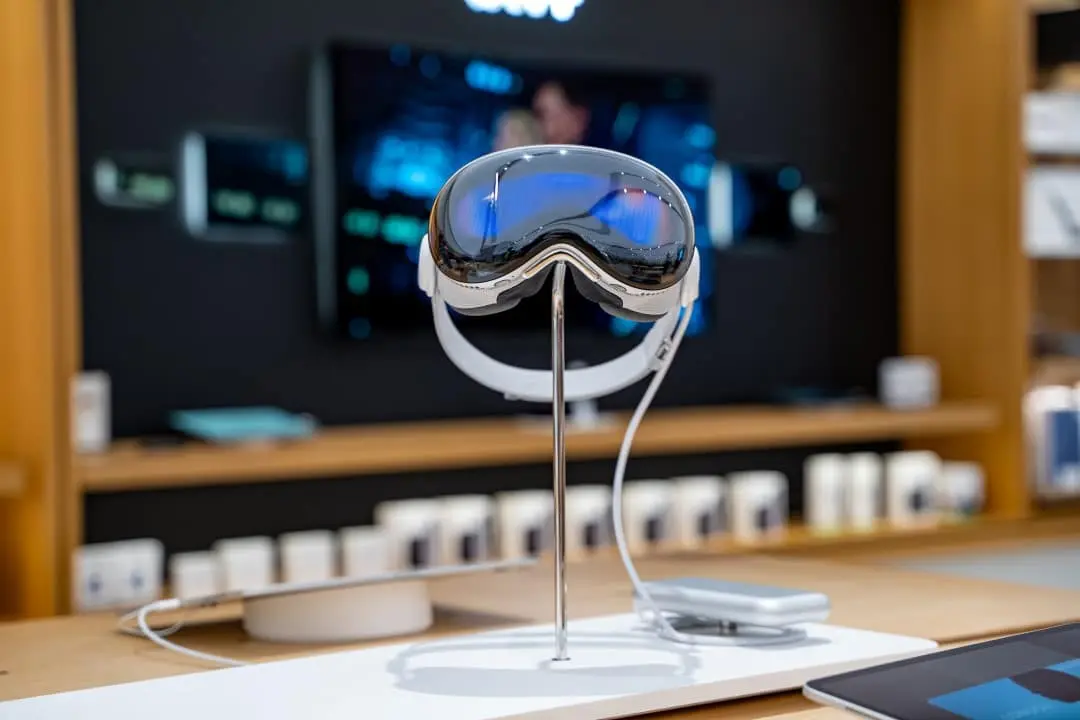
The Cupertino giant drastically changed its release schedule and pushed the arrival of a low-cost mixed reality headset into the distant future. According to information revealed by journalist Mark Gurman, in his traditional Power On column for the Bloomberg agency, the most financially viable equipment should only see the light of day between the last months of 2028 and the middle of 2029.
Faced with this change of direction, the iPhone manufacturer redirected its energies to creating glasses equipped with artificial intelligence. This strategic shift caused a real musical chairs dance within the brand’s laboratories, profoundly changing the structure of the department focused on computer vision technologies.
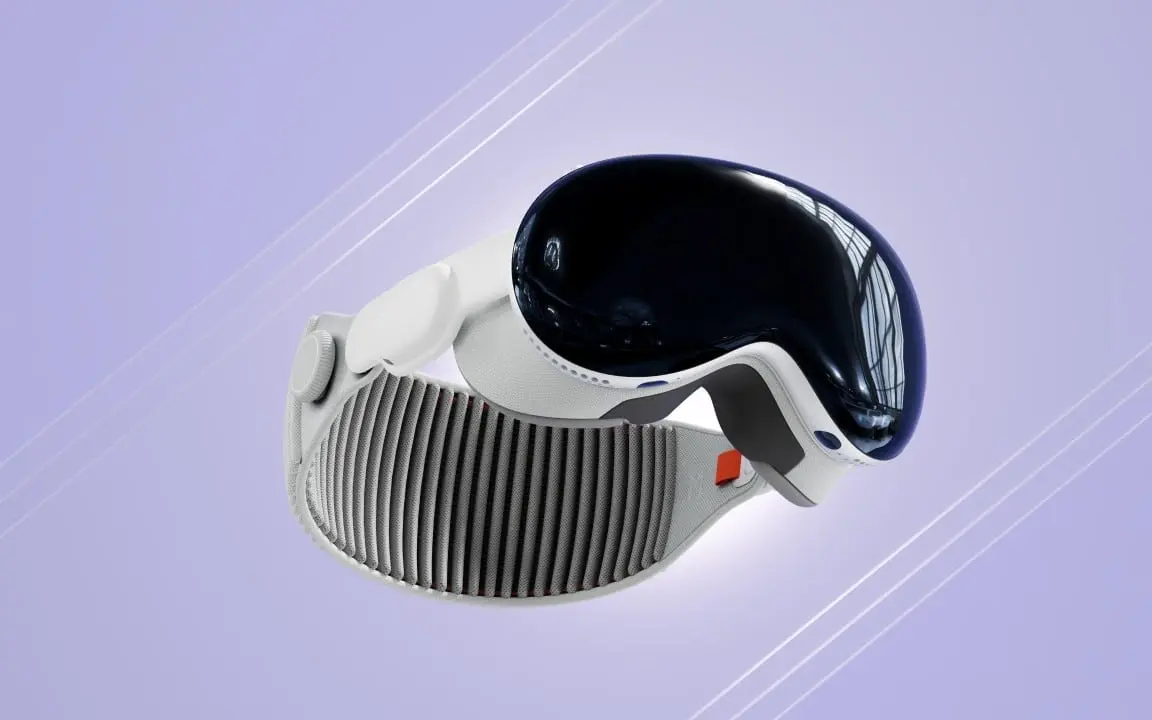
Crucial factors that forced the interruption of the low-cost project
The brand’s first space device hit the shelves costing an exorbitant US$3,499, a value that exceeds the R$17,600 mark in direct conversion. In addition to the financial barrier, the use of noble materials such as glass and aluminum in the main structure resulted in heavy equipment, causing physical fatigue in those who use it for prolonged periods, which forced the board to freeze the development of the economic variant.
- Amount currently charged for space equipment: US$3,499.
- Frequent complaints from buyers: physical discomfort and financial barriers.
- Short-term objective: resolve ergonomic flaws before releasing new versions.
- Employee movement: talent transfer to the smart glasses division.
- Portfolio maintenance: The edition equipped with the M5 chip will continue to be the industry standard.
Behind the scenes, the company’s top management is fully aware that it is impossible to popularize this technology without first resolving the ergonomic and economic viability bottlenecks that keep the common consumer away.
Learn more: Samsung’s next event reveals new foldable cell phones and smart glasses
Drastic changes in the visual hardware development team
To meet the new objectives, there was a severe dismemberment in the sector responsible for immersion equipment. A massive portion of programming and physical engineering experts have been relocated to the secret project called N50, fragmenting the old team to ensure that the new bet receives full attention.
The movement highlights long-term planning, aiming directly at the success achieved by the partnership between Meta and Ray-Ban, whose glasses start at US$299 and lead the smart wearables segment. To compete in this space, Apple is betting on building an extremely light accessory, devoid of heavy internal displays and completely dependent on the processing power of the Apple Intelligence ecosystem.
Artificial intelligence accessory takes center stage in the company
Treated internally as a direct complement to the brand’s smartphones, the new wearable gadget took over the top of the priority list. Although the original planning aimed for a debut at the end of 2026, the calendar was readjusted to end 2027, promising to deliver a design equipped with vertical capture lenses, highly sensitive microphones and the ability to read the environment around the user.
Completely avoiding the visual isolation provided by virtual helmets, the new feature will adopt an aesthetic similar to conventional prescription or sun frames. Interaction will occur mainly through vocal commands and scene analysis, leaving complex holographic projections saved for the next decade, as the immediate goal is to deliver a comfortable product for uninterrupted use throughout the day.
See Also

Electrical discharge knocks man off roof in Jaguaruana after contact with power lines

Global auction raises US$11.9 million and Brazil’s historic currency reaches record value

Former fighter Prichard Colón dies at age 33 after decade in a vegetative state
The extra time given to engineers will serve to improve the interpretation of images by artificial intelligence, a technical obstacle that had been causing headaches in the most recent tests carried out in Californian laboratories.
Mixed reality platform enters a period of stagnation
While the popular edition does not come to life, the market will have to be content with incremental updates to the luxury model, which will receive the M5 processor and the double fastening bracelet as major differentiators. Without the plan to introduce new hardware in this category for the next 36 months, the manufacturer’s spatial computing sector will enter a kind of strategic hibernation.
On the same topic: Snap launches $2,195 Specs glasses with focus on human interaction and bold design
Financial market experts point out that the niche of alternative realities is still in its infancy and lacks commercial maturity. Because of this, the technology giant preferred to turn off the billion-dollar investments until it discovered the exact formula to make production cheaper and make use more intuitive.
Direct impacts for the end public and software creators
Technology enthusiasts who have been waiting for a financial opportunity to enter the world of spatial computing will have to exercise patience for a few more seasons. On the other hand, the dedication to smart glasses promises to inaugurate unprecedented forms of continuous interaction with the brand’s watches and cell phones, creating an even more connected network of devices.
For programmers who create applications aimed at the visionOS system, the scenario requires adaptation, as the current hardware will continue to be the only test base available. The absence of abrupt technological leaps in the short term guarantees a more stable platform for creating codes, although it considerably slows down the pace of revolutionary innovations in the immersion sector.
All this corporate maneuvering makes it clear that the manufacturer has decided to ride the current market wave, prioritizing discreet wearable accessories that are strongly anchored in artificial intelligence tools, leaving the science fiction of virtual helmets for a second moment.
Full coverage: Latest News (EN)