Apple details reason for excessive battery consumption on iPhone after installing new iOS

Consumers around the planet who use Apple brand smartphones reported a drastic drop in energy autonomy shortly after applying the latest operating system package. Discussion forums and social networks were flooded with questions from customers concerned about a possible defect in the platform. The main symptom reported is the constant need to connect the device to the socket, even without changing the daily routine of using applications.
Given the global repercussion, the manufacturer decided to officially speak out to clarify the technical behind-the-scenes of this phenomenon. The technology giant confirmed that higher than normal energy expenditure is entirely predictable in the first few days following a major software transition. Historically, this pattern of behavior occurs every year since the first major structural changes in the ecosystem, being a temporary and fundamental stage for the cell phone to be able to optimize new features in a personalized way.
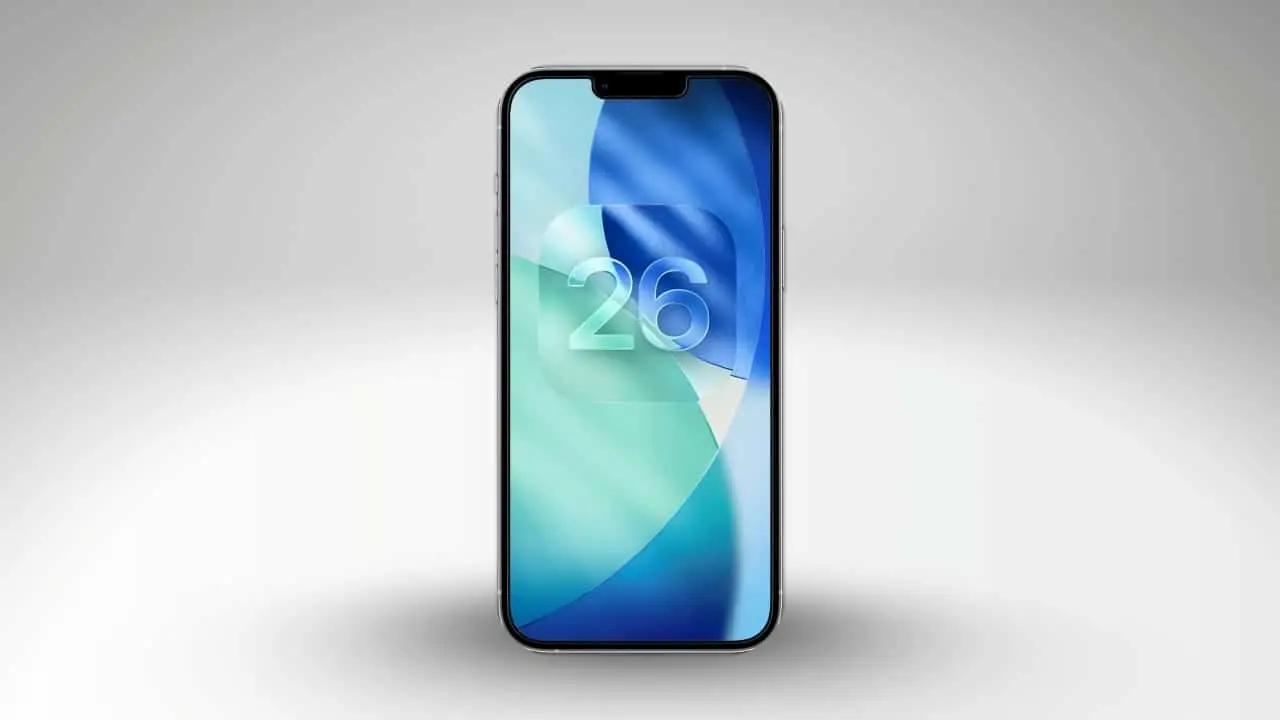
The core of this technical justification rests on the intense silent work that takes place behind the scenes of the device. Once the installation is complete, the virtual environment begins a complete scan to restructure databases and recreate cache files essential for smooth browsing. This computational effort requires a massive processing load, draining the load quickly to ensure that innovations run as quickly as possible.
Understand how silent processing affects load in the early days
During the critical 48-72 hour post-upgrade window, rapid exhaustion occurs because the device is rebuilding the index of all documents stored in memory. This effort directly affects specific areas of daily functioning:
- Native search tools, which need to read each sector of storage to quickly find contacts and messages.
- The gallery application, which uses intelligence to recognize faces and scenes locally, preserving privacy.
- Cloud synchronizations and code optimization keep the processor operating at maximum capacity.
The arrival of artificial intelligence tools increases the hardware effort
The introduction of the brand’s advanced package of cognitive resources represents a significant extra weight in this consumption equation. Designed to work autonomously within the phone itself, this technology demands a colossal effort from the neural engine embedded in modern chips, carrying out complex mathematical operations without depending on external servers.
Although this closed architecture guarantees almost instantaneous responses and shields customer data from leaks, the immediate cost falls on energy autonomy. Creating images generated by text commands, improving the understanding of the virtual assistant, and reading emails to generate summaries require the machine to learn the owner’s habits, an ongoing training that drains the battery in the initial phase.
Learn more: Failed iOS 26.2.1 system update crashes Apple cell phones and destroys battery life
Implementing this intelligent layer means the phone is never truly at rest. Even with the screen off and without human interaction, the electronic brain continues to analyze the context to anticipate future needs, raising the minimum level of energy required to keep the equipment running.
Devices from previous generations suffer a more severe impact on autonomy
All equipment eligible to receive the software package goes through this stress, but owners of editions released a few years ago, such as lines 12 and 13, feel the blow more intensely. Cell phones from past generations contain less efficient silicon components and batteries that no longer have the same physical strength as recent launches.
To be able to deliver the same visual and functional experience, aging hardware needs to operate at the limit of its thermal and processing capacity. Added to this, the natural chemical wear of lithium-ion cells over the years reduces the total available energy tank, meaning that any peak demand results in scary percentage drops in the display marker.
The importance of updating applications developed by third parties
A detail often ignored by the public during these ecosystem transitions is the behavior of programs downloaded outside of native tools. Independent software creators need to adjust their code to correctly communicate with the platform’s new power management rules, and outdated versions end up generating internal conflicts that overheat the motherboard.
More on this story: Samsung plans to redesign the structure of the Galaxy S27 Ultra to integrate a larger battery and Qi2 standard
See Also

China’s Shenzhou-23 mission reveals views of Earth from Tiangong station

Manchester City receives third offer from Barcelona for Rodri worth between €60 million and €80 million

Former boxer Prichard Colón dies aged 33 after long battle with brain injury
Due to this lack of harmony, it is crucial to visit the official online store in the days following the system change and apply all available correction packages. Oftentimes, mysterious load draining is the sole fault of a single messenger or social network that has entered an infinite loop in the background, something that quickly resolves itself with a simple corrective download.
Manufacturer’s guidelines to minimize disruption during the transition
To calm tempers, the company established clear guidelines on how to deal with this turbulent period. The main recommendation is to remain calm and wait, as the engineers guarantee that the complete stabilization of the platform occurs naturally within a maximum period of three days after the end of the installation.
In order to speed up the completion of these heavy tasks, the technical guidance is to leave the smartphone connected to the charger and linked to a high-speed wireless network during sleep. This practice allows the processor to work at its maximum power to organize the files without compromising the owner’s usability the next morning.
On the same topic: New smartphones from the Redmi line hit the market with a record 10,000 mAh battery
Providing continuous power and stable internet creates the perfect scenario for the machine to resolve its internal issues quickly. It is during the early hours of the morning that the device is able to download additional packages, send backup copies to remote servers and finish scanning images without suffering interruptions.
In addition to the user’s own actions, the company usually releases small code patches a few weeks after the release of a major version. These minor updates are solely for the purpose of plugging programming holes, eliminating unforeseen glitches, and further refining communication between hardware and software.
Learn how to check the physical health of the power component
People who continue to experience difficulties after the adaptation period should investigate the physical integrity of the piece. By accessing the settings menu and navigating to the energy health section, it is possible to view the maximum charge retention capacity; If the number is below the eighty percent mark, chemical degradation has reached a critical point and replacement of the component by a service center becomes inevitable.
Outlook for upcoming operating system fixes
Observing the brand’s development history, the tendency is that the next compilations of the system will bring considerable relief to daily consumption. The engineering team uses diagnostic reports sent anonymously by millions of devices to map processing bottlenecks and apply surgical solutions remotely.
The temporary sacrifice of autonomy right after a major technological turnaround is the inherent cost of having access to more capable and safer tools. As the platform matures and fine adjustments are distributed, battery life tends to normalize, delivering a consistent user experience that is often superior to what was recorded in the previous edition of the software.
More on this story: Next iPhone 18 Pro Max could be Apple’s heaviest with larger battery and cooling system