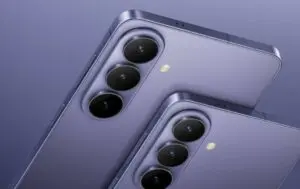
New smartphones from the Redmi line hit the market with a record 10,000 mAh battery
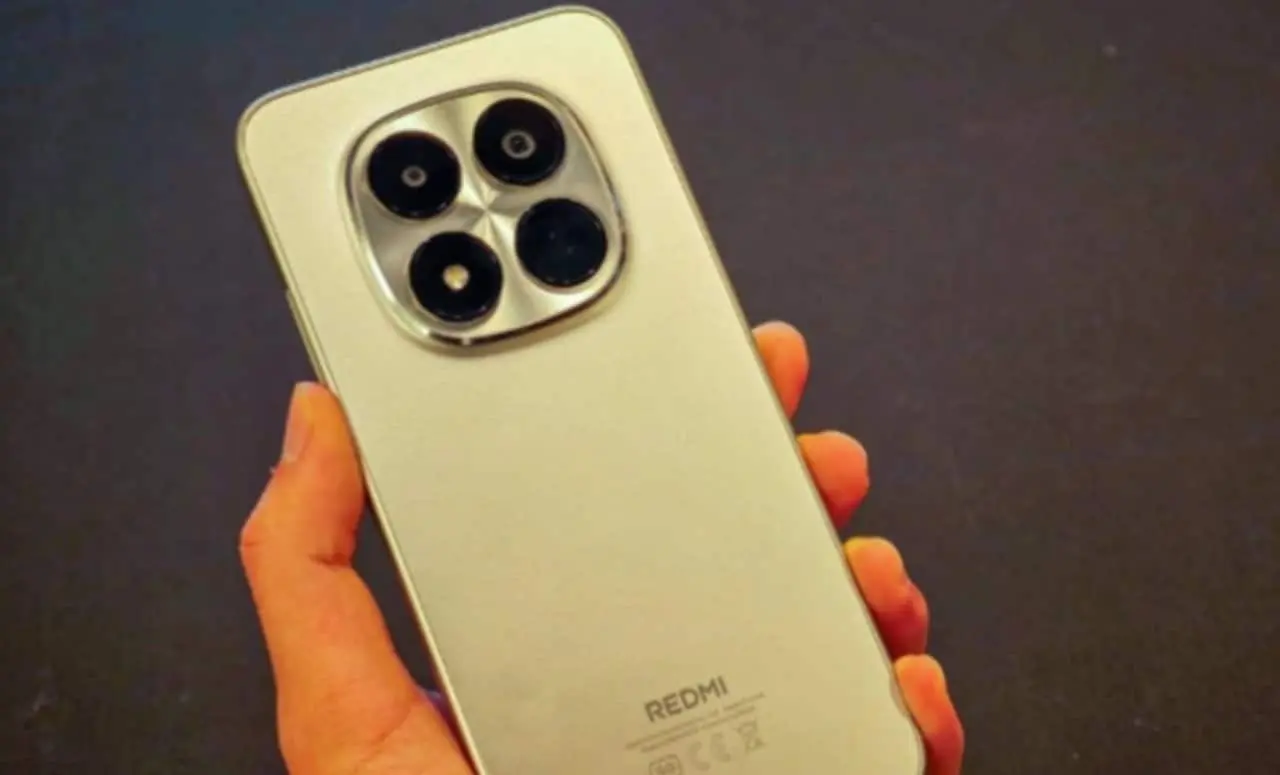
Xiaomi’s mobile devices division is working on developing a new family of smartphones that promises to transform the industry’s autonomy standard. Behind-the-scenes information from the Asian supply chain reveals that the Chinese manufacturer is preparing to announce three new devices, all equipped with 10,000 mAh energy components. The strategic move seeks to capture a segment of consumers who prioritize uninterrupted phone use during travel or long workdays.
Currently, the industry standard for mid-range and high-end phones is in the 5,000 mAh range. Doubling this technical specification requires considerable engineering effort to accommodate the power cells without turning the device into an excessively heavy or thick piece of equipment. The demand for more time away from sockets has grown exponentially with the popularization of 5G networks and the continuous consumption of high-resolution videos, factors that drain power quickly.
The decision to launch three versions simultaneously indicates an aggressive approach to covering different price points. Instead of testing public acceptance with just one niche model, the brand plans to flood the shelves with options that vary in processing power and camera quality, keeping the super battery as the main unified attraction of the line.
On the same topic: Apple details reason for excessive battery consumption on iPhone after installing new iOS
The practical impact of doubling the energy capacity of appliances
A 10,000 mAh component completely changes the dynamics of using a mobile device in everyday life. In practice, this specification allows a user with a moderate consumption profile to go up to three full days without needing to connect the power cable. For so-called intensive users, who spend hours playing electronic games or using the GPS at maximum brightness, the equipment guarantees at least a day and a half of absolute peace of mind.
The major physical challenge of this implementation involves the density of the lithium-ion cells. Manufacturers have invested in new chemical compositions, such as silicon-carbon anode batteries, which can store more energy in a smaller physical space. Although the exact thickness and weight specifications of the new Redmi are still protected by confidentiality agreements, the expectation is that the company will use cutting-edge technologies to maintain the ergonomics of the products.
In addition to everyday convenience, larger batteries experience less thermal and chemical stress over the years. As the charge and discharge cycle occurs less frequently, the natural degradation of the component slows down. This means that the phone will maintain satisfactory energy performance for a much longer period before requiring a technical replacement.
Chinese manufacturer’s strategy to dominate the cost-benefit segment
Historically, Xiaomi’s sub-brand built its global empire by delivering robust specifications for prices significantly lower than those charged by traditional competitors. The introduction of this trio of devices reinforces the company’s identity of democratizing resources that, until recently, were restricted to industrial equipment or ultra-resistant models aimed at extreme sports.
By diversifying the launch on three fronts, the company is able to reach everyone from the student who needs a cheap cell phone to attend online classes to the app driver who depends on the screen on all day to work. Each version must feature cuts or additions in areas such as display refresh rate and construction materials, adjusting the final value for different financial realities.
The global technology market is experiencing a decline in sales, with consumers holding on to their old devices for longer. Offering a difference as tangible as twice the battery is a direct tactic to encourage device replacement, appealing to a real, daily pain point for practically any smartphone owner.
More on this story: Failed iOS 26.2.1 system update crashes Apple cell phones and destroys battery life
Main technologies expected to accompany the new components
The simple inclusion of a giant energy tank does not guarantee a good user experience if the rest of the hardware does not keep up with innovation. Mobile hardware experts point out that the manufacturer will need to integrate a set of specific solutions to make the project work properly.
See Also

7.7 magnitude earthquake destroys buildings in Indonesia and triggers tsunami warning
Videos of the 7.7 earthquake in Indonesia reveal damage and panic in Asia

Valve store cuts prices and offers PC catalog with 85% discounts
- Ultra-fast charging systems, possibly above 67W, to prevent the user from spending hours waiting for a full charge.
- Screens with adaptive refresh rates that reduce energy consumption to 1Hz when there is no movement in the image.
- Processors built on modern lithographs, focused on thermal efficiency and low consumption in basic tasks.
- Deep integration with the operating system for intelligent background app freezing.
- Advanced vapor chambers and heat sinks to maintain stable temperature during heavy use or recharging.
Reload speed is the most critical point of this project. A 10,000 mAh battery connected to a common 15W charger would take almost an entire night to reach 100%. Xiaomi already masters 120W charging technologies in its premium models, and adapting this speed to the new Redmi line will be fundamental to the commercial success of the products.
In the software field, the recent transition from the MIUI interface to the new HyperOS system brings important advantages. The new code has been rewritten to be lighter and more aggressive in managing idle processes, which should further maximize the physical autonomy delivered by the new giant batteries.
Learn more: OnePlus’ withdrawal from the American market raises alarm for the Nothing brand
Forecast of arrival in stores and distribution in the international market
The Asian industry’s launch schedule tends to follow a well-defined pattern. Sources linked to the production line suggest that the official reveal of the three models will take place during the next quarter. The presentation event should initially take place in China, focusing on the local public and the Asian press.
After debuting in the domestic market, the company usually begins expanding to India, one of its most profitable territories and where the demand for long-lasting batteries is very high. Arrival on the global market, which includes Europe and Latin America, usually takes place with a delay of two to three months in relation to the original announcement.
The logistics of distributing devices with such dense batteries also require strict safety certifications in different countries. International regulatory bodies have strict rules regarding the air transport of high-capacity lithium cells, which requires careful planning on the part of the manufacturer’s operations team.
How the competition reacts to the advancement of long-lasting batteries
Redmi’s movement does not happen in a commercial vacuum. Samsung, for example, has already experienced success in this specific niche with the Galaxy M line, which often features models with 6,000 mAh. Motorola also maintains the Moto G Power family, focused exactly on the promise of days away from the socket, although with smaller capacities than the 10,000 mAh now proposed.
Until now, batteries in the five-figure range were exclusive to smaller brands focused on “rugged phones” (armored cell phones), such as Ulefone and Doogee. Redmi’s big difference will be bringing this massive capacity to a traditional smartphone design, aimed at the common consumer who frequents traditional retail.
The pressure on other technology giants will increase considerably once the devices hit store shelves. The dispute over who delivers the best energy management continues to be one of the main drivers of innovation in the sector, forcing the entire production chain to seek more efficient solutions for the end user.