HyperOS update brings Leica camera tools to Xiaomi entry-level phones
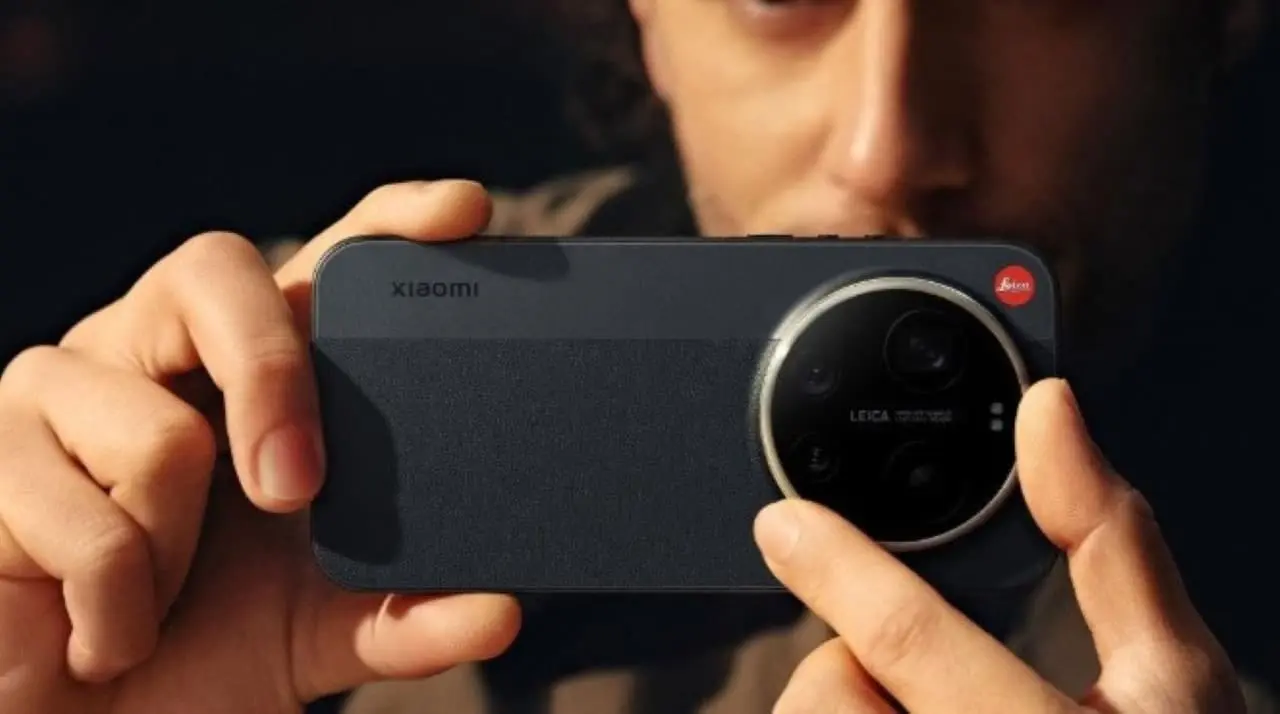
The Chinese manufacturer’s newly launched interface is about to transform the way its customers capture images on a daily basis. The company confirmed that the exclusive photography tools, created in conjunction with the legendary German brand Leica, will now be part of any cell phone running the HyperOS system. Previously restricted to the most expensive devices in the catalogue, these advanced capture options also reach the more affordable models sold under the Redmi and Poco seals.
This strategic move demonstrates the Asian giant’s effort to standardize usability within its new digital environment, which replaced the classic MIUI. By bringing premium image processing to cheaper phones, the company delivers a strong competitive advantage, giving millions of customers the chance to experience the classic look of one of the world’s optical giants without having to spend a fortune.
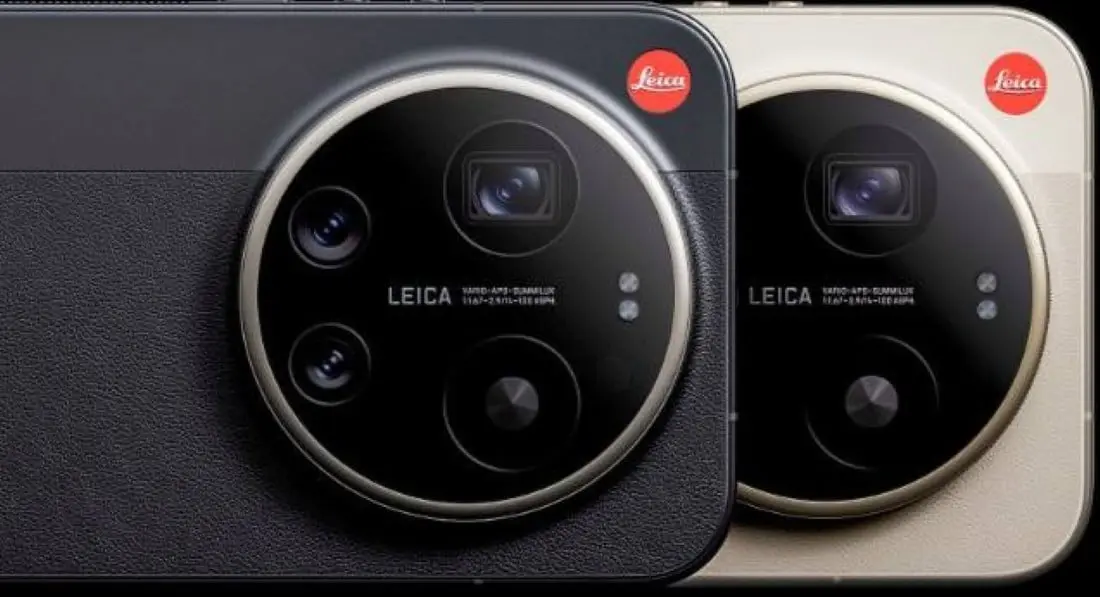
These new features will be delivered in batches, through internet download packages from the virtual environment itself. Once the software is ready for a region, the smartphone owner will see a prompt on the screen to start the process, which will add the new buttons directly to the default photo program, eliminating the need for third-party applications.
How the joint work between the two technology giants works
The commercial agreement signed in 2022 between the Asian manufacturer and the European lens specialist goes far beyond stamping a logo on the back of phones. The engineering teams from both corporations work side by side on the calibration of sensors, the design of optical glasses and, with great emphasis, on the algorithm that processes each click made by the user.
More on this story: HyperOS update unlocks Leica camera features for all Xiaomi phones
The main objective of this duo work is to transport the so-called “Leica look” into consumers’ pockets. In practice, this means delivering photographs with extremely true-to-life tones, elegant shadow balance and background blur that simulates the behavior of dedicated professional equipment. The democratization of this software shows that brands want to popularize high-level image capture.
Top software additions coming to updated phones
With the new package installed, the capture menu gains coloring options that were previously blocked by software. The big highlight is the duo of color profiles called “Leica Authentic” and “Leica Vibrant”, which deliver two completely different ways of interpreting the light and saturation of the same scene.
The authentic option was designed for those who prefer a raw and realistic aesthetic, maintaining the exact colors of the moment and applying a more dramatic contrast between light and dark. This profile is often the favorite choice of street photographers and for capturing faces, as it does not create artificial skin tones.
On the other hand, the vibrant profile works to inject life into the photograph, raising the color and brightness levels to generate a file ready for social media, but without crossing the line into exaggeration. This is the ideal configuration for recording trips, buildings and large scenes that require a more energetic and eye-catching appearance.
In addition to the main profiles, the update carries a gallery of classic filters that simulate the German company’s analog look. Options dedicated to enhancing the late afternoon, intensifying the orange of the sun, or specific adjustments to brighten the night sky, ensure that anyone can achieve artistic results just by sliding their finger across the screen.
Practical advantages when recording everyday moments
Inserting these tools directly into the system’s source code ensures that the cell phone does not suffer from slowdowns when processing heavy files. The individual can test each filter live, observing the color change in the viewfinder before pressing the shutter button, which makes it immensely easier to create the perfect frame according to the ambient light.
See Also

Electrical discharge knocks man off roof in Jaguaruana after contact with power lines

Global auction raises US$11.9 million and Brazil’s historic currency reaches record value

Former fighter Prichard Colón dies at age 33 after decade in a vegetative state
In everyday use, the leap in visual quality is noticeable from the first clicks. Photos of people exhibit richer textures, while open scenes gain a better balance between bright skies and dark ground. Additionally, the refined algorithm helps clean up the grainy noise typical of photos taken at night, saving details that would normally be lost in the darkness.
Learn more: Xiaomi releases HyperOS 3.1 update with artificial intelligence for 70 cell phones
Guidelines for downloading and installing the enhancement package
The Asian corporation confirmed that the file will be sent in waves, reaching groups of devices little by little. This cautious method is standard in the industry, as it allows developers to monitor the system’s behavior and correct any errors before the software reaches millions of units simultaneously.
Anyone who has equipment from the ranges covered simply needs to access the main settings menu and look for the tab dedicated to system updates. As soon as the server grants access to that specific serial number, an alert will appear on the home screen inviting the client to begin transferring the data.
To ensure that the phone is not damaged in the process, the manufacturer advises that the download be done exclusively via stable wireless connections and with the battery at least half full. Once the reset is complete, the European brand’s characteristic red icon will now be visible in the corner of the photo application.
The weight of this strategy for the growth of the mobile market
The decision to release elite functions to the general public immensely strengthens the adoption of the brand’s new operating system. By delivering luxury tools in mid-cost phones, the manufacturer raises the bar for the category and creates a standardized digital environment for all its customers. As the quality of the camera usually dictates the choice of a new phone, having the stamp of a photography legend on cheaper devices creates a gap in relation to direct competitors. This tactic also works as a loyalty anchor, as the consumer realizes a very high cost-benefit when receiving software treats that other brands would charge a lot to offer.
Which smartphone lines should receive the innovations
Even without publishing a definitive schedule with all the names, logic suggests that any phone running the latest interface will benefit. The list ranges from the powerful members of the Xiaomi 14 family to the global bestsellers that make up the Redmi Note line catalog.
The gaming and high-performance phones from the Poco sub-brand, especially the X and F families, are also guaranteed this round of visual improvements. The release of each specific function will depend on the processor of each model, but the code was streamlined precisely to run smoothly even on more modest chips.
On the same topic: Camera comparison puts Sony Xperia 1 VIII and Google Pixel 10 Pro XL head to head
Next steps for the evolution of lenses in cell phones
The breaking of the exclusivity of these tools indicates that the Chinese manufacturer has even more ambitious plans for its imaging department. The market hopes that the coming years will bring an even deeper integration between the two companies, generating physical parts and artificial intelligence codes that will keep the brand at the top of the portable photography rankings.