Samsung cuts the price of the Galaxy Watch Ultra by 40% and intensifies the dispute with Apple
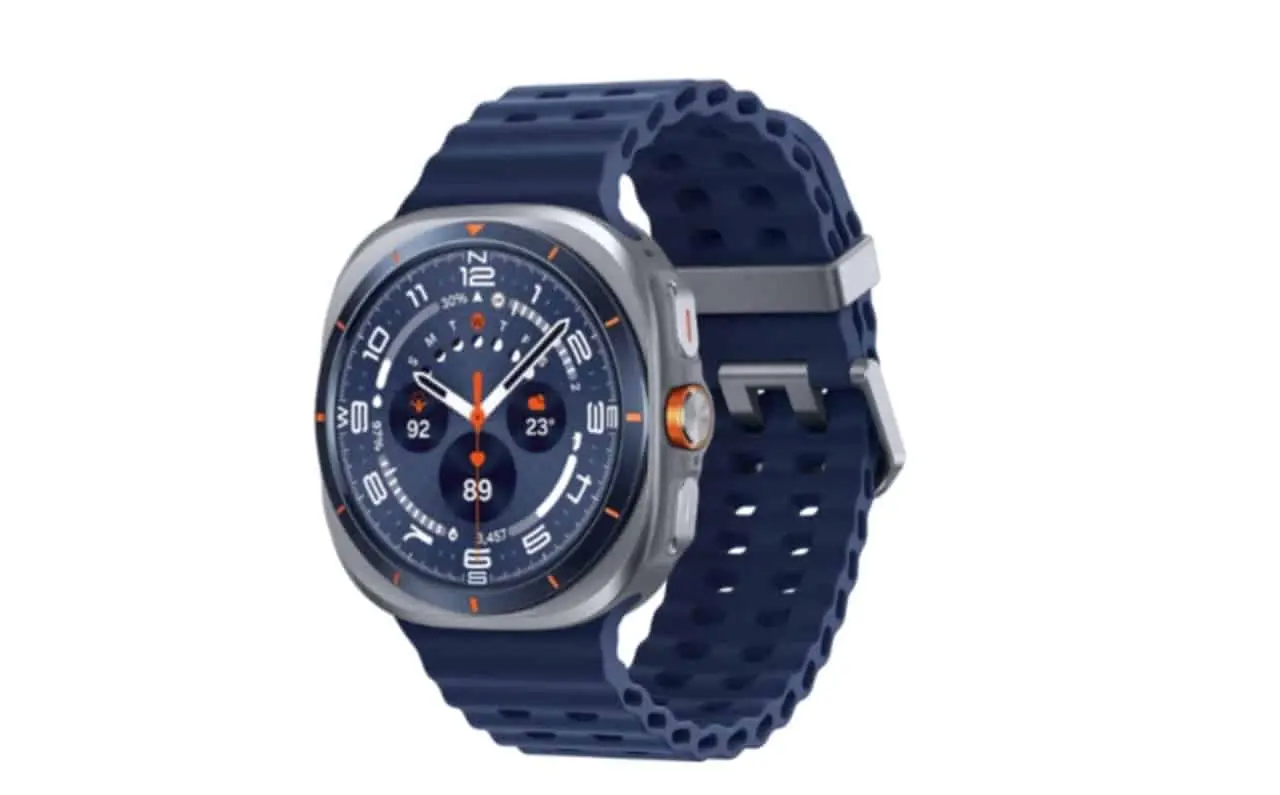
Samsung decided to shake up the luxury wearables market by applying a 40% reduction in the value of the LTE version of the Galaxy Watch Ultra. With the new price hovering around 370 euros abroad, the South Korean manufacturer aims its cannons directly at the Apple Watch Ultra user base. The commercial maneuver aims to attract consumers who are looking for high-end hardware, but who are now faced with a much more wallet-friendly option.
This incisive tactic from the Asian company not only democratizes access to one of the toughest smartwatches available on the shelves, it also adds fuel to the dispute between the leaders in the segment. Clients who previously considered only the competitor’s virtual environment to ensure maximum efficiency now have a strong financial excuse to switch sides. The abrupt decline in final cost breaks historical resistance, drawing the attention of individuals who would rarely abandon their usual operating system if the original values were maintained.
In the recent past, acquiring a pulse meter focused on extreme sports and with an autonomous network required exorbitant prices, often approaching 800 dollars in competition. To get an idea of the impact, the Galaxy Watch Ultra itself arrived on the market costing US$649 (around R$4,999 in Brazil), while the Apple rival starts at US$799, highlighting how the current price tag of 370 euros reconfigures access to the premium category. Consequently, equipment developed to withstand extreme conditions without relying on a cell phone is within the reach of a much larger portion of buyers.
Rugged design and high-brightness display for outdoor use
The engineering applied to the Galaxy Watch Ultra prioritized the gadget’s survival in highly physically demanding scenarios, delivering an incredibly solid chassis. The industrial design was molded to withstand common knocks during nature adventures or strength training, without giving up a sophisticated look for commitments in the city. This balance ensures that the device withstands scratches and accidental drops, considerably extending the life of the product on the user’s wrist.
More on this story: Samsung drops the price of the Galaxy Watch Ultra by 40% and transforms the global wearables market
The component that stands out the most is the 1.5-inch Super AMOLED display, capable of generating intense tones and a surprising peak of brightness. The technology built into the screen ensures that the data displayed remains fully legible, even in direct midday sunlight. For those who train outdoors or work on the streets, this light power eliminates the difficulty of checking statistics in fractions of a second.
Far from being a mere mirror of smartphone notifications, the watch works as a relentless monitor for long-distance races, weight lifting and monitoring the circadian cycle. The combination of a crystal clear display with a structure that does not require protective covers gives the owner enormous peace of mind. It is precisely this mix of visual excellence and physical resistance that consolidates the model as an extremely reliable technological companion.
State-of-the-art processing and independent cellular connectivity
Internally, the wearable houses the Exynos W1000 processor, built using the advanced 3 nanometer process, which guarantees a significant gain in operating speed. Moving through screens and loading native tools are actions that happen in the blink of an eye, leaving behind the crashes that haunted old models. This computational firepower allows the software to run several functions at the same time, keeping the touch response always immediate.
The adoption of such small transistors not only favors raw performance, but also positively impacts battery management and thermal control of the motherboard. Even when the user spends hours using satellite mapping or making long calls, the system dissipates heat masterfully. In practice, the watch remains cool, protecting the internal circuits against premature wear and ensuring comfort in contact with the arm.
A decisive differentiator for the device’s luxury status is its native support for mobile networks via eSIM technology. This feature eliminates the need to take your phone to a running session, making it possible to receive calls, exchange messages and play music directly from your wrist. The freedom to remain online and accessible, even leaving your smartphone at home, is among the greatest desires of those who invest in this category of electronics.
Long-lasting battery and exclusive tools for athletes
To keep all these gears working, the South Korean brand implemented a 590mAh battery, a capacity that easily exceeds the current market average. This generous tank ensures that the biometric sensors work without interruption for several days, eliminating the despair of searching for a charger every 24 hours. Energy efficiency is also the result of the intelligence of the main chip, which autonomously suspends idle applications to save load.
See Also

Electrical discharge knocks man off roof in Jaguaruana after contact with power lines

Global auction raises US$11.9 million and Brazil’s historic currency reaches record value

Former fighter Prichard Colón dies at age 33 after decade in a vegetative state
Learn more: Slow charging of Galaxy Watch 9 and Ultra 2 forces users to tricks like fan and ice
Living up to the Ultra seal, the edition was designed to meet the needs of elite competitors and explorers of wild environments. The operating system integrates a set of utilities that convert the watch into a virtual sports coach. Below, see the main attributes that reinforce this identity focused on high performance:
- Performance analysis: Computer systems measure the body’s effort instantly, delivering advanced statistics for athletes who want to overcome their own limits.
- Constant monitoring: Step count, energy expenditure and mileage are recorded at all times, creating a complete diary of daily movement.
- Precision location: The use of dual-band GPS combined with an electronic compass ensures correct positioning both on closed trails and in urban centers full of buildings.
- Extreme shielding: The application of titanium and reinforced crystals protects the machinery against violent shocks and intense climate variations.
Health monitoring goes beyond trivial measurements by providing accurate graphs on heart rate, oxygen saturation and the quality of sleep phases. Such data is organized in an intuitive application, helping the individual to calculate the ideal rest period after a strenuous workout. In addition, protection against liquids has been reinforced, allowing the accessory to be used in swimming pools and at sea without the risk of damaging the electronic components.
Impact of cost reduction on the smartwatch market
By setting the cost of the product close to 370 euros, the Asian manufacturer causes a real earthquake in the premium watch segment. The strategic price cut makes the device an irresistible alternative for those trying to escape Apple’s values. In the end, this commercial aggressiveness directly benefits the consumer, who is able to put cutting-edge technologies on their wrist without compromising their monthly budget.
The package consisting of a radiant display, independent 4G, fast chip and long-lasting battery already justified public attention. However, by dropping the original price almost in half, the company turns the equipment into one of the biggest bargains in the current technology sector. Buyers who were waiting for a drop in values to purchase a definitive smartwatch now find the ideal time to invest.
The high cost of acquisition has always acted as a wall to the mass adoption of high-end wearables. Knowing this, Samsung takes advantage of the promotion not only to boost retail, but to attract new customers to its health ecosystem and digital services in the long term. This is a calculated maneuver to gain market share, attracting users from competitors through an unbeatable cost-benefit ratio.
On the same topic: Launch of the Huawei Watch GT 7 line brings 21-day autonomy and extreme brightness
Looking ahead, this readjustment of values has the potential to rewrite the guidelines of the wearable industry. Competing brands will need to squeeze their profit margins and offer superior hardware at lower prices if they want to keep their customers loyal. The popularization of luxury smartwatches appears to be an irreversible trend, bringing advanced communication and preventive medicine features to the wrists of thousands of new people.