Lack of memory could delay deliveries of the iPhone 18 Pro and foldable model
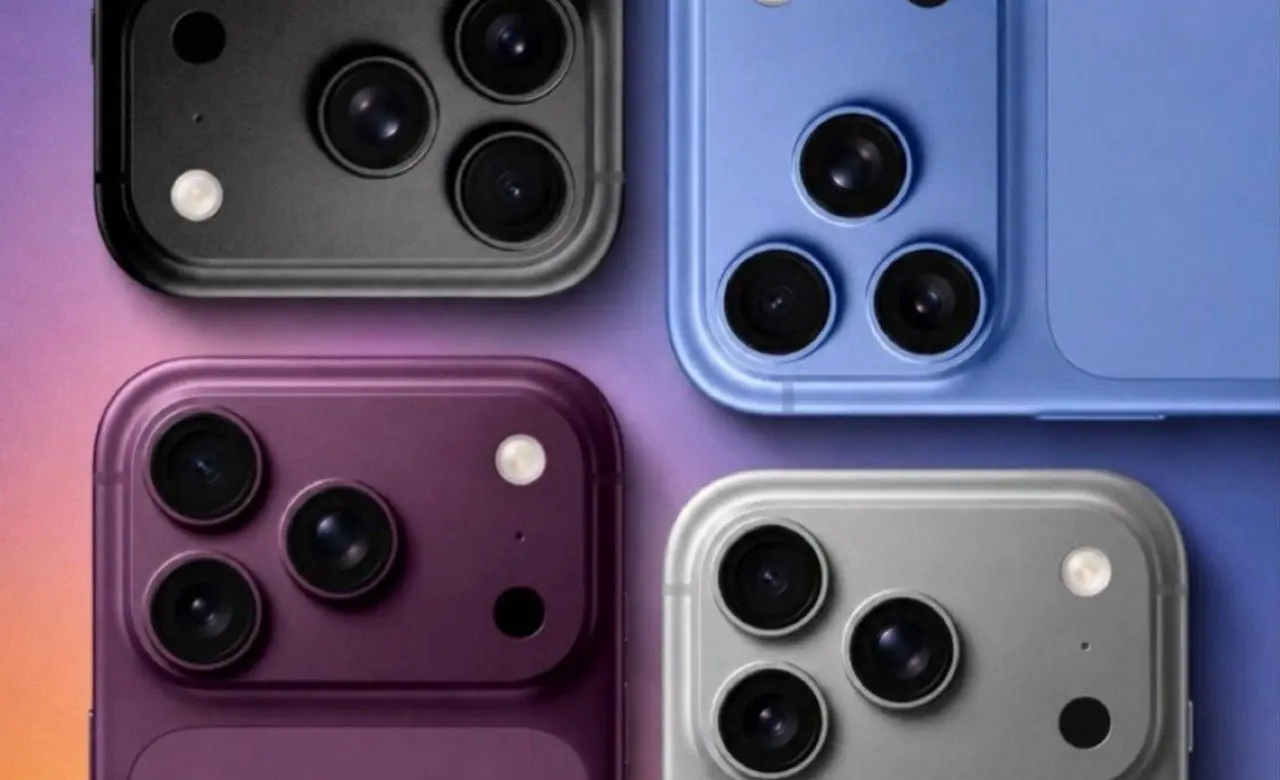
The global semiconductor industry faces a new obstacle that promises to directly impact the timeline of the world’s largest technology company. Recent information indicates that a severe restriction in the supply of DRAM-type memories has the potential to drastically limit the initial availability of the most advanced versions of the brand’s next generation of cell phones. This scenario corroborates previous rumors that already indicated strong logistical pressure on the Asian assembly lines responsible for future premium devices.
The bottleneck in manufacturing two-nanometer processors
The cutting-edge devices, including the high-performance variants and the long-awaited device with a flexible screen, will feature the A20 Pro processor. This component represents a significant technological leap, as it uses N2 lithography, equivalent to two nanometers, developed by the Taiwanese giant TSMC. It is an architecture that promises unprecedented energy efficiency, essential for running advanced artificial intelligence resources directly on the equipment’s hardware.
The chip manufacturing process itself is progressing within the schedule expected by Asian partners, showing good performance rates. The central problem, however, lies in the final stage of encapsulating the silicon wafers, which is currently paralyzed. Factories await the delivery of the volatile memory modules needed to complete the assembly of the electronic brain of smartphones, generating a domino effect throughout the production line.
More on this story: Apple accelerates plans for five iPhones and foldables by 2027, seeking chips from Chinese suppliers
To overcome this manufacturing interruption, executives are seeking to close emergency agreements with giants in the data storage sector. The objective is to ensure that the volume of parts meets the projected demand for the last quarter of the year, preventing shelves from being empty in the first weeks of global sales.
Companies competing to supply essential components
The race to make up for the lack of parts generates billions of dollars in the Asian and American market. The North American manufacturer needs to diversify its partner base so as not to depend on a single source, mitigating future logistical risks and ensuring the continuous flow of materials.
Learn more: IPhone 18 Pro price increase seems inevitable after setback in Apple’s strategy with new suppliers
- Micron: The American company is emerging as one of the main alternatives for delivering fast, high-performance batches.
- SK Hynix: The South Korean company maintains a solid history of partnerships and has idle capacity that can be redirected for emergency contracts.
- Samsung: Traditional rival in the cell phone market, the company also acts as one of the largest semiconductor suppliers on the planet and has infrastructure for large volumes.
- CMXT: The inclusion of the Chinese manufacturer in the negotiations surprises analysts, marking a possible change in the technology giant’s geopolitical purchasing strategy.
The eventual hiring of the China-based brand demonstrates the urgency of the current situation. Historically, strict quality control requirements limited the entry of new players into this closed ecosystem, but the need for immediate volume appears to have relaxed these commercial barriers to ensure deadlines are met.
Radical change in ad strategy for the month of September
The factor that most aggravates concerns about stocks is a profound change in the company’s traditional launch calendar. Sources linked to the industry say that the annual presentation event will focus exclusively on high-cost equipment. The expectation revolves around the revelation of only the most expensive editions and the unprecedented folding version, leaving out the entry option that usually balances sales volume.
See Also

Electrical discharge knocks man off roof in Jaguaruana after contact with power lines

Global auction raises US$11.9 million and Brazil’s historic currency reaches record value

Former fighter Prichard Colón dies at age 33 after decade in a vegetative state
The conventional model of the new family of phones should have its debut postponed until the first months of 2027. This tactic of segregating arrival dates in stores creates a dangerous funnel, as it directs all the attention and purchasing desire of global consumers to devices that precisely suffer from a shortage of internal parts.
On the same topic: Apple plans to launch five new iPhone models by 2027 with a focus on foldable screens
Similar movements have already occurred in the past, such as when the tenth generation of the device was launched, which hit shelves months after the basic versions. However, reversing this logic and holding onto the cheapest device represents a risky bet that tests public loyalty and the resilience of the international distribution chain.
Direct impacts on delivery times for end consumers
Internally, there is cautious optimism that the volume manufactured up to the day of the announcement will be sufficient to cover physical sales in official stores during the first weekend. The real headache, however, focuses on e-commerce and partner operators around the world, which tend to account for the largest share of initial orders.
The current projection indicates that the estimated dates for those purchasing online could slip quickly, pushing deliveries to the end of the year. A delay of this magnitude frustrates buyers who want to upgrade their equipment immediately and leaves room for direct competitors to gain ground during the important shopping season.
Full coverage: Latest News (EN)
The mismatch between the high demand for innovations, such as folding screens, and the reality of Asian factories highlights the complexity of the current globalized production model. The restricted supply dynamics transforms the pre-sale phase into a critical moment, where stock availability will define the pace of adoption of new technologies embedded in premium devices.