

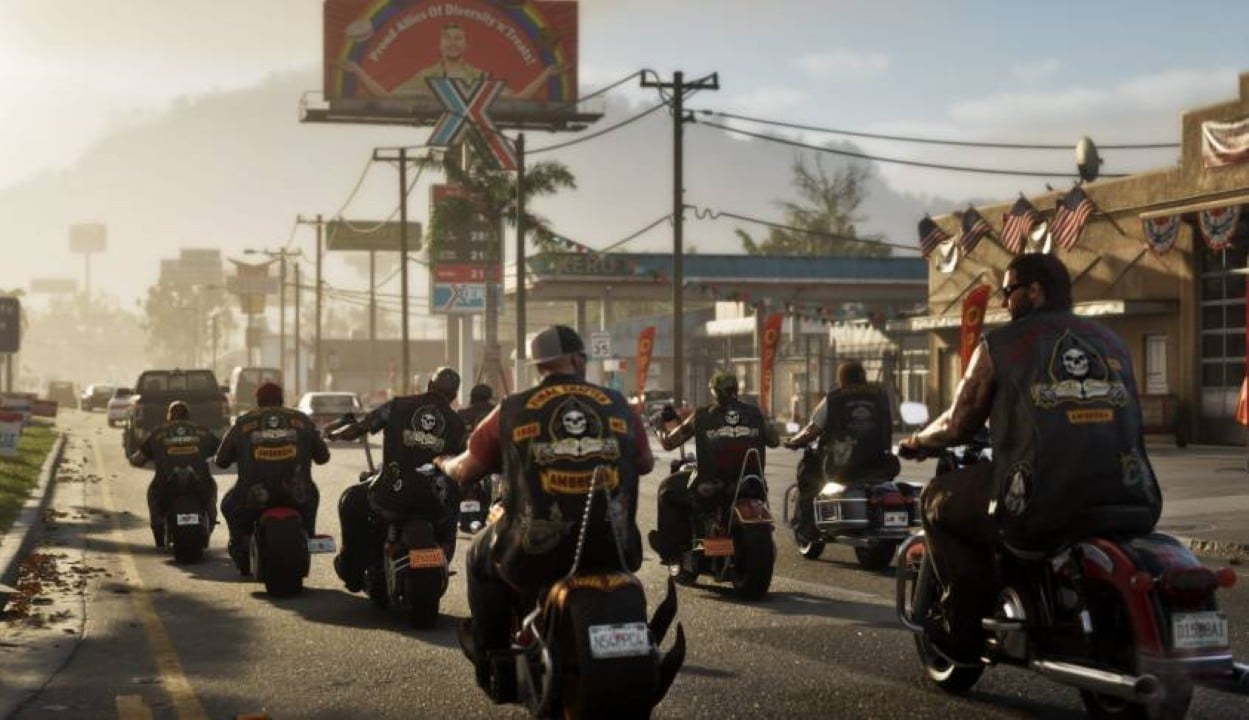
The commander of Take-Two Interactive, the company that controls Rockstar Games, authorized an unprecedented financial contribution for the creation of Grand Theft Auto VI. Strauss Zelnick allocated an impressive US$1.5 billion to the project, a curious move coming from an executive who has already openly declared that he does not have the habit of consuming electronic games. The financial decision reinforces the company’s absolute confidence in what promises to become the main digital entertainment product in the coming years.
The impact of the record budget on Rockstar Games production
The billion-dollar amount allocated to the new chapter of the franchise easily exceeds the costs of the biggest super-productions in world cinema. This astronomical amount not only finances the title’s programming and design, but also encompasses a global-scale advertising campaign and the assembly of robust servers for the online mode. Such a volume of capital highlights the board’s certainty that the financial return will easily cover initial expenses.
With this injection of resources, the development team gains freedom to create an open world with visual fidelity and interaction mechanics unprecedented in the industry. To put the value in perspective, while Hollywood blockbusters usually have a spending ceiling of around US$300 million, Take-Two’s new project will cost five times as much. The numerical contrast proves how the interactive entertainment market has assumed economic leadership in the contemporary cultural scene.
More on this story: Take-Two CEO approves US$1.5 billion for GTA 6 even without playing video games
Strauss Zelnick’s pragmatic vision at the helm of the company
Although he spends time away from consoles in his free time, the executive director makes up for this absence with a keen reading of consumer behavior. Its management prioritizes hiring the best creative talent and meticulously observing the sector’s financial movements. In practice, he acts as an administrator focused on making programmers’ ideas viable, understanding public demand without needing to hold control.
This distance from the final product ensures that corporate decisions are made based on concrete data, far from personal passions that often affect media fans. The executive leaves the artistic side entirely in the hands of subordinate studios, dedicating his routine to maximizing profits and expanding the brand. For the billionaire, interactive software works as the main engine of the new digital economy.
The weight of the launch for the economy of the technology sector
The arrival of the next urban criminal adventure mobilizes not only enthusiasts, but also Wall Street investors. Historically, each new launch of the brand shatters revenue records in the first twenty-four hours, and the edition set in the fictional state of Leonida promises to raise this bar even further. On internet forums, the community dissects every little leak of information, creating organic engagement that no marketing campaign could buy.
Financial experts estimate that the software’s arrival in stores will have a ripple effect across the entire technology industry. The title is expected to force a wave of hardware upgrades, boosting the sale of modern televisions and next-generation consoles on a global scale. The project works as a testing laboratory for new technologies, establishing new standards for the market, including:
Learn more: $1.5 billion bet on GTA VI is led by executive who doesn’t play video games
- Artificial intelligence systems applied to non-playable characters.
- Particle physics and real-time fluid simulation.
- Complex open world design without loading screens.
The profitability history that justifies the colossal budget
Since transitioning to a three-dimensional environment in the early 2000s, Rockstar’s intellectual property has dictated the pace of pop culture. The mix of social satire with absolute freedom of exploration turned the series into a mass phenomenon. Its direct predecessor, Grand Theft Auto V, exemplifies this power: originally launched in 2013, the title has already surpassed the mark of 195 million copies sold, generating more than US$8 billion in revenue over a decade.
This ability to keep servers full and sales high for so many years explains shareholders’ peace of mind in writing such a large check. The billion-dollar amount reflects the certainty that the brand has enough strength to monopolize public attention over the next decade. With this, the company consolidates its position as owner of the most profitable franchise in the history of modern entertainment.
The consequences of overproductions for the interactive market
The approval of a budget that exceeds a billion dollars raises a warning for competing studios in the high-end segment. The movement ushers in a phase where the scope of virtual worlds will require teams made up of thousands of employees working for years on end. Consequently, the financial risk of producing a cutting-edge game becomes prohibitive for most companies, concentrating power in the hands of a few conglomerates.
Despite the financial barriers, the quality standard imposed by Take-Two will force technology giants to open their coffers so as not to be left behind in the fight for users’ attention. The level of technical demands will rise drastically, transforming software development into an all-or-nothing gamble. However, the continued profit potential demonstrated by the current business model ensures that the sector will continue to attract the largest volumes of capital on the planet.