New Samsung Galaxy Z Fold 8 Ultra redefines foldables with high price and improved design
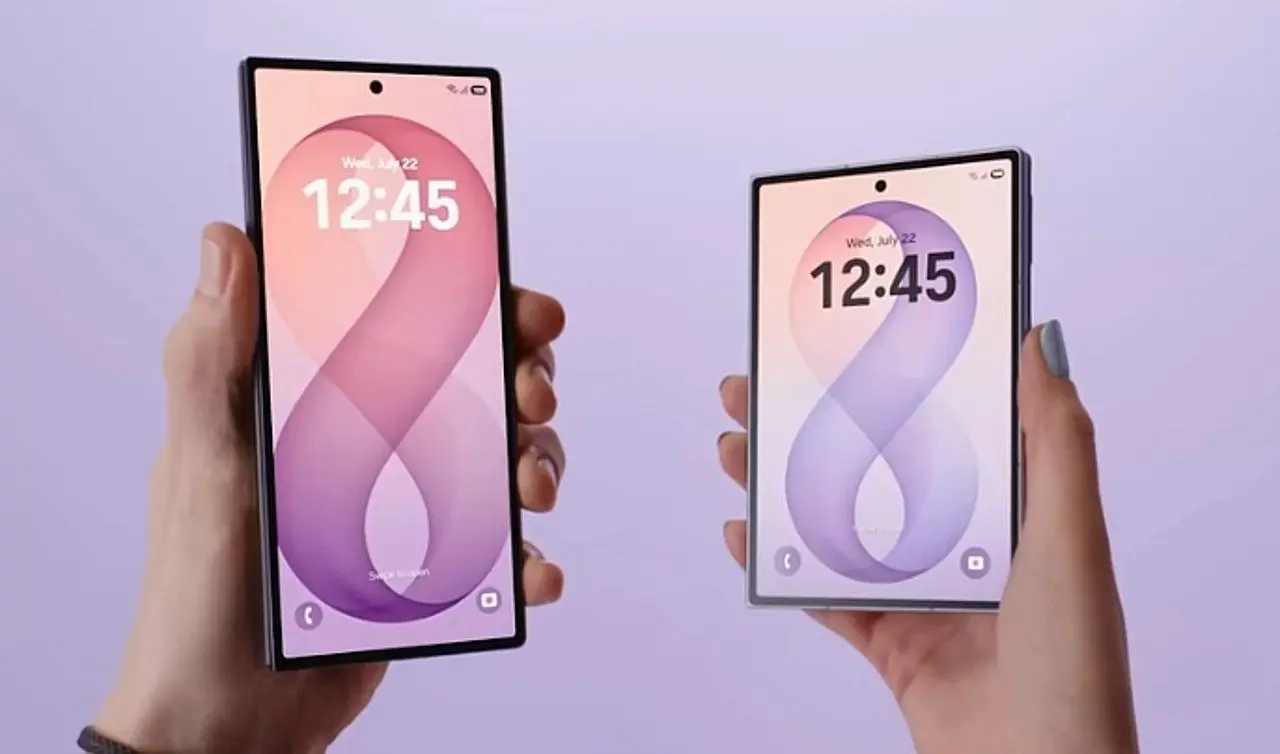
Samsung, a leader in the foldable smartphone category, introduced the Galaxy Z Fold 8 Ultra, a device that consolidates years of iterative improvements. Launched on August 14, 2026, the device seeks to keep the brand at the forefront of the competitive market, which already has other big names such as Google, Motorola and several Chinese manufacturers. The new model does not represent a revolutionary leap, but rather a refined evolution, all but eliminating the compromises previously associated with foldable phones, save for their premium price.
Over the years, Samsung has worked to reduce the thickness of its foldables, which were previously notorious for being bulky. The Z Fold 8 Ultra is even thinner than its predecessor, the Z Fold 7, although the difference is subtle in everyday use. The device maintains the traditional positioning of the buttons, including a fingerprint sensor integrated into the power button.
More on this story: Practical test reveals who wins the duel between Galaxy Z Flip 8 and Razr Ultra 2026
The Z Fold 8 Ultra’s structure allows the two halves to come together without leaving gaps, and its hinge offers a smooth, responsive feel. The phone opens almost “jumping” into the unfolded configuration, achieving a flatter alignment than the Galaxy Z Fold 7, which did not reach 180 degrees. Even though it’s just 4.1mm thick when opened, the device is solidly built. When folded, it resembles a small tablet, but is able to fit into a pocket like a regular smartphone, demonstrating the sophisticated engineering.
Main configurations and technical details of the Galaxy Z Fold 8 Ultra
The Galaxy Z Fold 8 Ultra is equipped with cutting-edge hardware designed to deliver maximum performance and a fluid user experience. Below, the detailed technical specifications of Samsung’s new foldable smartphone:
See Also

Video of Bruno Guimarães goes viral when he looks for captain’s banner on his Arsenal debut

First generation PS5 may fail due to liquid metal oxidation

BYD leads talks to take over naming rights for Morumbi in new São Paulo contract
- Processor (SoC):Snapdragon 8 Elite Gen 5 for Galaxy
- RAM memory:12GB or 16GB options
- Storage:256GB, 512GB or 1TB
- Main screen:8.0″ QXGA+ Dynamic AMOLED 2X (2504 x 2256), 422ppi, 120Hz
- External screen:6.5″ FHD+ Dynamic AMOLED 2X (1080 x 2520), 422ppi, 120Hz
- Rear cameras:200MP Wide (F1.7, OIS), 50MP Ultra Wide (F1.9), 10MP Tele (3x Optical, F2.4, OIS)
- Front cameras (main/external):10MP (F2.2)
- Operating system:Android 17/One UI 9
- Battery:5,000 mAh, up to 63% charge in approximately 30 minutes with 45W adapter, and 20W wireless charging
- Connectivity:5G, LTE, Wi-Fi 7, Bluetooth v6.0, SIM+eSIM
- Dimensions (unfolded):158.4×143.2×4.1mm
- Dimensions (folded):158.4×72.8×8.9mm, weight 215g
- Available colors:Violet Shadow, Graphite, Cream, Green Shadow (online)
The cost of a premium experience: price and what it means for the consumer
Priced at $2,100, the Galaxy Z Fold 8 Ultra positions itself firmly in the luxury segment of the smartphone market. This high value reflects Samsung’s continued investment in research and development to refine foldable technology, overcoming the initial limitations of these devices. The company has managed, with this model, to almost eliminate the drawbacks of a foldable phone compared to a traditional flat device, such as thickness and the presence of gaps in the hinge.
For the consumer, the price of the Z Fold 8 Ultra indicates that Samsung is targeting a niche market that seeks the most advanced technology and design, and is willing to pay for it. While the advancements are notable, the high cost still keeps it unaffordable for most, establishing it as a symbol of innovation and status in the world of electronics. The main barrier to the mass adoption of foldables still lies in the cost of entry.
Continuing innovation and future challenges for Samsung
Samsung’s strategy with the Z Fold 8 Ultra demonstrates a focus on gradual improvements rather than major disruptions. The company is betting on the perfection of what already works well, showing that, at this point, there are few major areas of improvement to be explored in the foldable phone concept. This approach, although solid, presents Samsung with the challenge of maintaining consumer excitement in a market increasingly contested by new competitors.
The ability to innovate in details, such as millimeter reduction in thickness and improvement of the hinge, is crucial for Samsung to solidify its leadership. However, the real test will be how the company will deal with the pressure of offering innovations that justify the “ultra” price and the continued attention of technology enthusiasts in a scenario where competition becomes stronger and more diverse every year.