Glória Menezes, icon of Brazilian television drama, dies at age 91 on August 18 By Carolina Costa
6 min read
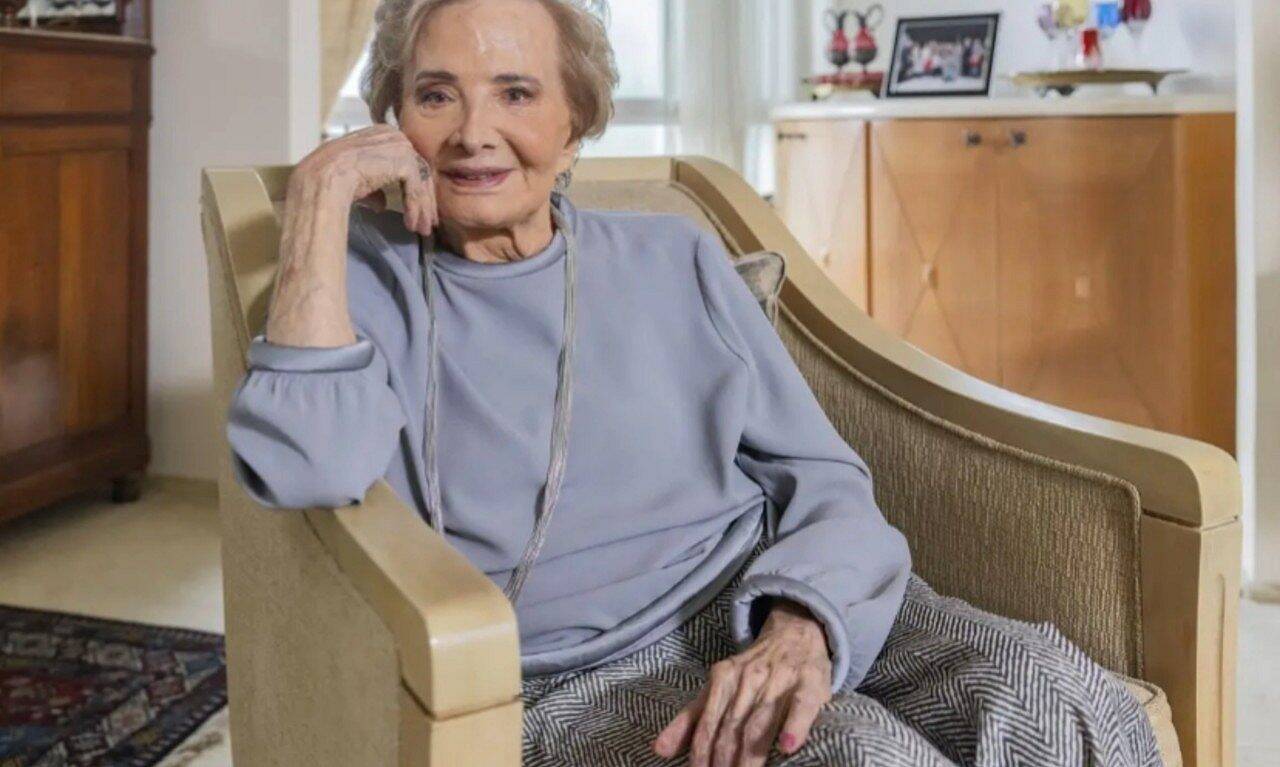 |
The renowned actress Glória Menezes, one of the most emblematic figures in Brazilian television drama, passed away on August 18, 2026, at the age of 91. His vast career, marked by unforgettable characters and profoundly intense performances, left an invaluable legacy for national culture. Born in Pelotas, Rio Grande do Sul, on October 19, 1934, the artist was baptized as Nilcedes Soares de Magalhães. Pragmatically, she considered her given name “one thing”, deciding to adopt the more sonorous and universal Glória, a nickname that would become synonymous with talent and artistic longevity.
The origin and first steps of Glória Menezes in theater and TV
Glória Menezes’ childhood was marked by a significant change at the age of six, when her family settled in São Paulo. It was in the metropolis that the passion for the performing arts flourished. At the age of 17, she married her cousin Arnaldo Britto, and from this union her first two children were born, Maria Amélia and João Paulo. With the support of her then husband, Glória entered the prestigious School of Dramatic Arts at the University of São Paulo, a crucial period where she not only honed her skills, but also founded the artistic group Jovens Independentes. The dedication and talent demonstrated on stage led her to abandon her university course, as her vibrant performance was already attracting the attention of important film and television producers.
In 1959, Glória made her television debut with the soap opera “Um Lugar ao Sol”, shown on TV Tupi, marking the prelude to a career that would dominate the Brazilian screen for decades. His foray into cinema was equally notable; In 1960, she participated in the acclaimed film “O Pagador de Promessas”, directed by Anselmo Duarte. Released in 1962, the work made history by winning the Palme d’Or at the Cannes Film Festival, becoming the first — and so far only — South American feature film to receive such an honor. This international triumph solidified her name not only as a television actress but also as a national film star.
The unforgettable artistic and personal union with Tarcísio Meira
It was backstage at the theater, during a period of intense professional advancement, that Glória Menezes met Tarcísio Meira, the great love of her life and stage partner in countless projects. The couple’s harmony, both in their personal and artistic lives, was undeniable and inspiring. Glória and Tarcísio’s first television collaboration took place on TV Tupi, in the teletheater “Uma Pires Camargo”. In 1963, they made history by starring in “25499 Ocupado”, the first daily soap opera in Brazil, broadcast live on TV Excelsior, a pioneering feat that required great agility and talent. The union was further consolidated with the birth of Tarcísio Filho in 1964, completing the family that would become a public icon.
The line between real life and art was often blurred in the trajectory of Glória and Tarcísio, such was the strength of their partnership. On TV Excelsior, they continued to shine in serials such as “A Deusa Vancida” (1965) and “Almas de Pedra” (1966), consolidating themselves as one of the public’s most beloved couples. In cinema, the duo expanded their collaboration in productions such as “Máscara da Traição” (1969), the historical “Independência ou Morte” (1972) and “O Caçador de Esmeraldas” (1979), demonstrating remarkable versatility in different genres. In 1967, the couple took a decisive step in their careers by moving to TV Globo, where they headed the cast of “Sangue e Areia”, a work by Janete Clair that marked the beginning of one of the most fruitful and legendary collaborations on Brazilian television. The presence of Glória and Tarcísio on the screen was a phenomenon, guaranteeing an audience and the expectation of great productions.
Striking collaborations in classic novels by Janete Clair
Glória Menezes’ career reached a level of excellence and recognition through the iconic triad she formed with Tarcísio Meira and the acclaimed author Janete Clair. Together, they conceived and brought to life classics that not only defined, but also revolutionized Brazilian television drama. Among the most important works in which Glória participated, the following stand out:
- “Rebel Rose” (1969)
- “Brothers Courage” (1970)
- “The Man Who Must Die” (1971)
- “The Demigod” (1974)
In “Irmãos Coragem”, Glória delivered one of the most complex and praised performances of her career. She had the challenge of playing three distinct female personalities — the sweet Lara, the passionate Diana and the seductive Márcia — a feat that demonstrated her impressive capacity for transformation and diving into different archetypes. Years later, in 1979, the actress met Janete Clair again for another resounding success, the soap opera “Pai Herói”. In this serial, Glória brought to life the bold and charismatic Ana Preta, owner of a samba house. The character defied social conventions of the time and became an icon of female empowerment and freedom, reinforcing the actress’s talent in strong and memorable roles.
From audacious villain to sorceress: the multiple characters on the small screen
In addition to the unforgettable partnership with Janete Clair, Glória Menezes also built a solid and prolific professional relationship with the renowned playwright Silvio de Abreu, starring in several soap operas of enormous success and impact. Her remarkable versatility allowed her to move between genres and profiles, playing complex and unforgettable characters in plots such as:
- “Game of Life” (1981)
- “War of the Sexes” (1983)
- “Queen of Junk” (1990)
- “God Help Us” (1992)
- “The Next Victim” (1995)
In “Queen of Scrap”, Glória starred in one of the most memorable performances of her career, playing the villain and bankrupt socialite Laurinha Figueroa. This character not only stood out for her audacity, but also entered the history of Brazilian television drama for an unprecedented event: Laurinha was the first character to commit suicide in a soap opera in the country, an event that generated great commotion and national repercussion. “It was on the front page of the newspaper O Globo the next day”, recalled the actress, highlighting the social impact of her performance.
Still alongside Tarcísio, she was in “Torre de Babel” (1998), again written by Silvio de Abreu, showing the strength of her talent in contemporary plots. Glória Menezes’ ability to reinvent herself and embody such a diverse gallery of archetypes has been remarkable over more than five decades.
Latest performances and the perennial legacy in television drama
Even in the 2000s, Glória Menezes continued to present the public with rich and memorable roles. In “Kiss of the Vampire” (2002), she shone as the mysterious sorceress Zoroastra. Two years later, in “Senhora do Destino” (2004), she played Baroness de Bonsucesso, a character who faced the delicate Alzheimer’s disease, bringing up important and sensitive discussions. She had a special and emotional participation alongside Tarcísio Meira in “Páginas da Vida” (2006) and stood out as Irene in “A Favorita” (2008), a character who dealt with the tragic loss of her son and husband, requiring a performance of great dramatic depth.
Her last role in soap operas was as the elegant and fun Stelinha in “Totalmente Demais” (2015), ending a career spanning more than five decades dedicated entirely to the art of acting. The death of Glória Menezes not only closes a chapter in the rich history of Brazilian television, but also reinforces the immense legacy of an actress who knew how to move between humor, drama and villainy with unparalleled mastery. Her remarkable versatility, charisma and professionalism made her a true institution of national dramaturgy. His influence and the brilliance of his talent will continue to inspire generations of artists and move audiences for many years to come, keeping the memory of one of Brazil’s biggest stars alive.