
Filmmaker Kuku Kohli dies after heart attack; shelf does not reverse serious damage
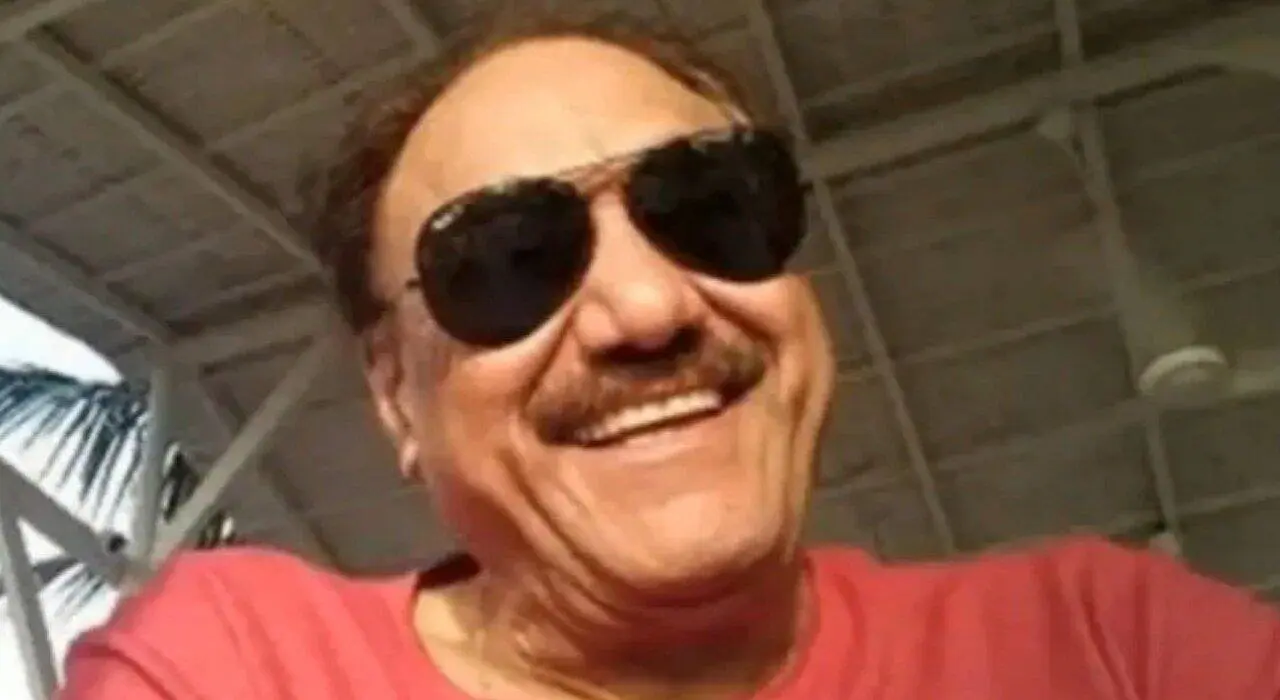
Filmmaker Kuku Kohli, a well-known Bollywood figure, passed away on August 25 at Kokilaben Dhirubhai Ambani Hospital in Mumbai. He had been hospitalized two days earlier after suffering a heart attack. Although doctors implanted a coronary stent as part of the treatment, his health worsened, and he died at around 5 pm, at the age of 77. Kohli is survived by his wife, actress Aruna Irani, and children Pooja and Karishma, from his first marriage to Rita Kohli. The death raises a crucial question about how a patient can die after a heart attack, even with a stent placed. Dr Sameer Bhate, head of Cardiovascular and Thoracic Surgery at Amrita Hospital, Faridabad, explains that while the stent restores blood flow, it cannot reverse pre-existing damage to the heart muscle.
The role of the stent in recovery does not negate already established cardiac damage
“A stent can unblock a blocked coronary artery, but it cannot undo the effects of a heart attack that has already caused damage to the myocardium,” explained Dr. Bhate. This distinction helps to understand why a patient may experience a worsening even after a successful angioplasty. When a coronary artery becomes completely blocked, the area of the heart muscle that depends on it for oxygen is compromised. The longer the block lasts, the greater the chance of permanent damage. Angioplasty with a stent can reopen the artery and reduce new lesions, but it is not capable of restoring the heart muscle that has already died. “The exact cause of death cannot be determined without clinical records. But, from a medical point of view, several causes may be involved”, added the doctor.
On the same topic: Ozempic and Wegovy: new advantages for women’s health outweigh weight loss and diabetes
Understand how extensive damage to the heart muscle can be fatal
After a major heart attack, the extent of damage to the heart muscle is one of the biggest concerns. If a main coronary artery remains blocked for a long time, a significant portion of the heart may be damaged before blood flow is restored. Even after a successful angioplasty, the damaged heart may no longer have the ability to pump blood efficiently. This can result in serious complications such as heart failure, cardiogenic shock, or dangerous changes in the heart’s electrical rhythm. Cardiogenic shock, which happens when the heart becomes too weak to deliver enough blood to vital organs, is one of the most severe complications of a serious heart attack and presents a high risk of death, even with advanced treatments.
Dr. Ashish Jai Kishan, Senior Consultant Cardiology, Fortis Escort Heart Institute, emphasizes the relevance of the period after a heart attack and angioplasty. “The heart muscle may have already suffered damage, and patients may develop abnormal heart rhythms, reduced pumping function, blockage recurrence or other complications,” he said. Therefore, intensive monitoring in the first moments after the procedure is essential. He also points out that angioplasty and stents represent just one step in the treatment of coronary artery disease. “Risk factors such as hypertension, diabetes, high cholesterol, smoking, obesity, a sedentary lifestyle and an unbalanced diet can continue to harm the arteries, even after a successful angioplasty”, added the specialist.
More on this story: Sleeping an hour less per night is associated with weight gain and increases heart and diabetes risks
 First tests of Apple’s foldable cell phone reveal robust hinge The global technology market awaits with great anticipation the Cupertino giant's next major autumn event, which promises to redefine the brand's portfolio. With just a few weeks to… In Latest News (EN) · 26/08/2026 |
 Magnitude 5.1 earthquake shakes Colombia and prompts evacuations in Bogotá An earthquake of magnitude 5.1 was recorded in Colombia on August 26, with its epicenter located in Los Santos, in the Santander region. The tremor was noticed in… In Latest News (EN) · 26/08/2026 |
 Tim Curry, iconic ‘Rocky Horror Picture Show’ and Pennywise actor, dies at 80 Tim Curry, the acclaimed British actor known for portraying Dr. Frank-N-Furter in the cult classic “The Rocky Horror Picture Show,” has passed away at his home in Los… In Latest News (EN) · 26/08/2026 |
Irregular and dangerous heart rhythms can occur after a heart attack
Another possible complication is ventricular fibrillation, a life-threatening abnormal heart rhythm in which the lower chambers of the heart shake instead of pumping blood effectively. Dr. Bhate notes that these rhythm changes are especially dangerous in the early period after an acute myocardial infarction. Therefore, a patient can suffer sudden cardiac arrest even if the artery treated with the stent remains open.
Is it possible for a stent to develop a new obstruction?
In rare situations, a clot may form within a coronary stent, a condition known as stent thrombosis. Although modern drug-releasing stents have made this complication less common, when it occurs it can abruptly block blood flow through the treated artery and trigger a new heart attack. An important preventable risk is early discontinuation of prescribed antiplatelet medications. “Never stop taking antiplatelet medication without first consulting your doctor,” Dr. Bhate warned. These medications, often prescribed in combination after the stent is placed, help prevent clots from forming inside the stent.
The stent treats the blockage but does not cure complete arterial disease
It is critical to understand that coronary artery disease is generally not restricted to a single isolated area. A stent treats the specific constriction that caused the immediate problem, but does not eliminate the underlying atherosclerosis process. Other plaques can persist in other coronary arteries and potentially become unstable, rupture, and cause another blockage. For this reason, patients with coronary artery disease may require continued treatment, even after successful angioplasty.
Essential care for recovery after a heart attack
Recovery after a heart attack goes far beyond just unblocking the artery. Before defining subsequent treatment, doctors assess the extent of damage to the heart muscle, its pumping capacity, the heart’s rhythm, the existence of other blockages and various risk factors. Long-term prevention may involve:
- Continued use of antiplatelet medications and other prescribed heart medications
- Strict cholesterol control
- Effective management of blood pressure and diabetes
- Smoking cessation
- Adopting a heart-healthy diet
- Gradual return to physical activity, always with medical guidance
- Participation in cardiac rehabilitation programs, when indicated
Such measures aim to reduce the risk of a new heart attack and safeguard the remaining heart muscle. Although a coronary stent can save lives by restoring blood flow in a blocked artery, it is not a cure for coronary artery disease and cannot reverse heart muscle that has already suffered permanent damage. As Dr. Bhate states, “An open artery after a heart attack is a big victory, but not a guarantee of safety.” The post-infarction outcome is linked to several factors, including the speed of restoration of blood flow, the extent of damage to the heart muscle, the pumping function of the heart, the stability of its rhythm, and the persistence of significant arterial disease in other coronary areas.

A large avalanche on the border between Nepal and Tibet on August 26, 2026 resulted in the death of 95 individuals and left hundreds of people missing, devastating…
In Latest News (EN) · 26/08/2026
Images released recorded the devastating fire that hit the maternity ward of one of Pakistan's largest medical centers, resulting in the loss of 14 newborns on August 26,…
In Latest News (EN) · 26/08/2026
On Wednesday, August 26, 2026, a violent flood swept through the border region that divides Nepalese territory and the Tibet Autonomous Region, under Chinese administration, resulting in a…
In Latest News (EN) · 26/08/2026A sudden flood with great destructive power left a trail of deaths and missing people on the border between Nepal and Tibet, in China, on August 26, 2026.…
In Latest News (EN) · 26/08/2026
After days of speculation and a wave of leaked videos, Rockstar Games has finally spoken out publicly about the incident involving gameplay footage from Grand Theft Auto VI.…
In Latest News (EN) · 26/08/2026
A powerful flash flood hit villages on the Nepal-China border on August 26, 2026, causing widespread devastation. Nepalese authorities confirmed the deaths of at least 17 people and…
In Latest News (EN) · 26/08/2026