
Tragedy in the Himalayas: avalanche causes 1,318 deaths and more than 5,600 missing
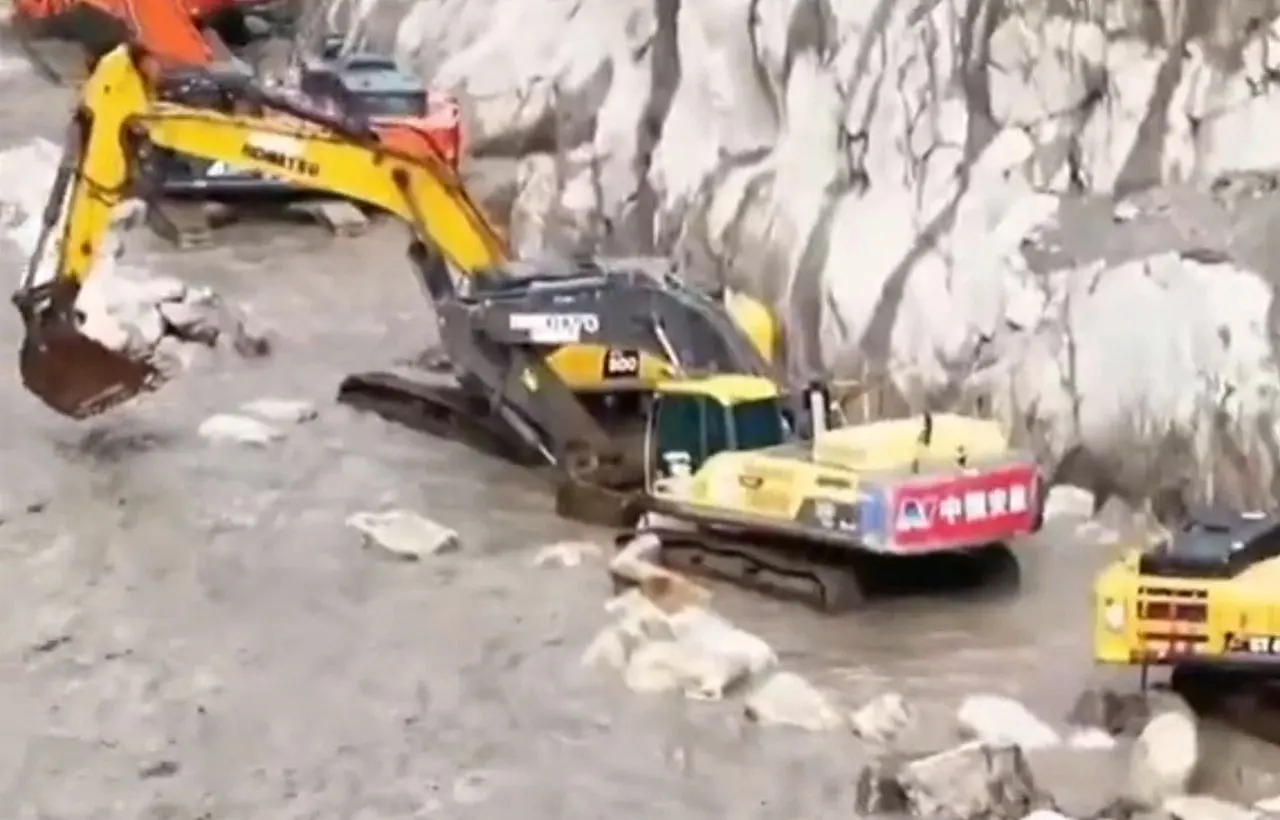
The death toll from the avalanche that hit the border between China and Nepal last week rose to 1,318 dead and 5,624 missing. The data was released on September 4, 2026 by disaster management authorities in both countries, revealing the scale of the catastrophe caused by the collapse of a glacier.
Devastating impact and casualty count in affected regions
The tragedy distributed its losses significantly between the two nations. The most recent information shows an alarming situation:
Read also: Video of family stranded by avalanche in Nepal highlights rescue challenges and death toll
- In Tibet (China): 31 people lost their lives and 531 are missing.
- In Nepal: the record is 1,287 fatalities and 5,083 people still without known whereabouts.
The combined numbers highlight a catastrophe of major proportions, with rescue teams facing extreme conditions in the mountains to try to locate the thousands of missing people and provide assistance to communities affected by the widespread destruction.
Miraculous rescue of workers trapped in power plant tunnel
In a rare moment of relief, rescuers in Nepal managed to find two workers alive who were trapped in a tunnel at a hydroelectric plant. The rescue took place nine days after the avalanche that devastated the region, bringing a ray of hope to the search operations for other possible survivors.
The first survivor was pulled out of the Trishul 3A power plant tunnel during an operation conducted by the Nepalese Army. Shortly afterwards, a local parliamentarian confirmed the rescue of a second person. Images released by the Army showed one of the workers covered in mud, being carried by a rescuer. Both received treatment at the scene and were taken to a hospital in Kathmandu.
“I can’t explain what we are feeling right now. We are just grateful to God,” said Amir Maharjan, brother of one of the rescued workers, expressing the family’s relief. Officials, including Nepal’s Energy Minister Biraj Bhakta Shrestha, said they hoped more people could be rescued there.
Understand the case: Unpublished data reveals trail of avalanche destruction between Nepal and Tibet
Understand glacier collapse and mud wave formation
The catastrophe began on August 26, 2026, when part of a glacier near the Langtang Lirung peak, in Nepal, collapsed. The landslide dragged vast quantities of ice and rocks, causing an avalanche that directly hit the Lhende Khola River. This event blocked the natural flow of the river, resulting in the formation of a giant wave of mud, rocks, ice and water.
The flood advanced more than 20 kilometers, devastating villages, roads, bridges and energy facilities in both Nepal and Tibet. The strength of the current was such that it changed landscapes and left a trail of destruction across a vast mountainous area.
Destruction at the Gyirong border post and its commercial value
One of the most severely impacted points was the Gyirong border post, located in Tibet. Security images recorded the fury of the flood, which swept away buildings and people off guard. This post represents a vital commercial connection between China and Nepal, being an essential corridor for the flow of goods and people between the two countries.
More on this story: Tragedy in the Himalayas buries 933 workers and mobilizes urgent international rescue
The destruction of this crucial infrastructure represents a blow to commercial exchange between the two nations, requiring a long process of reconstruction and economic recovery. The interruption of activities at this strategic point directly affects communities that depend on cross-border trade for their subsistence and development.
More news in Latest News (EN)
See more → German racer Michael Schumacher remains secluded 12 years laterMenendez brothers granted earlier 2027 parole hearing, reigniting debate over high-profile caseAlaskan cruise dreams shattered as technical woes force abrupt cancellation for hundreds of passengersIndiana farm manager affirms dedication to controversial Charlie Kirk corn maze despite widespread public backlash
More news on Mix Vale
- 1Investigators retrieve flight recorders after deadly Amazon cargo plane overruns Miami runway, killing five
- 2NSW Greens lawmaker urges federal party to support koala park carbon credit deal amid internal rift
- 3Georgetown students reportedly plan controversial lookalike contest marking conservative activist’s assassination
- 4Southeastern conference dominates opening week with perfect 16-0 record, challenging Big Ten supremacy
- 5Beijing injects $53.6 billion into key financial institutions to bolster economic stability
- 6Bureau warns record El Niño will intensify drought, driving up Australian food prices
- 7UK poised to implement trade restrictions on Israeli West Bank settlements amid rising international concern
- 8Apple prepares iOS 27 with contextual Siri and visual search
- 9Chinese leaks reveal Xiaomi 18 Fold panel reaches 4,000 nits
- 10Xiaomi 18 Fold display reaches 4,000 nits peak brightness