
Console giants reject buyer refunds following US tariffs

Sony and Microsoft declined in court filings to refund United States consumers who paid inflated prices for video game consoles following the 2025 import tariffs. Both corporations adopted the defensive strategy previously established by Nintendo, which also rejected customer compensation requests in federal court.
Former President Donald Trump initiated the economic conflict during the 2025 “Liberation Day” announcement by imposing broad import duties on foreign merchandise, which prompted hardware manufacturers across the interactive entertainment industry to adjust retail price points for American buyers.
Retail price increases across major console hardware
Microsoft raised retail rates in the United States on May 1, 2025, pushing the Xbox Series S near $430 and the 2 TB Xbox Series X above $700. Sony adjusted the price of the PS5 Pro toward $750 on August 21 of the following year. Nintendo maintained the introductory price for the Switch 2 but increased costs for its previous console iteration alongside selected gaming accessories.
Leia também: Sony revela controles temáticos de GTA VI para PlayStation 5
The legal battle intensified after the United States Supreme Court declared the federal tariffs illegal, leading Nintendo to argue that dissatisfied purchasers “received exactly what they paid for” under prevailing American market conditions.
Corporate legal arguments in California and Washington
In California, a coalition of consumers filed a lawsuit seeking class-action certification against Sony, whose legal team asserted that “paying a fair market price for consumer goods voluntarily purchased does not constitute a legally recognized injury”. Microsoft confronted a comparable legal claim in Washington state, maintaining that paying the listed retail price and receiving the targeted hardware creates neither economic nor moral damage for the consumer.

Attorneys for Microsoft also stated that isolating the exact tariff percentage proves impossible because console manufacturing costs rely on diverse commercial variables. Neither Sony nor Microsoft officially blamed the import levies for their increases, with Sony citing “a challenging economic environment” while Microsoft referenced “adverse market conditions and rising development costs”. Both corporations nevertheless sought to retrieve the tariff payments from the United States government.
Hardware manufacturers split on customer compensation
Smaller hardware makers responded differently to the federal policy changes in the United States market:
- Panic pledged to reimburse customers for the price difference applied to the Playdate handheld device during the tariff enforcement period.
- Arctic promised customer refunds while temporarily reducing retail costs across its line of computer cooling units and peripherals.
No judge has ruled yet. The active lawsuits against Sony, Microsoft, and Nintendo remain unresolved in federal courts.
Mais notícias em Últimas Notícias
Veja mais → Fãs de Xbox acumulam pontos para garantir GTA 6 de graçaFãs de Xbox acumulam pontos para garantir GTA 6 de graça
 Sony revela controles de GTA VI para PlayStation 5Sony revela controles temáticos de GTA VI para PlayStation 5
 Modders rodam GTA V de forma nativa no Nintendo SwitchProgramadores rodam GTA V de forma nativa no Nintendo Switch
 Franquia Zelda ganha transmissão especial em semana com dois eventosFranquia Zelda ganha transmissão especial em setembro
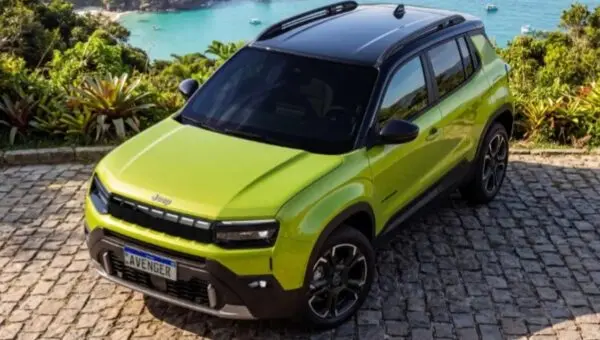 Preço de SUVs compactos da Volkswagen e Jeep empata em 2026
 Aneel zera cobrança de luz para famílias indígenas no país
 Trabalhador consulta número do PIS pelo CPF em oito canaisTrabalhador localiza inscrição do PIS com CPF em oito canais
Mais notícias na Mix Vale
- 1Coleção de Final Fantasy VII custa 77 mil ienes no Japão
- 2Colecionador de Final Fantasy VII custa US$ 500 no Japão
- 3Procura por consoles acelera no Reino Unido com novo trailer
- 4Consoles aceleram no Reino Unido impulsionados por GTA 6
- 5Eleitores fora do domicílio podem pedir voto temporário em 2026
- 6Eleitor fora da cidade pode transferir seção eleitoral
- 7Aneel garante gratuidade de energia para grupos vulneráveis
- 8SUVs compactos travam duelo na faixa de R$ 146 mil
- 9Votos brancos e nulos definem eleições no Brasil sem anular disputa
- 10Votos brancos e nulos definem eleições no Brasil sem anular disputa