
Lucas Jaques de Oliveira lists 6 illnesses linked to pigeons
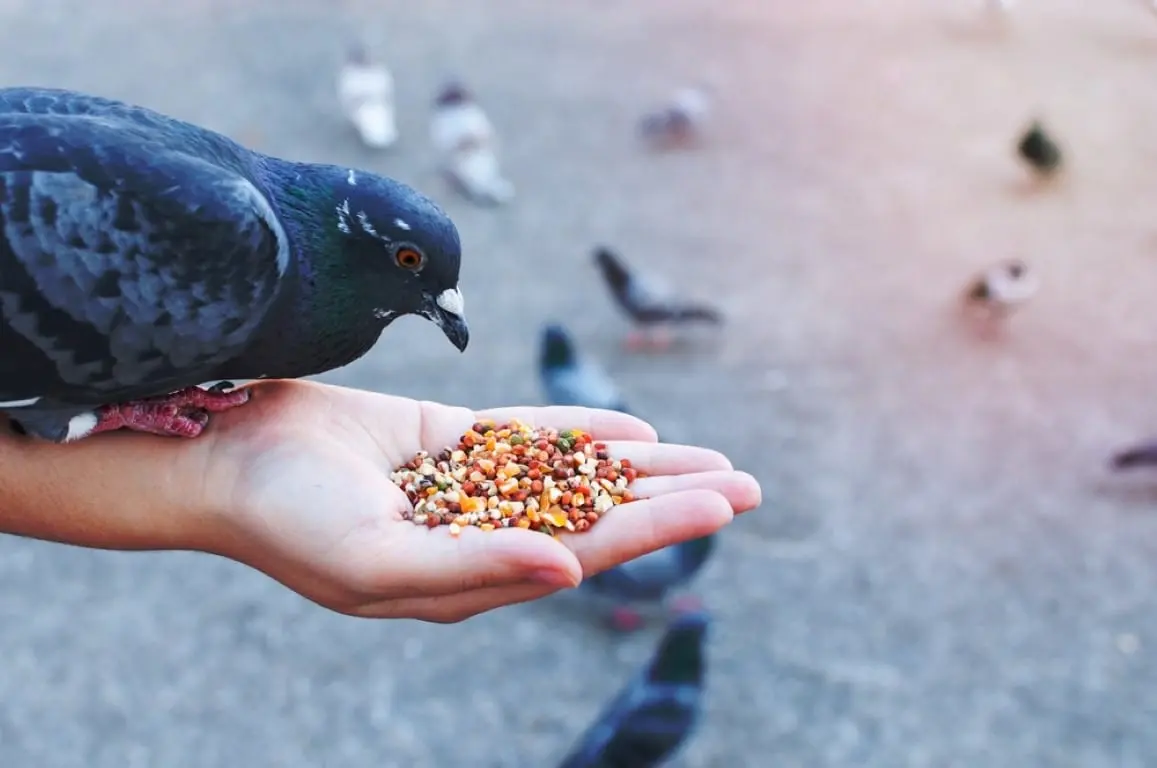
Biologist Lucas Jaques de Oliveira and animal protection advocate Paulo Maia analyzed the public health impact of Columba livia populations across urban centers. City residents routinely describe these birds as airborne pests due to their association with infectious pathogens. Oliveira stated that human behavior drives birds into metropolitan environments by creating artificial feeding grounds. Maia, who serves as president at SOS Aves e Cia, countered that pigeons do not originate any communicable pathology.
Pathogen transmission mechanisms identified in city environments
The risk remains real.
Full coverage: Latest News (EN)
Maia stressed that municipal authorities cannot categorize pigeons as natural pests because no infectious disease originates solely from the species. The animal functions strictly as an intermediary vector comparable to common urban rodents or bats. According to Oliveira, wild specimens search through open garbage bins to secure discarded meals, contaminating waste surfaces whenever they release biological deposits across public spaces.
Accumulated feces foster toxic fungal colonies such as Cryptococcus that trigger severe respiratory and systemic complications in humans. While healthy birds prefer natural diets consisting of whole grains and wild plant seeds, dense urban populations face food scarcity that forces them to consume rotting trash, leading to fecal contamination that dries on public pavements until pedestrian traffic launches airborne microscopic spores directly into human lungs. Oliveira warned that breathing these dry airborne particles transmits dangerous infections to nearby citizens.
Medical complications associated with contaminated fecal dust
Oliveira cataloged specific medical conditions linked directly to exposure to dried droppings left across city plazas:
- Meningitis stands out as the most critical threat because the infection can cause patient death.
- Cryptococcosis attacks the respiratory tract after people inhale fungal particles.
- Histoplasmosis develops from fungal matter harbored in accumulated bird droppings.
- Toxoplasmosis spreads through accidental contact with contaminated environmental waste.
- Dermatological infections and severe allergic reactions emerge upon physical contact.
Maia reiterated that the public must support the birds rather than villainize them, emphasizing that humans generate the discarded waste that sustains large flocks. The organization head noted that zero unique illnesses originate from Columba livia.
Oliveira warned that feeding flocks in public plazas encourages birds to congregate permanently on unwashed city streets. Urban squares lack frequent washing routines, allowing toxic deposits to accumulate where pedestrians walk daily.
More news in Latest News (EN)
See more → USP links 500 ml of daily orange juice to lower blood sugarRyan Reynolds’ ‘brutal’ 1980s view sparks debate with Dr. Drew Pinsky on era’s true natureT-Mobile unleashes unprecedented iPhone 18 Pro and Pro Max deals for new and loyal customers starting September 12thEl-Sayed advocates for youth gender-affirming care amid scrutiny of his medical licensing
 SBEM fixes daily water intake at 35 ml per kilogram in 2026
 Katie Holmes dates contemporary artist Jason Bard Yarmosky
 Brazil records 87,518 stroke deaths as doctors urge fast care
 Covitel records a 90% surge in obesity among youth in Brazil
 Max Planck Institute tracks dopamine shifts from fatty food in March
 T-Mobile charges $5 monthly fee for Apple iPhone Handoff
 Instagram blocks application alerts for 12 hours in quiet mode
 Apple iPhone exposes 7 signs of clandestine WhatsApp usage
More news on Mix Vale
- 1WhatsApp users remove mobile spyware via factory reset in 2026
- 2Hong Kong hits US$ 3.21 a liter to top fuel prices in 2026
- 3Gary Myers dies at 76 after scoring 38 Bowman Gray victories
- 4Morgan Rogers fires Chelsea ahead 1-0 over Hull City in London
- 5Polícia Federal frees 20-year-old captive in Paraná brothel
- 6Tragic Broad Peak avalanche claims Nirmal Purja and Kili Pemba Sherpa, triggering solemn recovery mission
- 7Former president’s remarks on Irish unification challenge decades of US neutrality
- 8Sony defends closed PS Store system in digital pricing case
- 9Meta brings tagged posts and 2000s AI filters to Instagram
- 10NASA ends LINK mission 15 km from Swift after thruster loss