SBEM fixes daily water intake at 35 ml per kilogram in 2026 By Luís Henrique Costa
3 min read
 |
Physicians from the Brazilian Society of Endocrinology and Metabology established daily hydration benchmarks in São Paulo on Tuesday, presenting a mathematical formula to assess individual water requirements. The clinical guidance establishes that an average adult needs 2 liters of water each day, though biological weight, exercise intensity, and sweat rates modify this threshold. Endocrinologist Madson Queiroz de Almeida and geriatrician Mariana Carvalho warned that liquid intake must remain gradual throughout the morning, afternoon, and evening hours. Consuming large volumes at night fails to reverse daytime fluid deprivation.
Calculating fluid requirements through body weight formulas
Specialists calculate personal water targets by multiplying 35 ml by each kilogram of body weight. Under this formula, an individual weighing 55 kilograms must consume at least 1.9 liters of plain water every twenty-four hours.
Daily physical demands shift these baseline numbers substantially for active demographics. Endocrinologist Madson Queiroz de Almeida, who leads the Department of Adrenal and Hypertension at the Brazilian Society of Endocrinology and Metabology, stressed that individuals living in arid regions or performing rigorous athletic training require up to 4 liters of water each day. Conversely, patients diagnosed with severe cardiac dysfunction or specific kidney disorders must restrict their fluid intake to between 1 and 1.5 liters daily under direct clinical monitoring.
Clinical hazards of insufficient fluid intake and water toxicity
The Brazilian Society of Endocrinology and Metabology recorded that hyponatremia develops when excessive water intake lowers blood sodium concentrations below safe thresholds.
Carvalho pointed out that water intoxication produces severe physiological distress. Patients suffering from acute fluid overconsumption develop debilitating headaches, persistent nausea, and sudden cognitive impairment. In extreme medical situations involving compromised systemic filtration, cellular swelling from excess water intake causes death.
Prolonged fluid deprivation generates immediate systemic stress. Thirst signals existing dehydration. Patients experiencing water deficits develop painful constipation, concentrated dark urine with sharp odors, and recurring kidney stones.
Physical advantages linked to daily cellular hydration
Physicians emphasize that clean water provides physiological effects that commercial beverages cannot replicate. Soda, packaged juices, and sweetened infusions cannot substitute for plain water during daily hydration routines. Almeida noted that patients who struggle with plain water may consume water infused with fresh fruit slices or carbonation to facilitate palatability without sabotaging metabolic balance. Geriatrician Mariana Carvalho emphasized that aging diminishes neurological thirst perception, leaving elderly populations vulnerable to involuntary chronic dehydration.
- Regulates internal body temperature across changing thermal environments
- Hydrates dermal tissue to sustain external skin elasticity
- Preserves baseline volume of intracellular and extracellular fluids
- Lubricates skeletal joints to reduce structural friction
- Optimizes metabolic processing within intestinal and renal pathways
- Purges toxic metabolic residues through regular urinary excretion
Regular fluid intake supports cardiovascular stabilization and waste clearance. Proper hydration ensures that organ systems maintain cellular transport without overworking kidney tissue.
Behavioral techniques to establish consistent drinking routines
Patients who regularly forget to drink fluids must integrate mechanical tracking methods into their daily schedules. Carvalho advises patients to carry physical containers throughout working hours because measuring liquid intake creates accountability. What you cannot measure, you cannot quantify or qualify, Carvalho stated, adding that measuring bottles police, encourage, and monitor actual consumption.
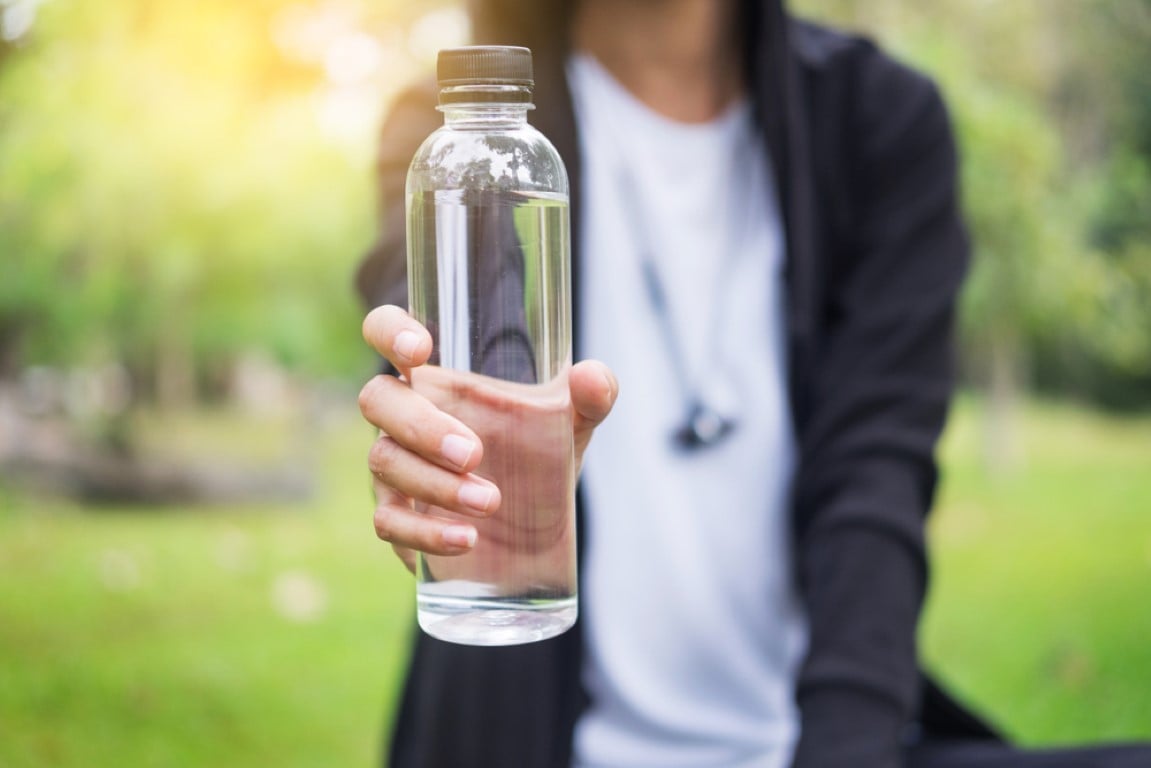
Commercial markets responded to hydration trends by distributing graduated plastic bottles featuring motivational time markers. Retail platforms across Brazil sell these branded bottles at prices ranging from R$ 10 to more than R$ 100 depending on construction materials and capacity.
Shoppers seeking practical alternatives avoid expensive merchandise by utilizing basic commercial packaging. A standard 500 ml plastic mineral water bottle costing R$ 2 at local grocery stores serves as an accessible volumetric measuring tool throughout working hours. Users refill the container three to four times across the day to reach baseline volumetric goals without financial strain.
Adults also sustain steady intake by linking water consumption to existing behavioral milestones. Practical routines include drinking two full glasses immediately upon waking up, consuming water after main meals, taking a deliberate sip following a cup of coffee, and programming recurring hourly alerts on smartphones or digital wristwatches.