USP links 500 ml of daily orange juice to lower blood sugar By Luís Henrique Costa
2 min read
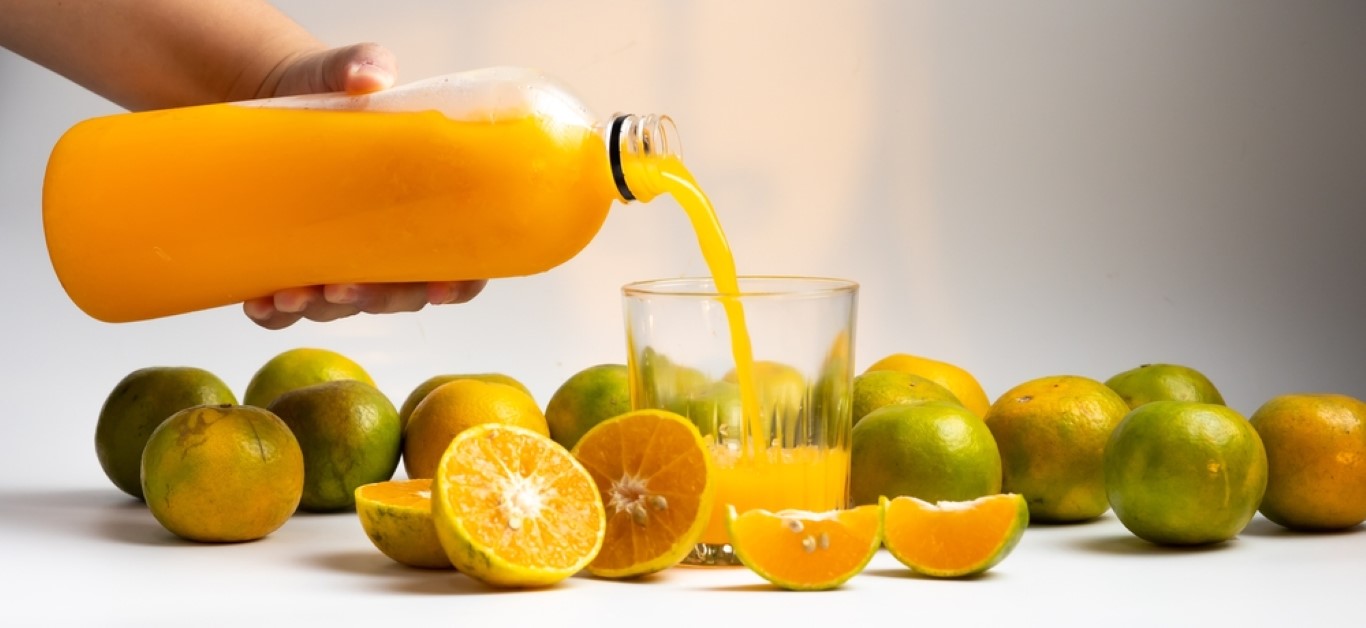 |
Researchers at the Food Research Center within the Universidade de São Paulo determined that drinking 100% whole pasteurized orange juice without added sugar or water produces measurable cardiovascular and metabolic improvements over two months. The investigative team tracked clinical trials in Brazil to record how specific daily doses of citrus influence blood pressure, glycemic indicators, and gut microbiota.
Clinical trials confirm metabolic benefits from daily consumption
Study participants consumed doses of 300, 400, or 500 milliliters each day alongside their normal meals across an observation period lasting up to two months. Layanne Fraga, a researcher at the Food Research Center participating in the fruit study group, reported that all three administered volume levels yielded positive clinical indicators across the volunteer groups. The trials demonstrated that daily ingestion created no registered weight gain among subjects, confirming that the natural sugars inside whole citrus juice do not induce obesity when integrated into balanced dietary routines.
Universidade de São Paulo trials documented direct physiological improvements in both healthy volunteers and individuals presenting preliminary metabolic risks.
- Improves intestinal microbiota balance in patients diagnosed with obesity
- Reduces circulating blood glucose measurements in prediabetic individuals
- Lowers systolic and diastolic blood pressure markers in prehypertensive adults
- Suppresses systemic inflammation markers across diverse bodily tissues
During the trial phase, investigators confirmed that consuming whole juice during standard meal times helped control postprandial glycemic spikes while subjects ingested 300 to 500 milliliters of pasteurized citrus juice across sixty days without experiencing increases in body weight or adipose tissue. Juice prevented weight gain.
Agricultural grafting shields commercial groves from recurrent pests
Brazilian citrus groves supply three out of every five glasses of orange juice consumed around the world, based on industry metrics released by CitrusBR. Commercial citrus producers merge two mature plant segments through grafting techniques to protect trees against adverse climate shocks and soil-borne pathogens. The orange tree withstands a new agricultural disease approximately every ten years, requiring growers to shorten the juvenile phase of the plant through propagation methods to guarantee steady yields.
Botanical classifications separate commercial citrus fruits into distinct species that differ substantially from genuine lemons. Eduardo Sanches Stuchi, an agricultural researcher at Embrapa, explained that Citrus limon represents the authentic lemon species, commonly designated as the Sicilian lemon due to its extensive historical cultivation in Italy.
The common Tahiti lime, recognized by its round shape, green peel, and seedless interior, is classified as an acid lime rather than a true lemon. This lime variety derives from genetic crosses between the Galego lime and the Sicilian lemon, while the Brazilian Rangpur lime emerged through hybridization between an acid lime and a mandarin orange. Consumers opting for homemade preparations retain these nutritional qualities by extracting fresh fruit juice without adding refined table sugar.