

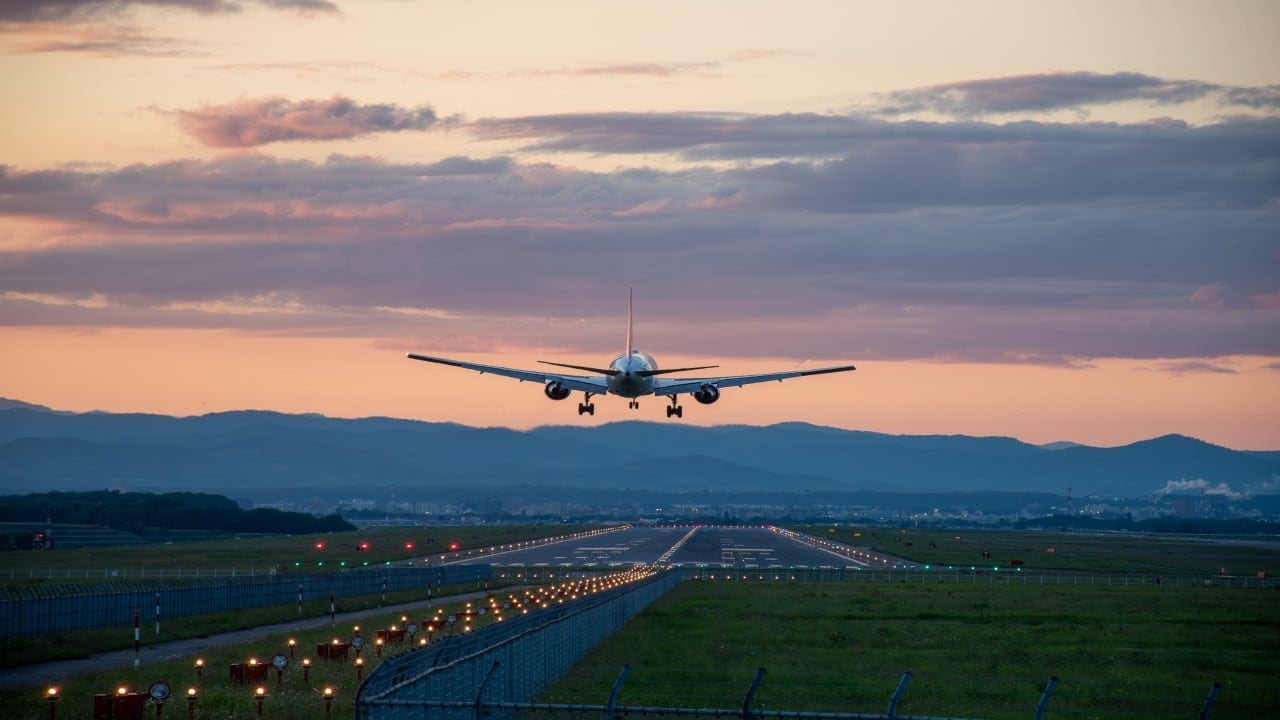
The Orlando International Airport (MCO) is preparing for the impact of Hurricane Milton, a powerful Category 5 storm, by announcing a temporary suspension of all operations. The decision comes as the storm approaches the central Florida region, bringing with it potentially life-threatening conditions, including high winds, heavy rainfall, and possible flooding.
Critical Preparations Underway
As Hurricane Milton advances toward the eastern coast of the United States, officials at the Orlando International Airport have moved swiftly to ensure the safety of passengers and staff. The airport’s management, in coordination with local and federal authorities, made the decision to halt all commercial and private flights beginning on Wednesday morning, October 9. This move is part of broader efforts to minimize the risk to travelers and allow personnel to secure the facilities.
The airport’s suspension of operations is expected to remain in place until the storm passes, though it may be extended depending on the severity of the aftermath. Flight schedules will be reevaluated as soon as conditions are deemed safe for air traffic to resume.
Impact on Passengers
The suspension of operations at one of the busiest airports in the United States will affect thousands of passengers. Airlines have begun notifying customers of cancellations and delays, and many travelers are advised to monitor updates and make alternative arrangements if necessary.
Passengers with flights scheduled between October 9 and 10 are encouraged to check with their airlines for the most recent information regarding their flights. Rebooking and refund policies have been put in place by major airlines to accommodate those affected by the storm.
Authorities’ Response
Florida state officials have been working in close collaboration with the Federal Aviation Administration (FAA), the National Weather Service (NWS), and local emergency response teams to monitor the hurricane’s progress. The state’s governor has declared a state of emergency, urging residents to stay indoors and follow evacuation orders if necessary.
Orlando International Airport is not the only transportation hub taking preventive measures. Ports, bus services, and railway systems in the region are also preparing for the storm’s arrival, with many suspending or reducing operations to ensure public safety.
Hurricane Milton’s Path and Potential Dangers
Meteorologists have described Hurricane Milton as one of the strongest storms in recent years, with wind speeds exceeding 155 mph (250 km/h). The storm is expected to make landfall along Florida’s eastern coast before moving northward, affecting parts of Georgia and the Carolinas.
The greatest concerns for central Florida include the risk of extensive flooding, power outages, and structural damage caused by high winds. The National Hurricane Center has issued hurricane warnings across large portions of Florida, advising residents to complete all necessary storm preparations as quickly as possible.
Emergency Response Measures
In anticipation of the hurricane’s impact, local governments have opened shelters for residents in flood-prone areas. The Federal Emergency Management Agency (FEMA) has already begun deploying resources, including emergency supplies and rescue teams, to assist in the recovery efforts after the storm.
Previous Incidents and Lessons Learned
Orlando International Airport has faced similar challenges in the past during previous hurricane seasons. In 2017, Hurricane Irma led to the temporary closure of the airport, causing widespread disruptions in travel plans. Lessons learned from that experience have influenced the current response, with officials taking a proactive stance to ensure that safety remains the top priority.
Airport staff and local authorities have stressed the importance of adhering to evacuation orders and travel advisories. Past experiences have demonstrated that preparing for the worst-case scenario can help mitigate the damage and reduce the number of casualties in the aftermath of such devastating natural events.
Airlines’ Contingency Plans
Major airlines operating out of Orlando, including domestic and international carriers, have activated contingency plans. These include increasing the frequency of updates to passengers and working closely with airport authorities to coordinate the suspension of flights.
While the storm’s exact path remains somewhat unpredictable, airlines are taking no chances. Most have already canceled flights to and from Orlando for the next 48 hours, with more cancellations expected as the storm’s trajectory becomes clearer.
Economic Impact
The temporary closure of Orlando International Airport is expected to have significant economic repercussions, especially for Florida’s tourism sector. As one of the main gateways to world-famous attractions such as Walt Disney World and Universal Studios, Orlando sees millions of visitors each year. The disruption caused by Hurricane Milton is likely to affect tourism revenue, with many travelers postponing or canceling their trips to the region.
Local businesses, including hotels, restaurants, and transportation services, are bracing for a slowdown in activity. Many have already reported a wave of cancellations as visitors seek to avoid the dangers associated with the approaching hurricane.
Looking Ahead
Although the exact extent of Hurricane Milton’s impact remains uncertain, officials have urged residents and travelers alike to prioritize their safety above all else. Once the storm passes, recovery efforts will commence in earnest, with a focus on restoring normal operations at Orlando International Airport and other vital infrastructure as quickly as possible.
For now, the primary focus remains on weathering the storm. With advanced warnings in place and a coordinated response from local, state, and federal authorities, Florida is doing everything possible to minimize the potential damage from one of the most powerful hurricanes in recent memory.