

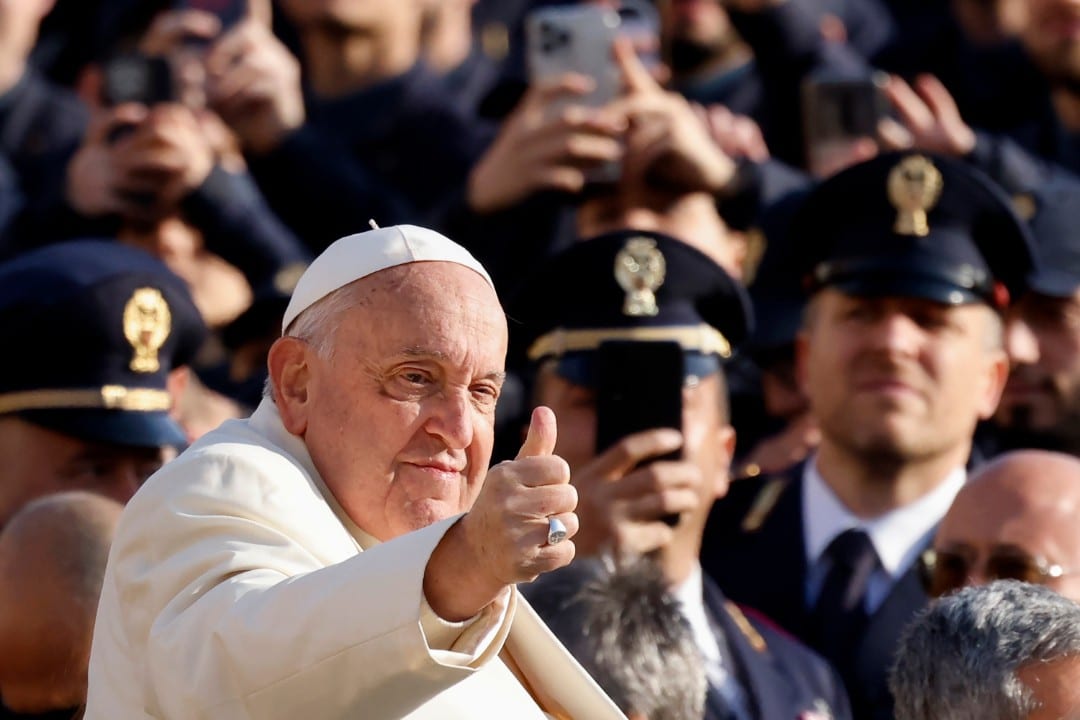
Pope Francis, at 88 years old, is facing his longest hospital stay since becoming the leader of the Catholic Church in 2013. Admitted to the Gemelli Hospital in Rome on February 14, 2025, the Pope was diagnosed with bilateral pneumonia, raising global concerns among believers and religious leaders. Despite his delicate health condition, Francis has shown resilience by continuing his papal duties from the hospital, signing decrees and processing official documents. Among his most recent decisions is the signing of a canonization decree recognizing new saints in the Catholic Church, including Venezuelan doctor José Gregorio Hernández, known as the “Doctor of the Poor.”
The canonization of Hernández is a significant event for Latin American Catholics, reinforcing Pope Francis’ commitment to honoring figures who devoted their lives to humanitarian service. In addition to this decision, the Pope has approved other canonizations and held private meetings with cardinals and Vatican officials to discuss the Church’s administrative matters. Despite his health struggles, Francis remains actively engaged, reaffirming his dedication as a religious leader and head of state.
Pope Francis’ extended hospitalization raises questions about his ability to continue leading the Catholic Church in the long term. Although this is not the first time he has faced health complications, this hospitalization has been his longest and most serious. Meanwhile, Catholics worldwide follow his condition closely, holding prayer vigils and masses for his recovery.
Pope Francis’ medical history and health challenges
Since the beginning of his papacy, Pope Francis has faced various health issues. He has lived for decades with only one functional lung after part of the other was removed due to a severe respiratory infection in his youth. In 2021, he underwent intestinal surgery to treat diverticular stenosis, which involved the removal of part of his colon. Additionally, he suffers from chronic knee problems, which frequently force him to use a wheelchair during public events and meetings.
With a medical history that includes respiratory complications and major surgeries, his current hospitalization is seen as one of the most critical moments of his papacy. Medical experts following his case state that bilateral pneumonia, especially in elderly patients, can pose significant risks, requiring constant monitoring. Vatican reports indicate that the Pope has been responding well to treatment and showing signs of improvement, but his condition remains serious.
Francis’ recovery is being monitored by a specialized medical team at the Gemelli Hospital, a facility traditionally used for papal healthcare. The Vatican has been issuing periodic updates to inform the Catholic community and international media about his clinical status.
Canonization of José Gregorio Hernández and its impact on Catholic faith
The decree signed by Pope Francis formalizes the canonization of José Gregorio Hernández, a highly venerated figure in Venezuela and other Latin American countries. A doctor and university professor, Hernández dedicated his life to providing free medical care to the poor, earning him the title of “Doctor of the Poor.” His beatification took place in 2021 after the recognition of a miracle attributed to his intercession.
The canonization of Hernández is particularly significant for the Catholic community in Venezuela, a country that has faced economic and political crises for years. Devotion to him has grown steadily over time, especially among those seeking hope in difficult social conditions. The canonization ceremony, yet to be scheduled, is expected to attract thousands of faithful and ecclesiastical authorities to Rome.
Other canonizations approved by Pope Francis also reflect his effort to recognize individuals who have had a profound social and spiritual impact. The Pope has prioritized the canonization of people who dedicated their lives to serving the needy, highlighting his pastoral vision centered on inclusion and mercy.
International reactions to the Pope’s health condition
Pope Francis’ prolonged hospitalization has drawn reactions from around the world. Religious leaders, politicians, and heads of state have sent messages of solidarity, acknowledging his commitment to peace and interfaith dialogue. Among the notable figures expressing support are Italian President Sergio Mattarella and leaders from Orthodox and Protestant Christian communities.
In Argentina, the Pope’s home country, churches and cathedrals have organized special masses and prayer gatherings for his recovery. The Archbishop of Buenos Aires, Jorge García Cuerva, stated that Francis is a key figure for Church unity and for defending the rights of the most vulnerable.
Social media has also been flooded with messages of support for the Pope, with hashtags such as #PrayForFrancis gaining traction. Thousands of faithful have gathered in St. Peter’s Square in the Vatican, lighting candles and holding signs with encouraging messages for the Holy Father.
Challenges facing the Catholic Church due to Pope’s health
The fragility of Pope Francis’ health raises questions about the future leadership of the Catholic Church. Although the Pope has previously stated that he does not intend to resign, his medical condition may require a reassessment. Francis himself has mentioned in the past that having retired Popes could become more common, following the precedent set by Benedict XVI, who stepped down in 2013 due to health reasons.
The College of Cardinals is closely monitoring the situation, and if the Pope is unable to continue his duties, a process to determine his succession may begin. However, for now, Francis remains in charge, showing a willingness to continue his mission.
Key moments of Pope Francis’ hospitalization
- February 14, 2025: Pope Francis is admitted to Gemelli Hospital in Rome after experiencing respiratory difficulties. Bilateral pneumonia is confirmed.
- February 16, 2025: The Vatican reports that the Pope is responding well to treatment but will remain under observation.
- February 20, 2025: Francis signs canonization decrees from the hospital, including that of José Gregorio Hernández.
- February 22, 2025: Medical team reports improvement in his condition but stresses the need for ongoing monitoring.
- February 25, 2025: Prayer vigils and special masses are held worldwide for the Pope’s recovery.
Impact of papal decisions on the Catholic Church
Pope Francis’ decision to continue his duties despite being hospitalized highlights his commitment to the Church. The signing of canonization decrees serves as an example of how he seeks to maintain both the administrative and spiritual functions of the Vatican.
The Catholic Church continues to face global challenges, including humanitarian crises, geopolitical conflicts, and internal changes. Francis’ papacy has been marked by his ongoing efforts to modernize the Church, bring it closer to the faithful, and implement internal reforms.
As the Pope’s recovery progresses, the Catholic community remains focused on Vatican updates. The future of papal leadership, upcoming canonizations, and administrative measures taken during his hospitalization remain key points of interest for the Church and its followers.